“Beyond the Catch, The Depth and Integrity of Thai Seafood at Paii”
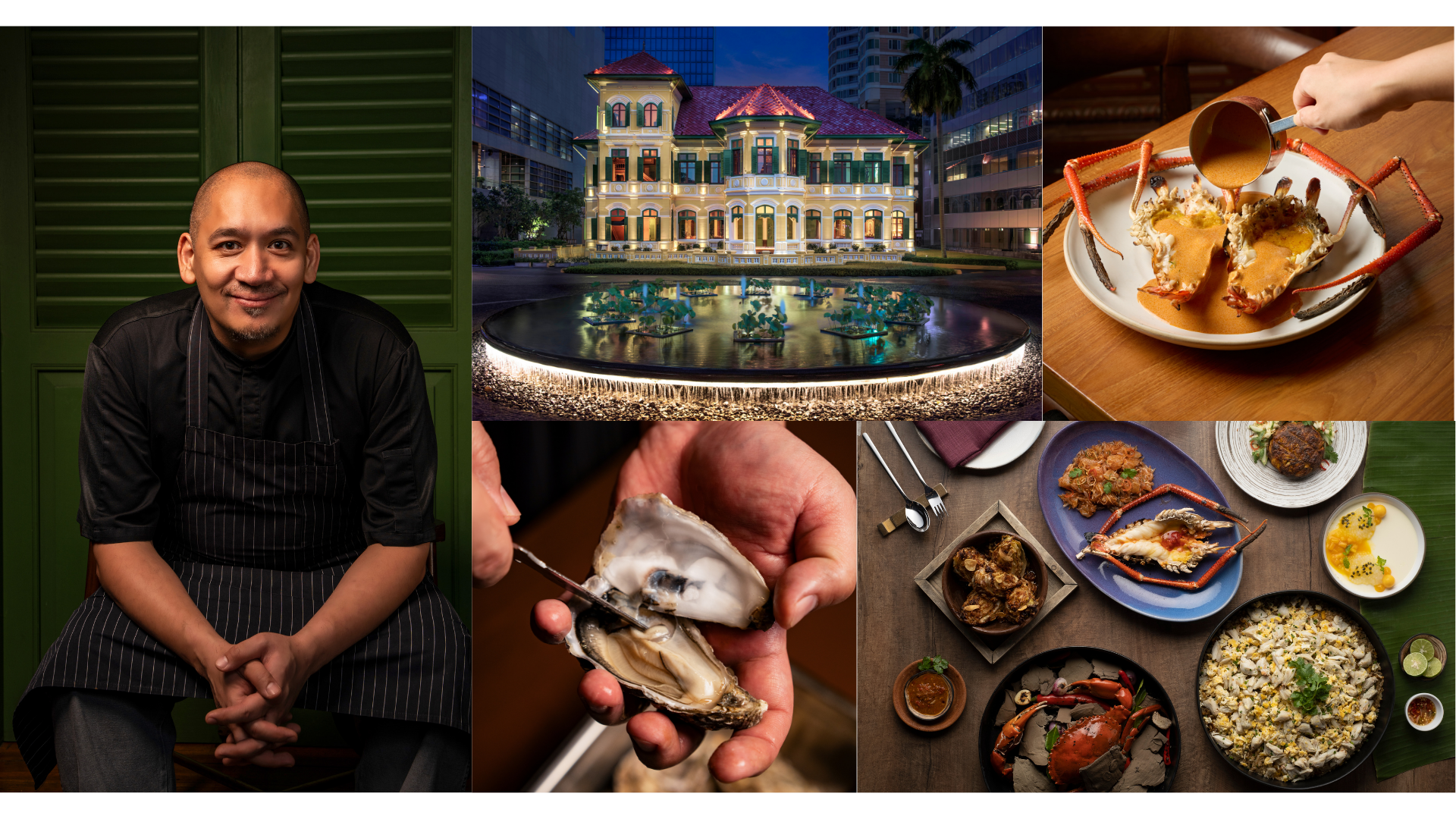
In an era where Thai cuisine is gaining global recognition, Paii isn’t just following the movement—it’s setting the tone for a new chapter. A chapter where tradition is not forgotten, but instead, reimagined with contemporary techniques, mindful sourcing, and deep respect for flavor and culture. At Paii, the mission is clear: to bridge the past and the present in a way that honors the soul of Thai food while inviting a fresh perspective.
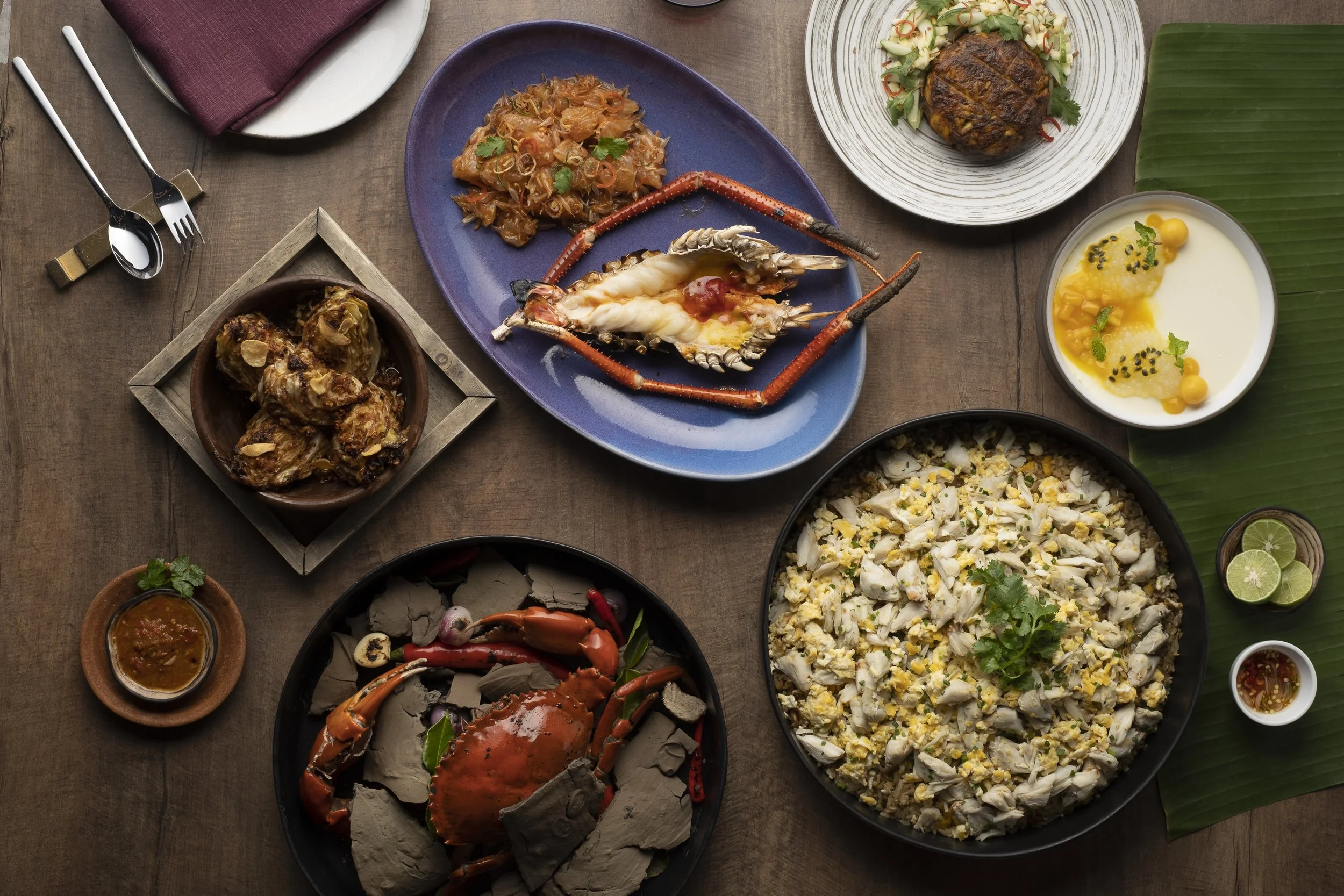
You’ve cooked in many kitchens, but here at Paii you’re building something lasting. What do you hope Paii stands for in the story of Thai cuisine today?
At Paii, I hope we stand for a new chapter in the story of Thai cuisine one that bridges tradition and modernity. We want to show that Thai food can evolve and grow without losing its soul. By combining contemporary techniques with authentic flavors and cultural roots, Paii represents how Thai cuisine can be both respectful of its heritage and relevant to today’s diners.
Our aim is to elevate Thai food to the next level, making it more refined and accessible while staying true to its communal, sharing nature. I want Paii to be known as a place that honors Thai culinary traditions but isn’t afraid to innovate, helping Thai cuisine continue to shine both in Thailand and global.
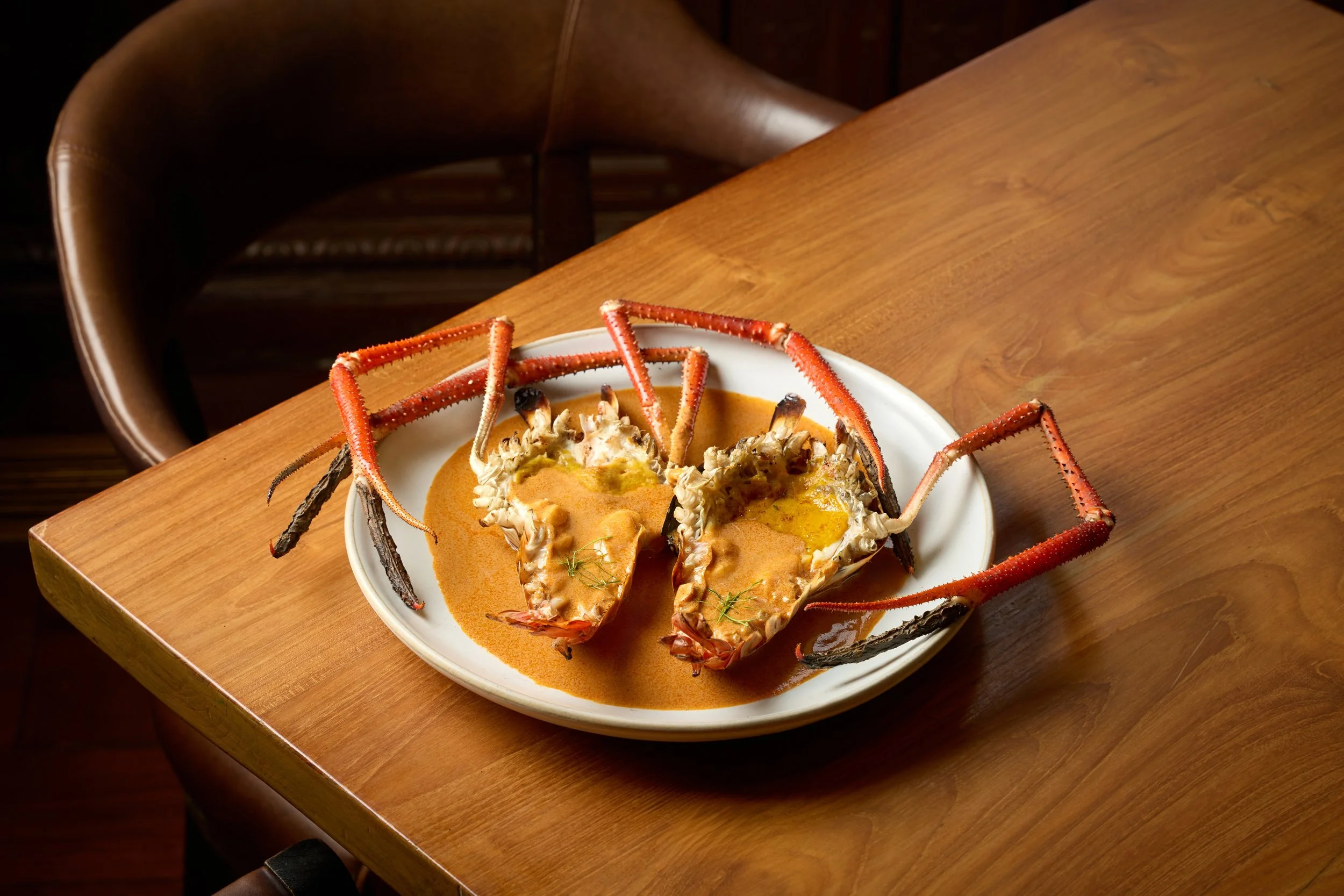
Do you remember the first time you successfully cooked seafood as a young chef? What did that moment teach you?
I remember how much care and dedication it took to cook seafood properly for the first time. It’s not just about cooking it. It has to be perfectly done, just right. In general, people often cook fish or seafood until it’s fully done, but that often results in overcooking. The truth is, seafood needs to be cooked to a precise point where it’s tender and juicy, not tough or dry.
At first, I made mistakes — overcooking prawn or fish, which made them tough. Sometimes prawn would be overcooked while the head was still raw, or fish would be undercooked for some guests. It was a learning process to find the middle ground where the seafood is cooked perfectly enough to please all palates. That experience taught me how crucial precision, care, and understanding of the ingredient truly are.
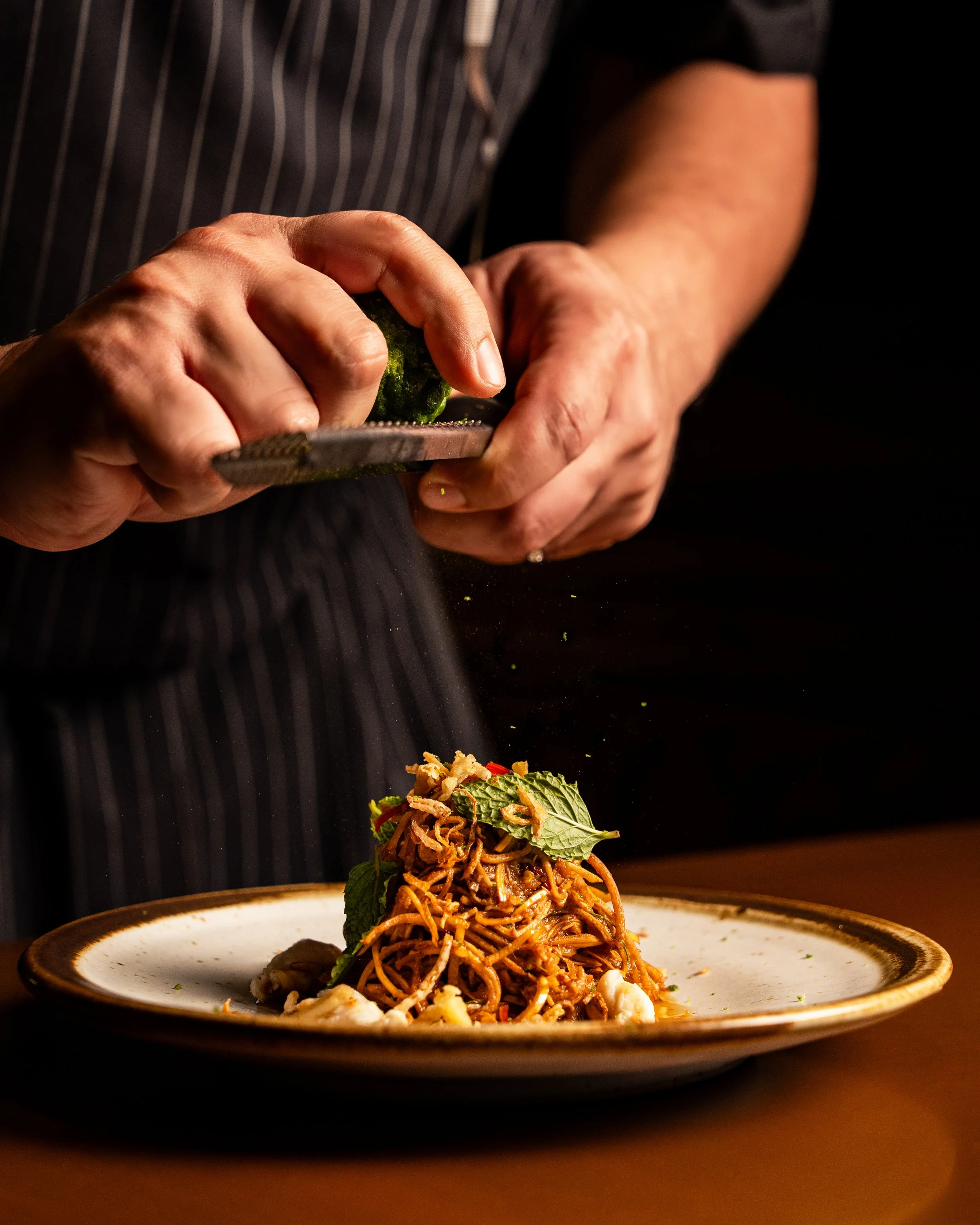
What do you say is special about Thai cuisine, and how do you retain the soul of Thai food without compromising on its character?
What makes Thai cuisine truly special is its incredible balance of flavors including sour, sweet, spicy, salty, bitter, and umami all come together harmoniously in one dish. Compared to many other cuisines, Thai food offers a complete sensory experience with layers of aroma, texture, and taste that create a complex yet perfectly balanced profile. The natural fragrances and the combination of fresh herbs and spices add unique dimensions that set it apart.
To retain the soul of Thai food without compromising its character, it’s essential to understand the core flavors and traditions behind each dish. For example, when making green curry, you must know exactly how it should taste and smell, where the aroma comes from, how the flavors interact, and what the essential ingredients bring to the dish. There is a basic flavor memory people have, should taste, and it’s important to preserve that authenticity.
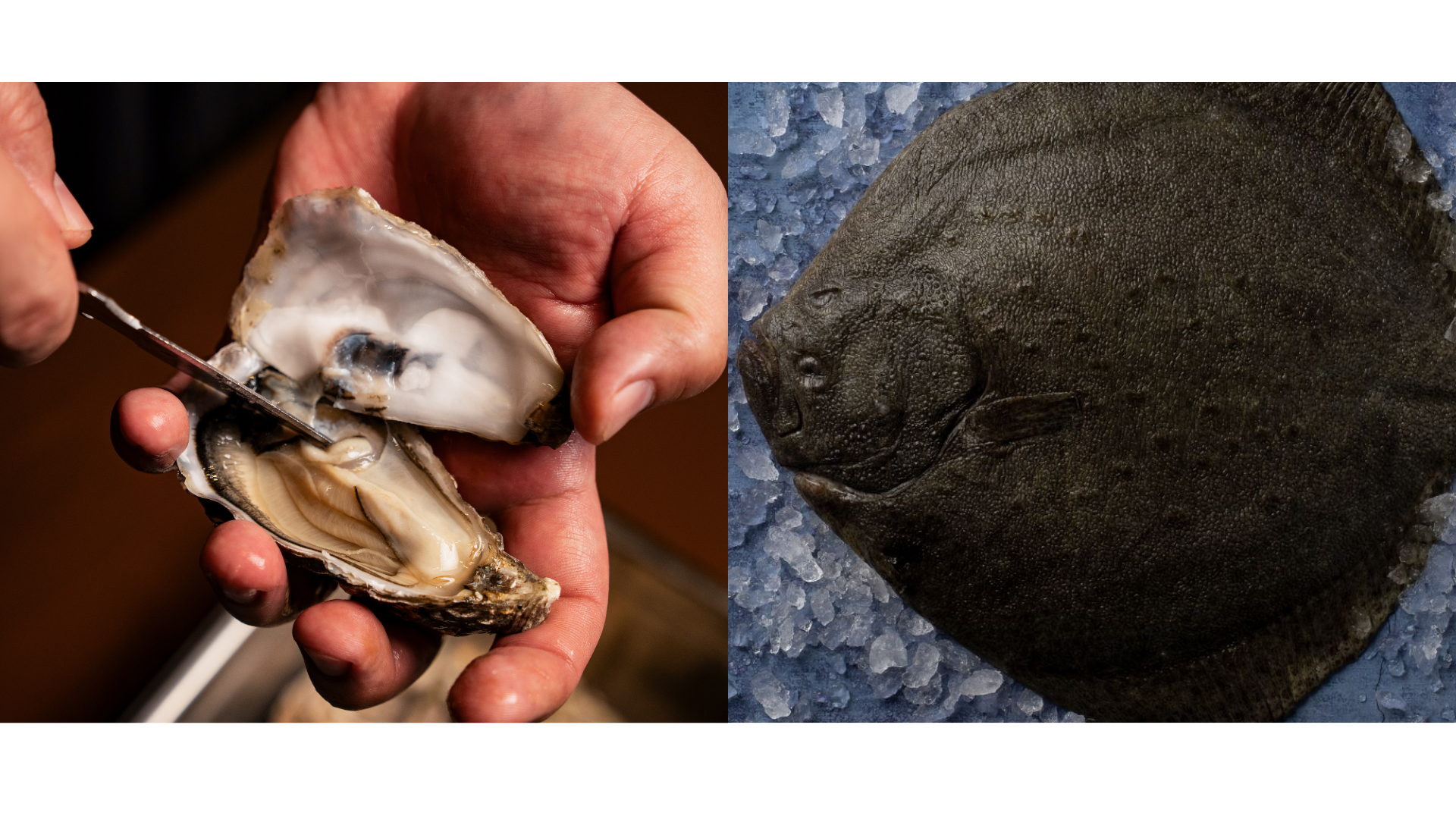
Seafood is deeply seasonal and sensitive—how has working with it shaped your awareness of nature’s cycles and limits?
Working with seafood has deeply shaped my awareness of nature’s cycles and the delicate balance required to sustain them. At Paii, we prioritize using local and sustainable ingredients, partly to reduce our carbon footprint and support local producers. This approach creates a more circular and responsible food system, rather than relying heavily on imported ingredients, which is a growing trend in the culinary world.
Seafood is fragile and demands strict care from cleanliness and checking water quality to constantly monitoring freshness. We cannot just receive seafood and cook it immediately. It requires ongoing attention to maintain its quality. Every ingredient must be preserved carefully before it is served to guests. Seasonality plays a crucial role in how we work with seafood. For example, during certain times of the year, river prawns or tiger prawns are abundant. But when demand is high, the prawns may be smaller reflecting the natural cycle where growth can’t keep up with consumption. It reminds me that seafood is a living resource that can be depleted if not respected.
This awareness of nature’s limits and cycles is a constant lesson and challenge, but it elevates the food we serve and our responsibility as chefs.
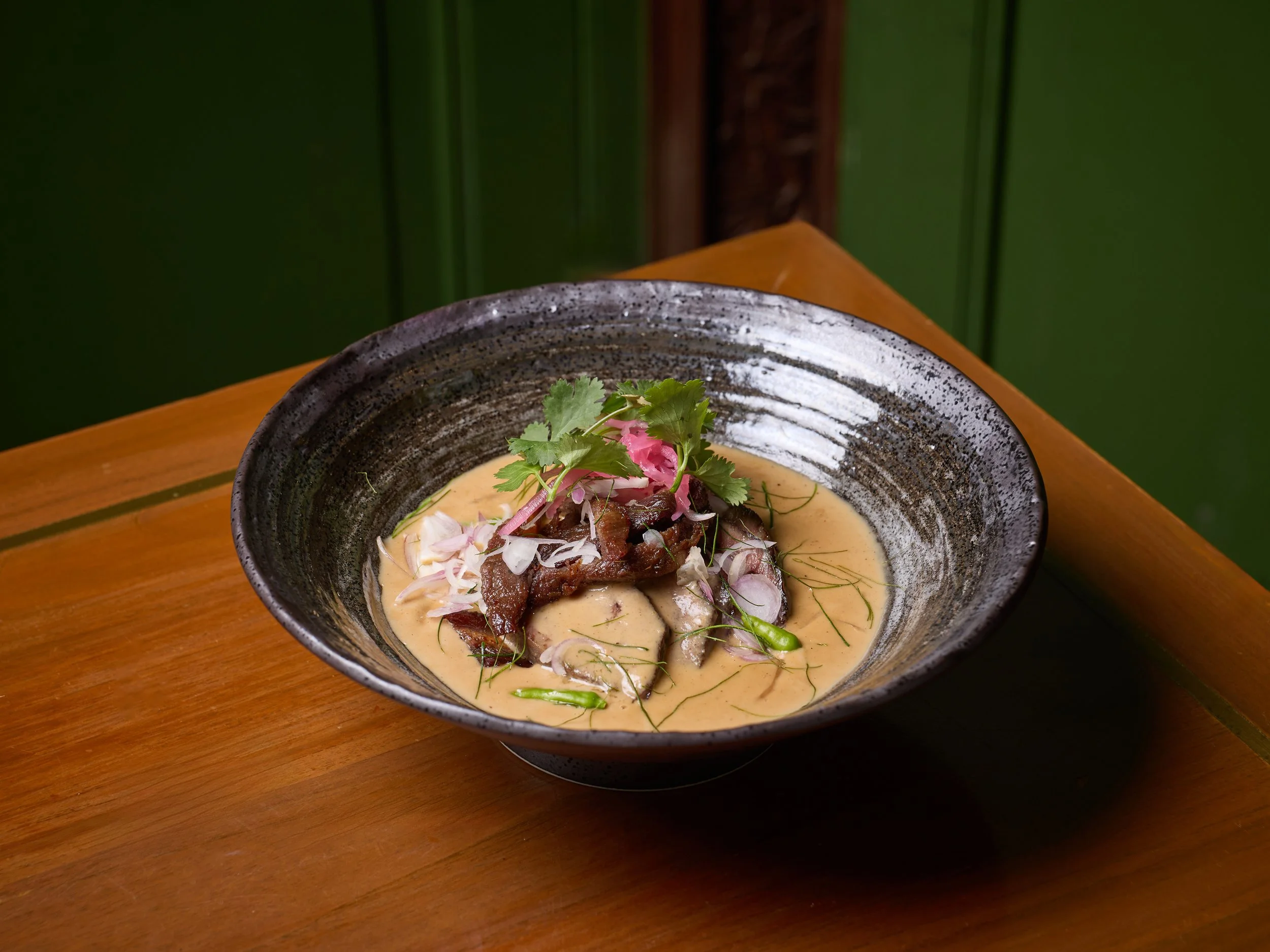
Which dish at Paii that feels like a “signature,” that speaks most to who you are as a chef?
The dish that I feel is truly my signature at Paii is the Tom Kati Nuea Khem — a rich coconut milk stew with salted beef. I love beef, and this dish brings together three different textures of beef, creating a complexity that’s both original and unique. Traditionally, the dish uses just sun-dried beef, but I’ve chosen to elevate it by combining three parts: smoked brisket, slow-cooked beef cheek, and sun-dried beef. The smoked brisket reflects my experience with Western smoking techniques, adding a deep smoky flavor. The beef cheek is slow-cooked sous-vide, gently cooked in a water to preserve its tenderness and nutritional value, resulting in a soft, melt-in-your-mouth texture. The sun-dried beef is dry deep-fried to add a crispy element. Together, these textures create a layered, complex dish with rich flavors and varied mouthfeel.
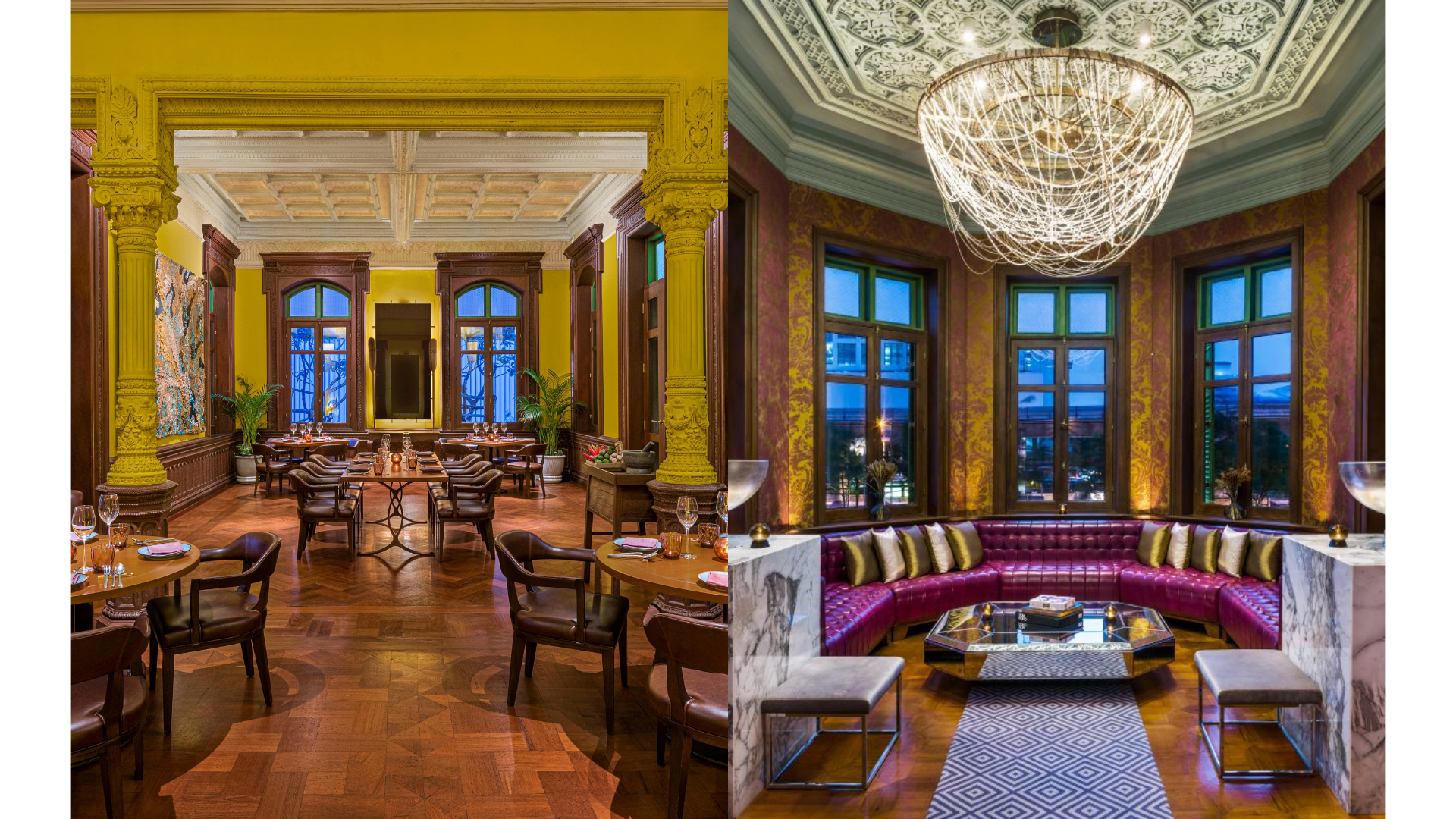
In cooking Thai food inside a European-style mansion, do you ever feel like you’re bridging two worlds? What tension or harmony do you find between setting and cuisine?
At Paii, cooking Thai food inside a European-style mansion feels like bridging two worlds. We use Western culinary techniques to elevate Thai cuisine, but always keep Thai flavors at the forefront. Rather than recreating traditional Thai dishes exactly as they’ve always been, we blend Western methods with Thai ingredients and tastes, creating a “half-and-half” style that reflects both cultures.

From the outside, Paii looks like a traditional Thai restaurant, but what we serve is a thoughtful, modern twist on Thai cuisine. For example, we incorporate imported ingredients like Hokkaido scallops, yet prepare and present them in ways that clearly express Thai identity and flavor. Our menu showcases this approach, designed to meet contemporary culinary expectations while respecting Thai roots.
This harmony between setting and cuisine mirrors the restaurant itself. At first glance, the building doesn’t resemble a traditional Thai house, but those familiar can recognize artistic influences from different cultures. Similarly, our food may seem different from typical Thai dishes, yet it honors the essence of Thai cooking through technique.
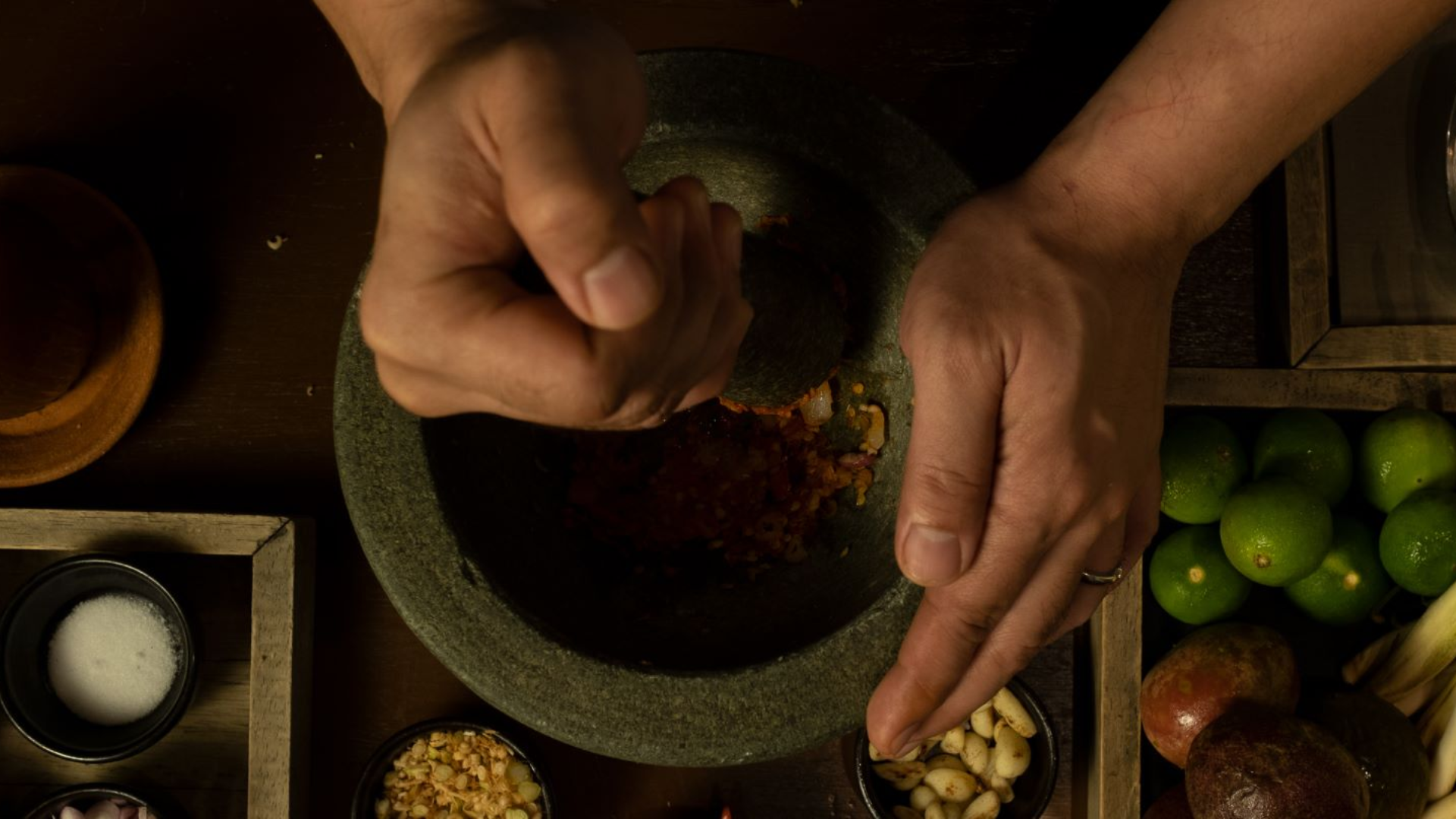
What part of Thai culture do you hope to pass on to future generations of chefs and diners?
One of the most important parts of Thai culture I hope to pass on is the care and attention that come from using traditional tools like charcoal stoves and mortar and pestle. While modern kitchens often replace mortars with blenders and charcoal with gas or electric stoves, much of Thai food’s authentic flavor comes from these simple. For example, pounding spices in a mortar gently releases their essential oils at a cool temperature, preserving their rich aroma, whereas blending generates heat that can diminish the delicate flavor. Though similar tools, they create very different results. It’s this mindful, patient technique that preserves the soul of Thai cuisine. I want future chefs to remember the importance of intention and care in cooking. Even in today’s fast-paced world, where everything moves quickly, that attention to detail and heartfelt dedication should never be lost.
As a chef, my goal is to create dishes that bring happiness and satisfaction. I want people to truly enjoy their food and feel a deep sense of joy from the experience. That connection between chef and guest sharing a joyful moment through food is what makes this work so meaningful. In the end, I hope to pass on respect for tradition, care in preparation, and the joy of sharing food made with heart. That is the true spirit of Thai cuisine to me.