Liana, The Creative DialogueShaping Modern Seasonal Dining in Talad Noi
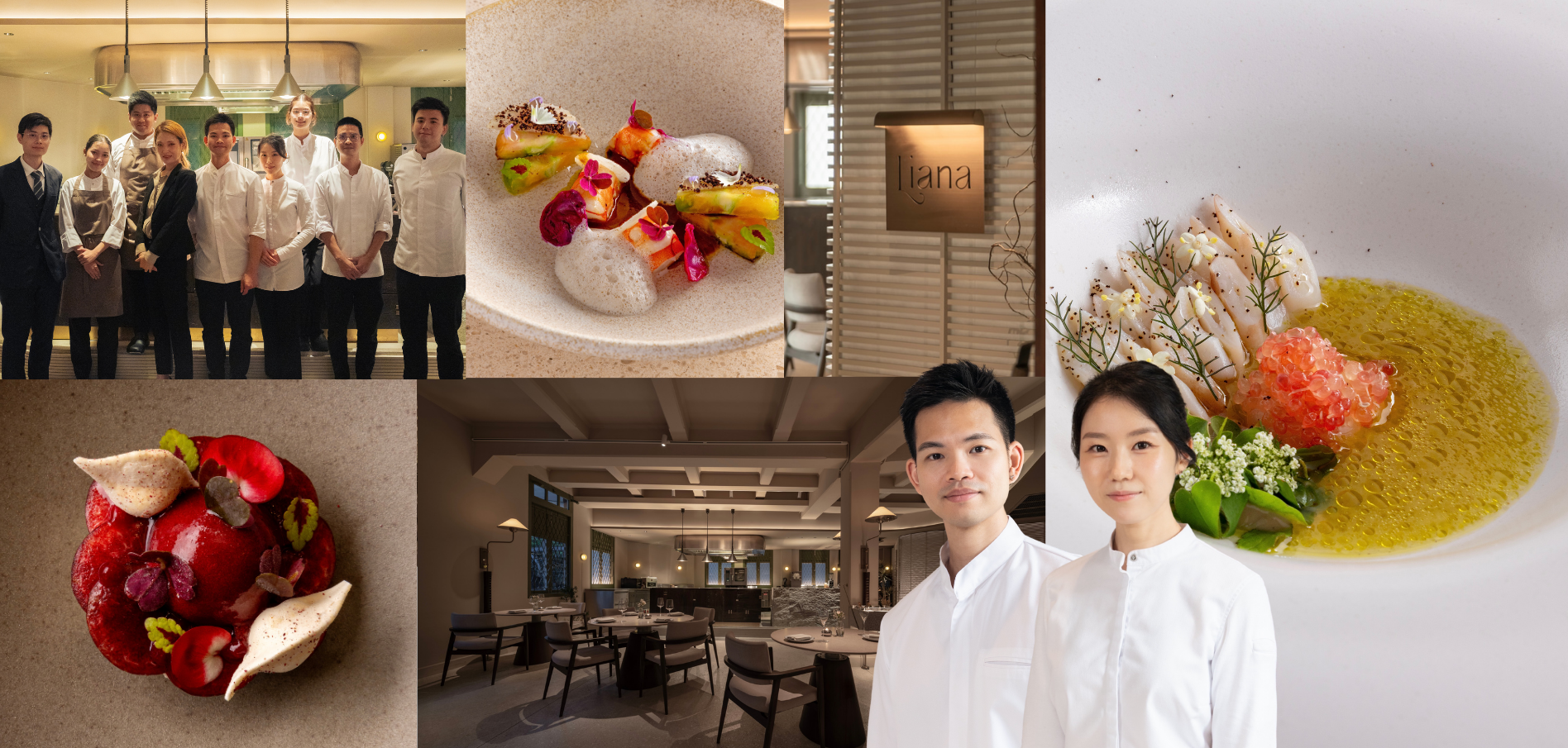
Set within the restored walls of The Corner House stands Liana, modern seasonal dining that is a reflection of two intertwined lives. Led by Chef Warat “Bic” Areerom and Chef Soohyun Lee, the husband-and-wife duo converge their journeys into an experience that feels quietly revolutionary.
After years in London’s Michelin-starred scene, what began as a shared pursuit of perfection has grown into a dialogue of identity. The couple returned to Bangkok to create a space rooted in a shared language of craft and a deep respect for the ingredients of this land. In this Q&A, Chef Bic and Chef Soohyun open up about their life together in the kitchen, their evolving sense of home, and how a century-old building has become the stage for their next chapter.
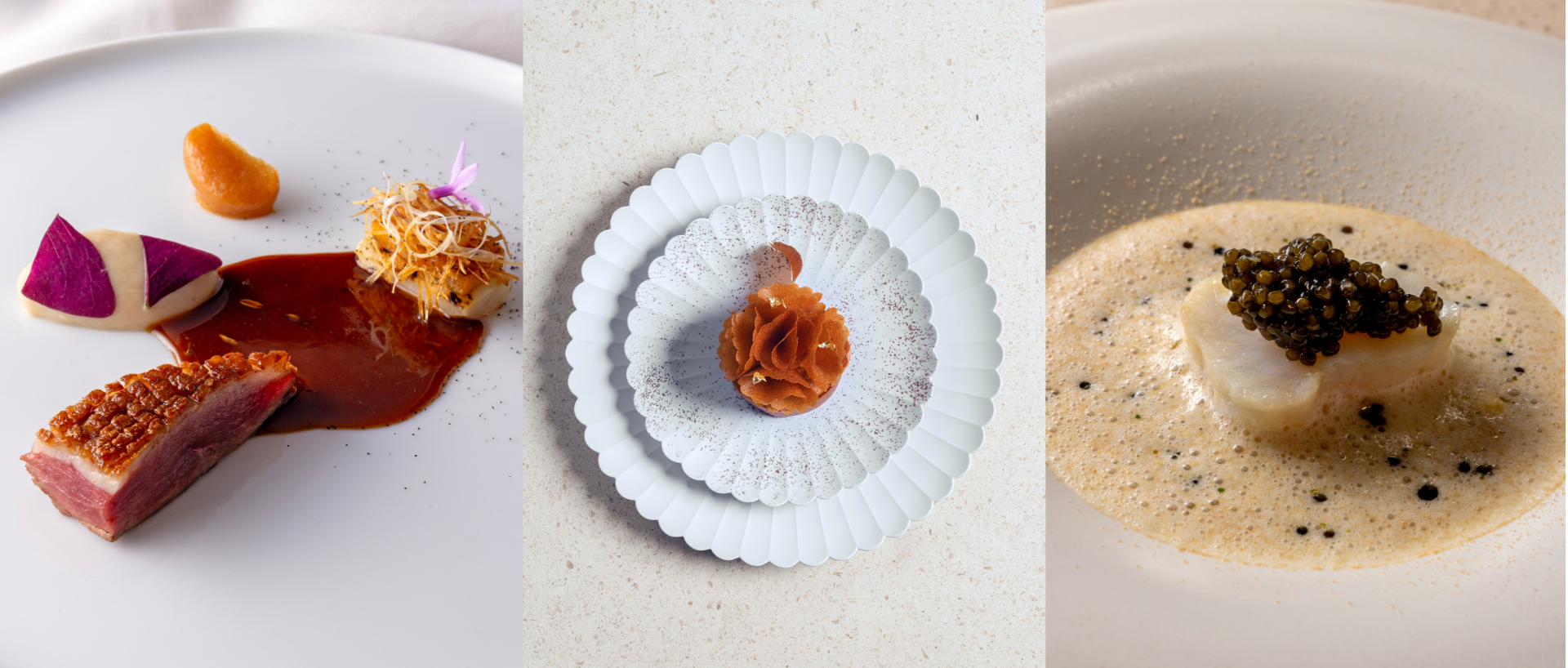
The restaurant has been described as “Modern Seasonal Dining" How do you define the cuisine and what does that phrase mean to you in practice?
For us, the phrase feels natural because it reflects how we cook and how our menu evolves throughout the year.
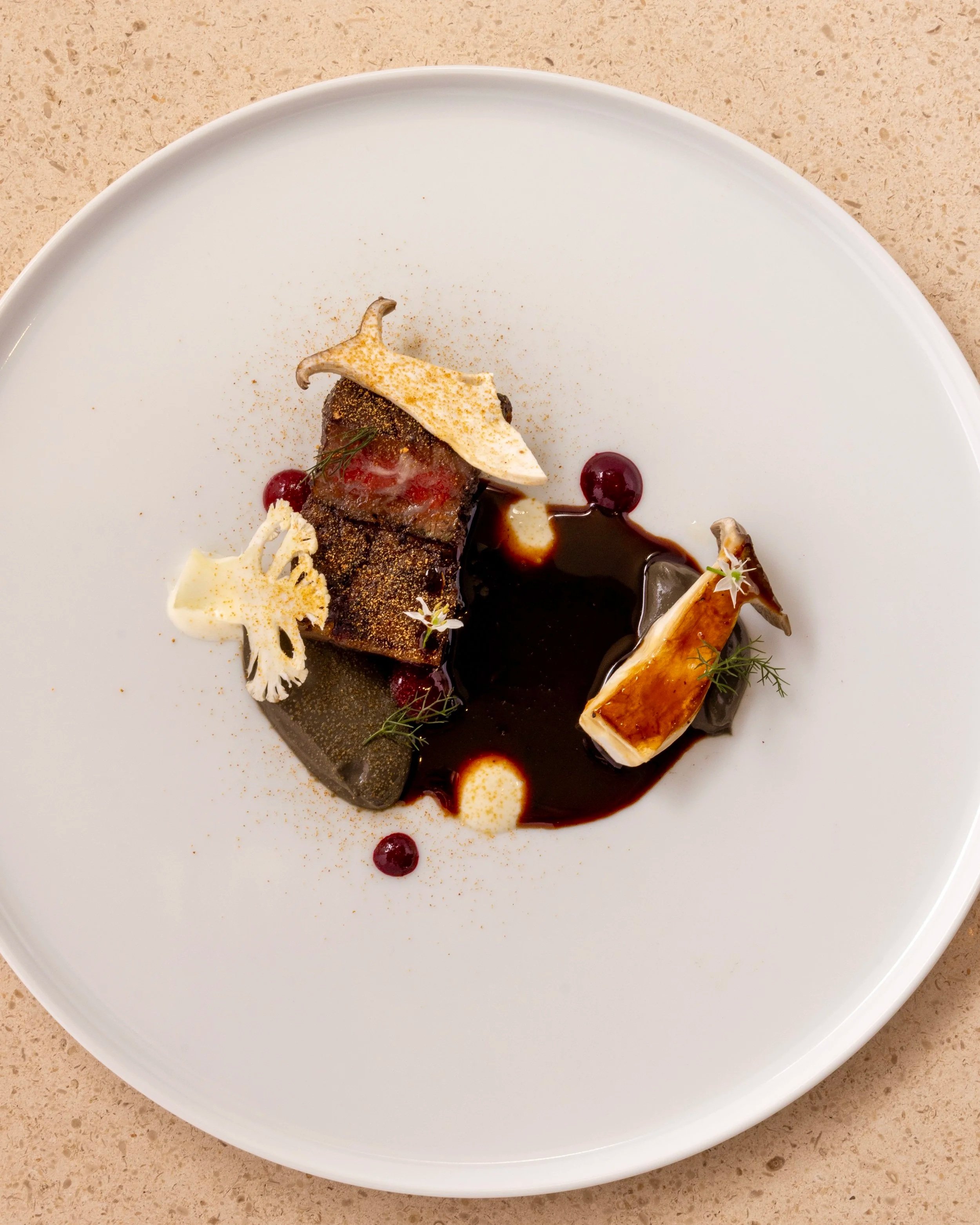
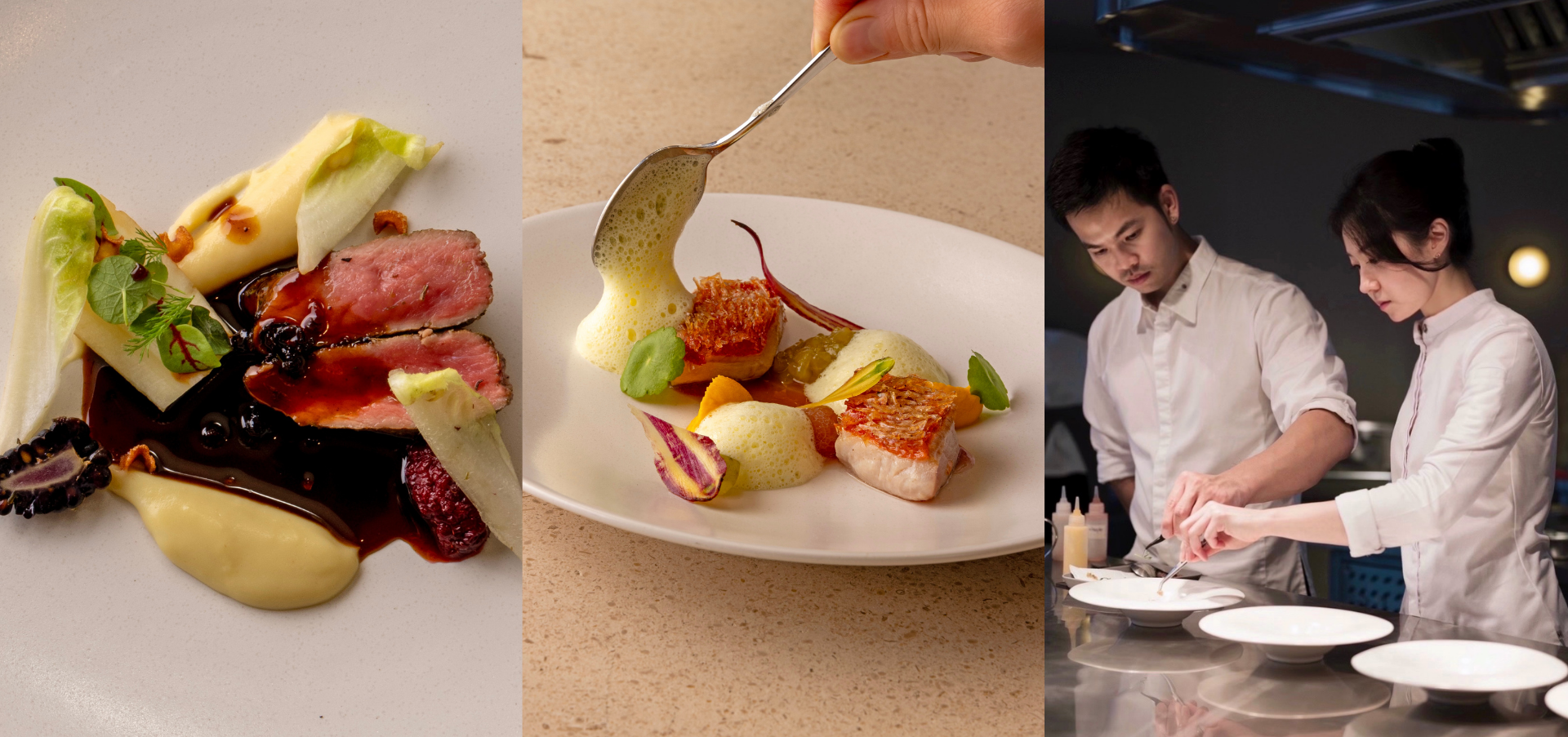
Seasonality is most clearly felt during menu development. Beyond using ingredients at their peak, we consider the colours, textures, and overall mood of each season, shaping how dishes flow and how flavours unfold throughout the meal. This sense of seasonality is reflected not only in taste, but also in the look and feel of every dish.
“Modern” matters because our cooking isn’t tied to a single cuisine. Drawing on contemporary techniques, our experience in the UK, and our Asian backgrounds, we cook with freedom—creating food that feels personal and relevant to how we think about food today.
What was the moment that made you both feel it was time to return to Bangkok?
After many years working abroad, we felt ready for a new chapter—getting married, settling down, and creating something of our own. Opening a restaurant became the natural way to bring together our experiences and express a shared point of view.
Our time in London shaped us through its structured and demanding environment, but it also prompted reflection on what we wanted next, both professionally and personally. As we spent more time in Bangkok, we were drawn to its energy, creativity, and cultural diversity. The city’s evolving dining scene resonated with how we cook, making Bangkok feel like the right place at the right time.
As partners in life and work, how do you balance each other in the kitchen?
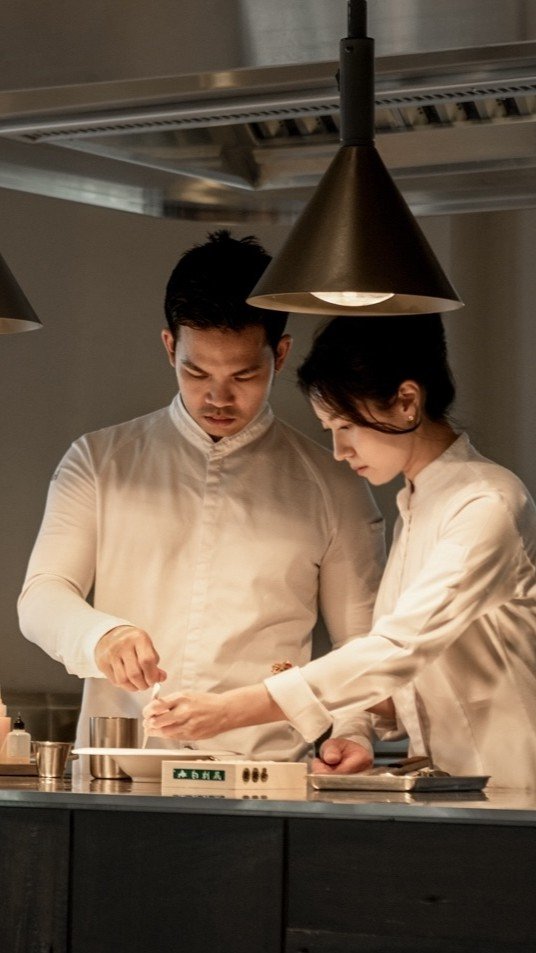
We work in different areas of the kitchen, with one of us focused on savoury and the other on pastry. Because of that, mutual respect is essential. We trust each other’s judgement and step in to support one another whenever help is needed. At the same time, we share ideas
constantly.
We taste together, talk through dishes, and brainstorm as a team. Because we share a clear vision of what we want to serve and the flavours we’re drawn to, everything comes together naturally.
How did the rhythm of London's scene shape your mindset before opening Liana in Talad Noi?
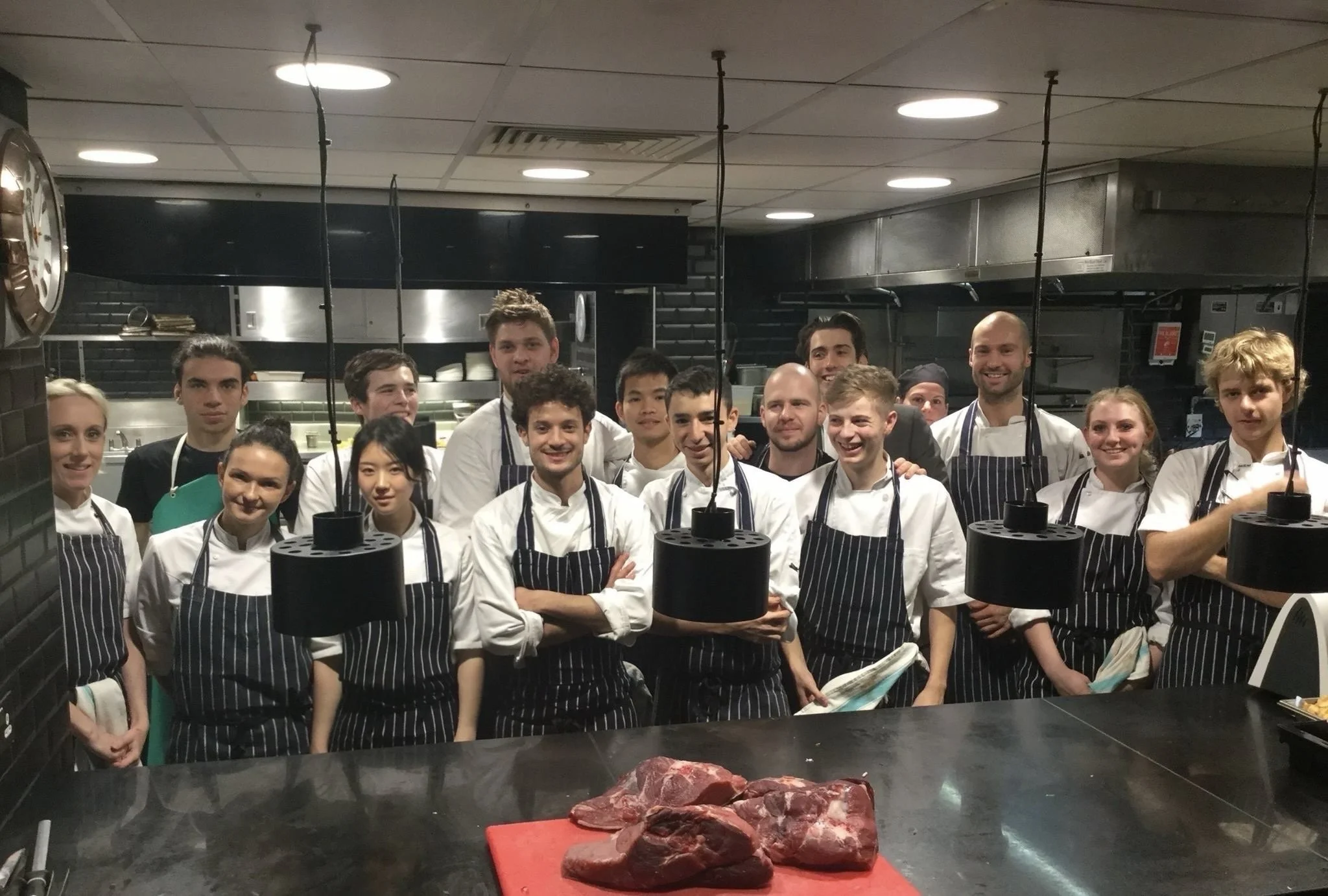
In London, the rhythm of fine dining is defined by pace, pressure, and repetition. Everything moves quickly, and the standards are consistently high. The pressure isn’t occasional; it’s built into the system, and you’re expected to perform at the same level every day.
There was a constant internal question in the kitchen: Is it fine enough? That mindset stayed with us deeply. London trained us to be disciplined and precise, to always taste, always check, and never assume. Precision always came first, and repetition was how we learned to meet those standards.
Starting our careers in a two Michelin-starred kitchen gave us strong technical foundations and resilience, but also taught us the importance of doing things differently. While we carry forward the discipline and standards we learned in London, we are now more mindful of building a kitchen culture that is sustainable, respectful, and supportive.
What does "home" mean to each of you now, after years of living between cultures?
We’ve always thought of home as being where family is. For me (Soohyun), that still means Korea, and it will always be an important part of what home represents.
After opening our restaurant, our definition of family naturally expanded. It’s no longer just about the two of us; it now includes the team we work with every day.
Home feels less like a physical place and more like a state of being. It’s about being present, building something together, and sharing everyday moments with people you trust and care about. That’s what home means to us now.
What’s one dish that feels like a “conversation” between the two of you on a plate if any?
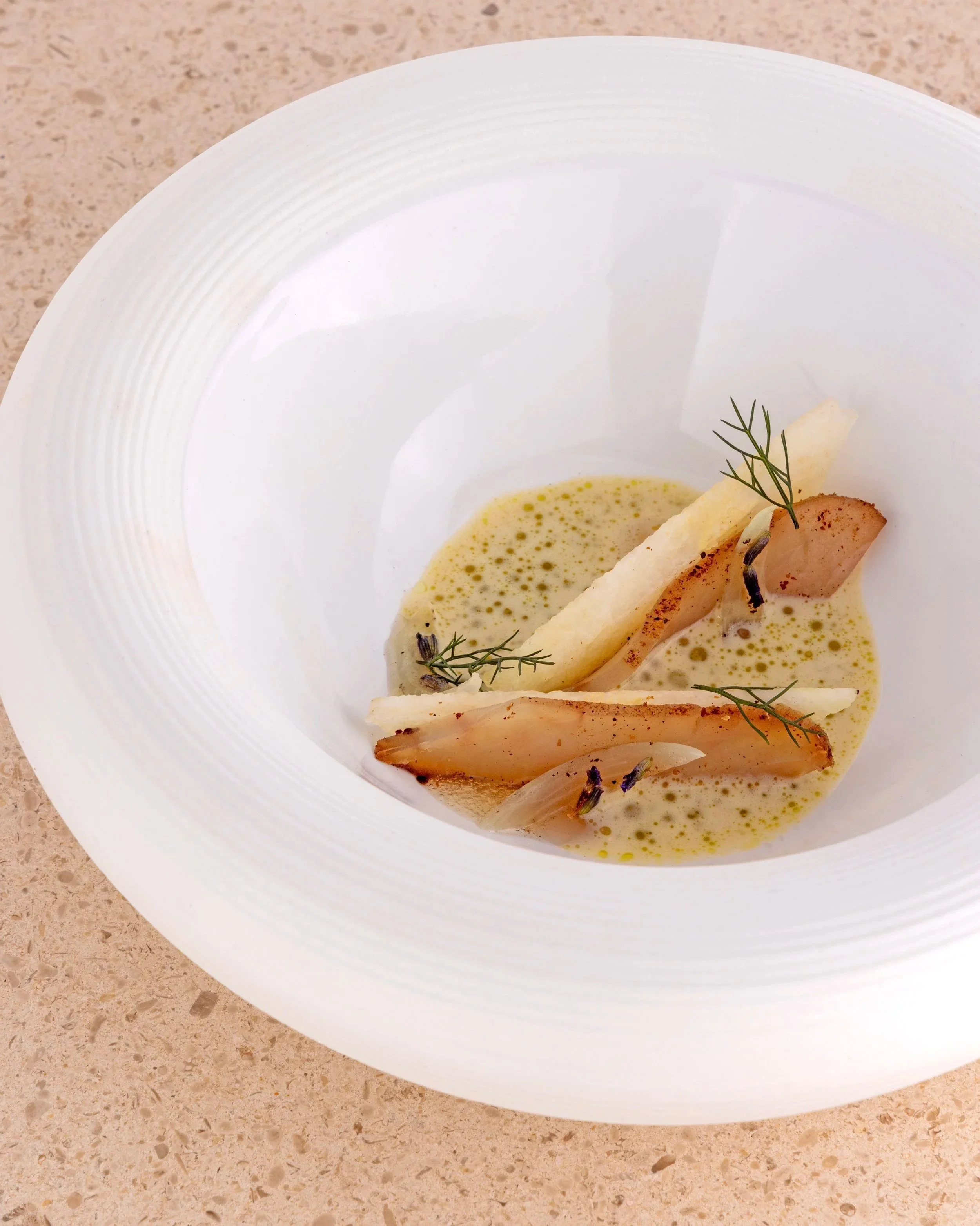
One recent example is our spice-cured hamachi with compressed pear, poached onion, vanilla oil, lavender, and oyster cream. The dish began with Bic’s core idea. When Soohyun tasted it, she felt that, as a starter, it needed a brighter and more refreshing note to lift the flavours. She suggested adding cucumber in the form of a granita, which immediately changed how the dish opened on the palate.
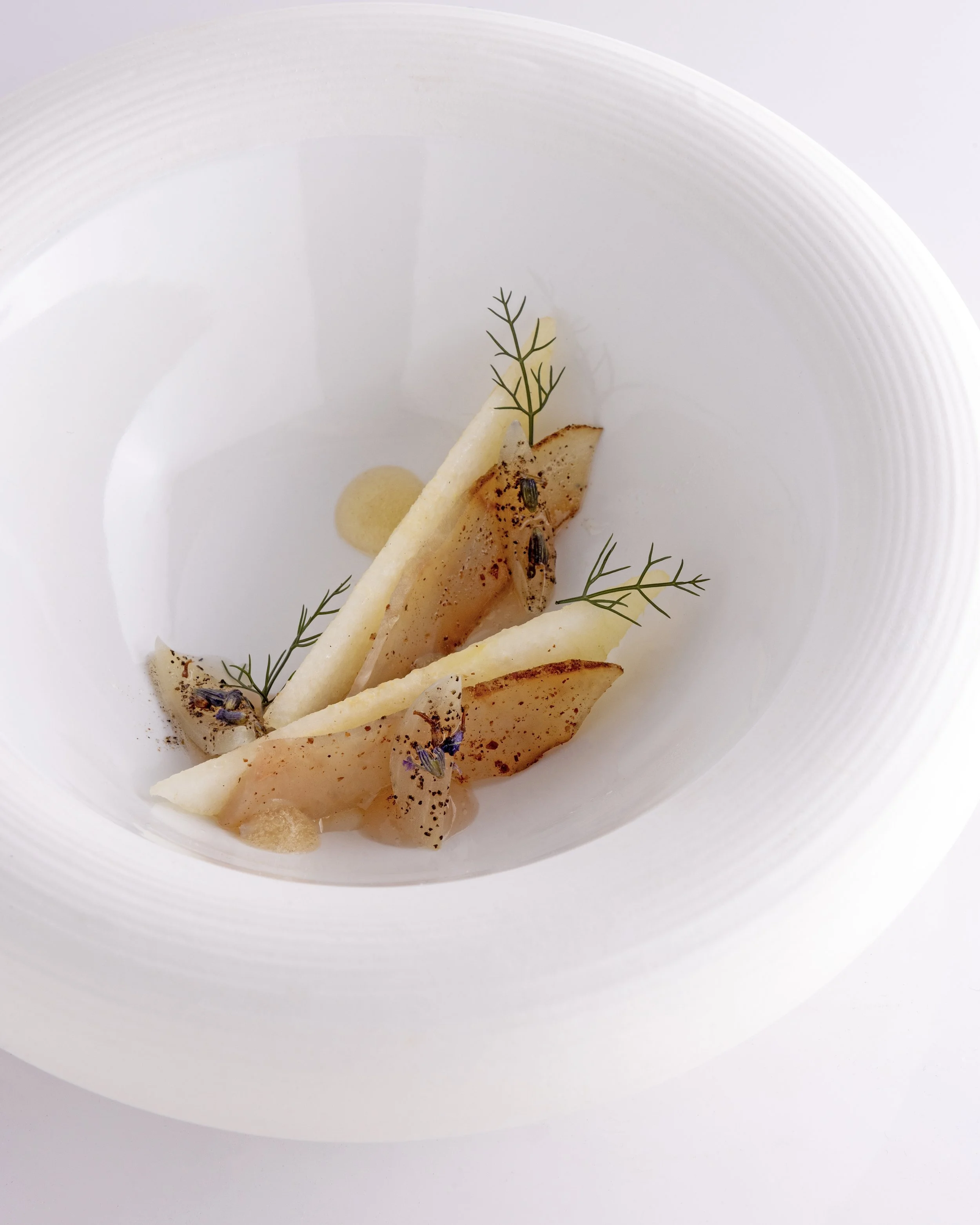
From there, we went back and forth, tasting and adjusting, until the balance felt right to both of us. That kind of exchange is very typical of how we work together. Dishes often start with one person’s idea, then evolve through shared tasting and discussion until they reflect both of our perspectives and feel complete on the plate.
How has the experience of running your own restaurant changed your philosophy about success in food than when you are in London?
Before, success was closely tied to recognition. It was about achievement and external validation.
Now, success feels much more personal. It’s having guests who come back, but also building relationships based on trust — with our team, and with the producers and suppliers we work closely with every day.
Running our own restaurant has made us realise that everything matters. Every detail, every interaction, every person involved. People have become the most important part of it all. When guests return and those relationships continue to grow, that’s when we truly feel that what we’re doing is working
Do you see Liana as part of a larger creative movement reimagining Talad Noi—not just a restaurant, but a voice in its evolving story?
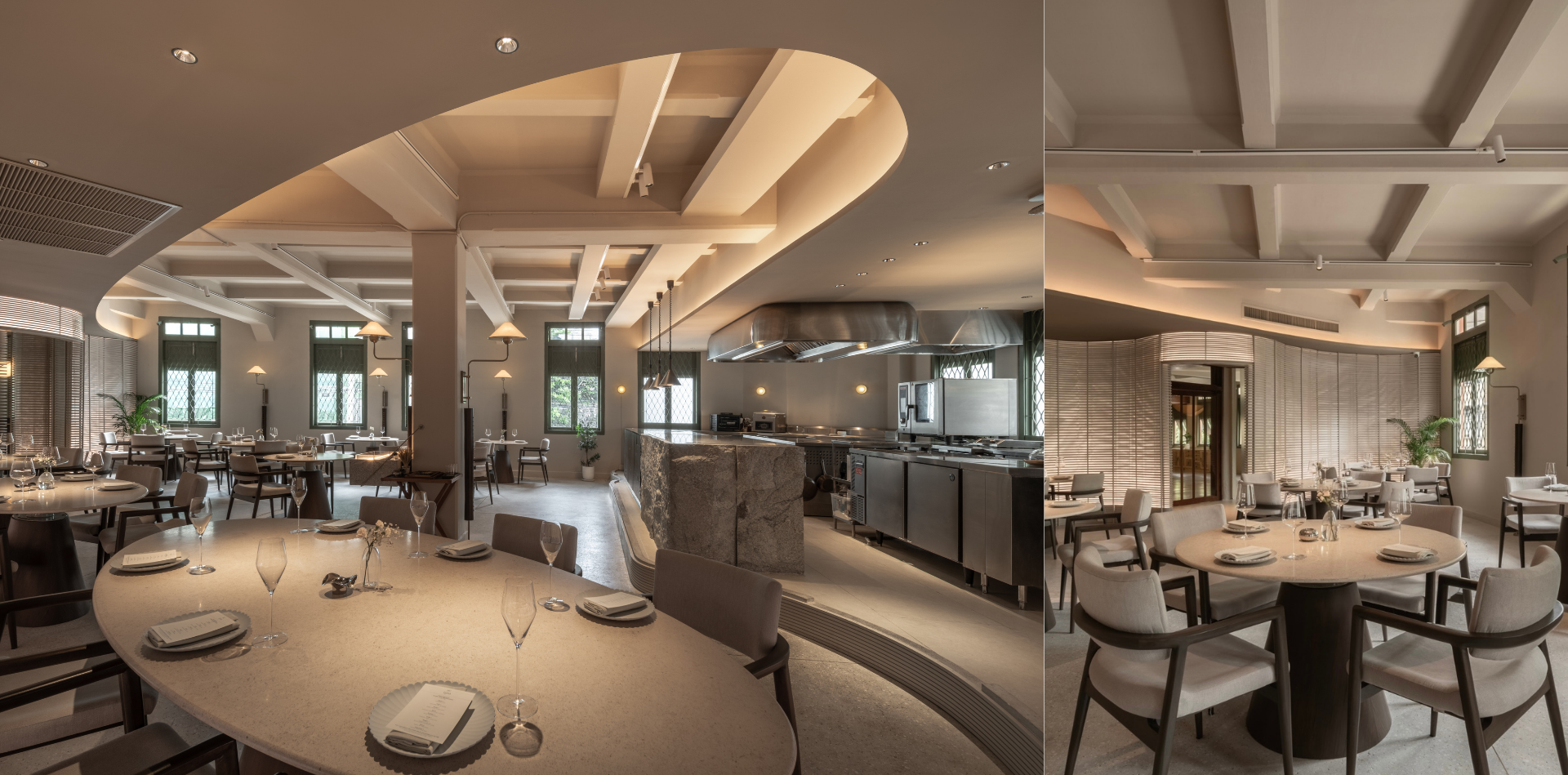
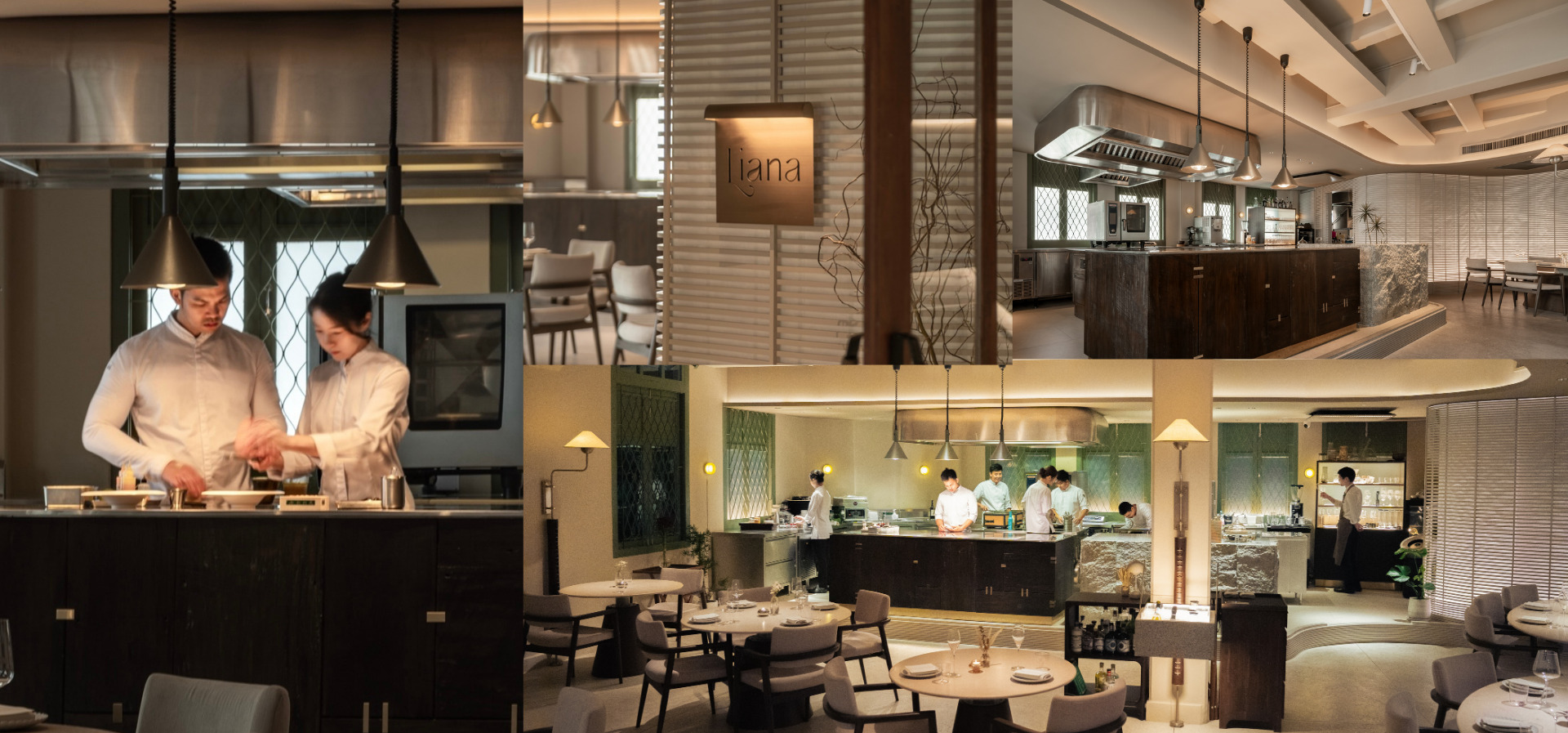
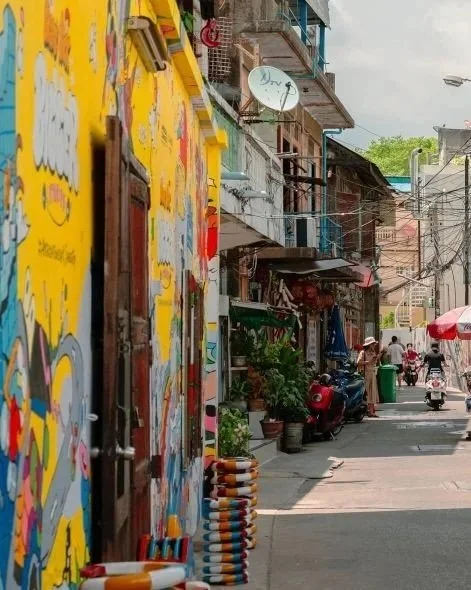
Talad Noi is a historic neighbourhood with a very distinct character, one that is quietly evolving. There’s a strong sense of history here, but also a growing openness to new ideas, which we found compelling and felt aligned with what we wanted to build.
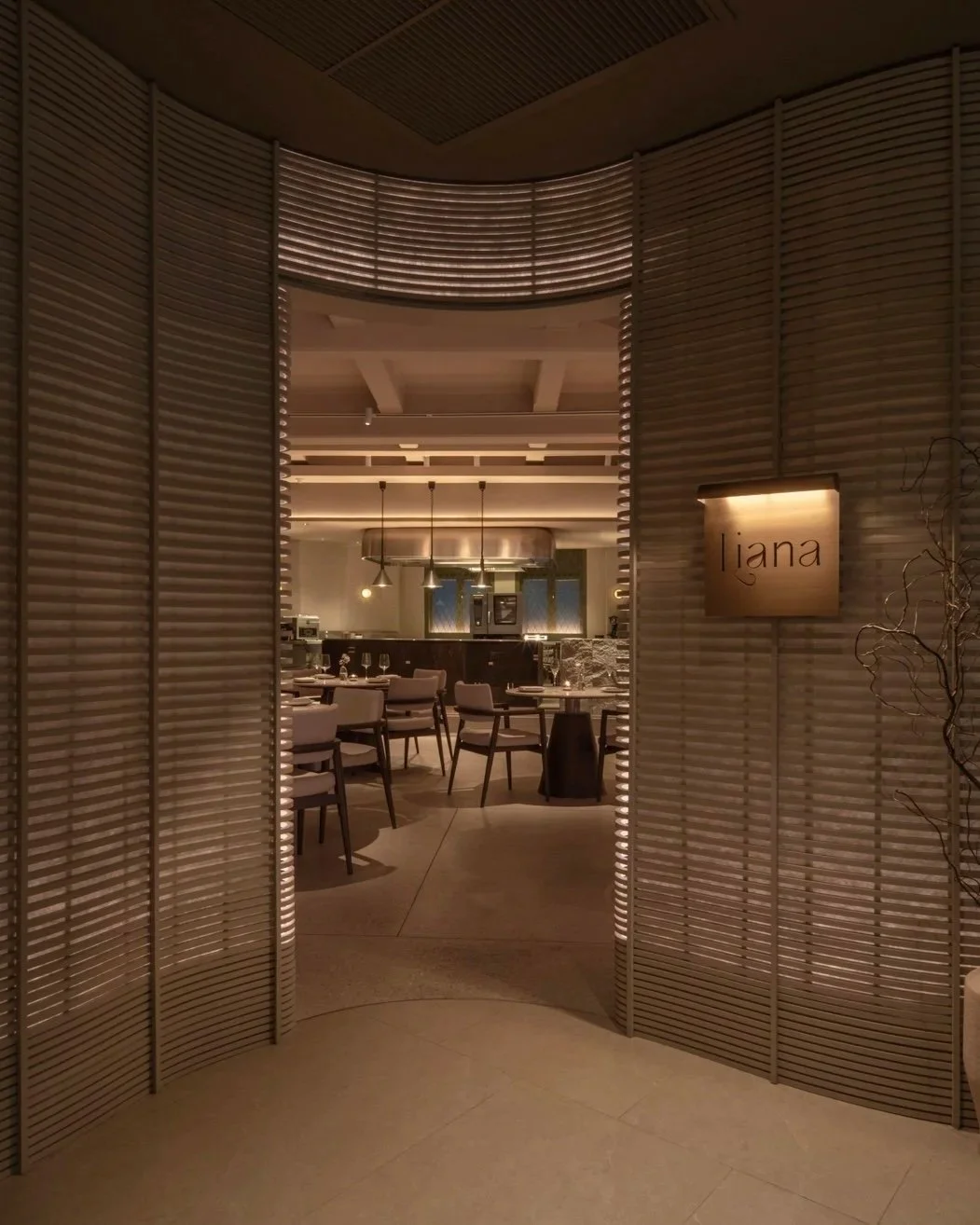
It’s still early to fully understand how the area will influence us over time, but one thing is clear: Liana sits in dialogue with its surroundings.
It blends into the building and the neighbourhood, while still offering something distinct.
We hope that, in its own way, Liana can contribute to Talad Noi’s identity and be part of its growth as a destination for thoughtful, fine dining.
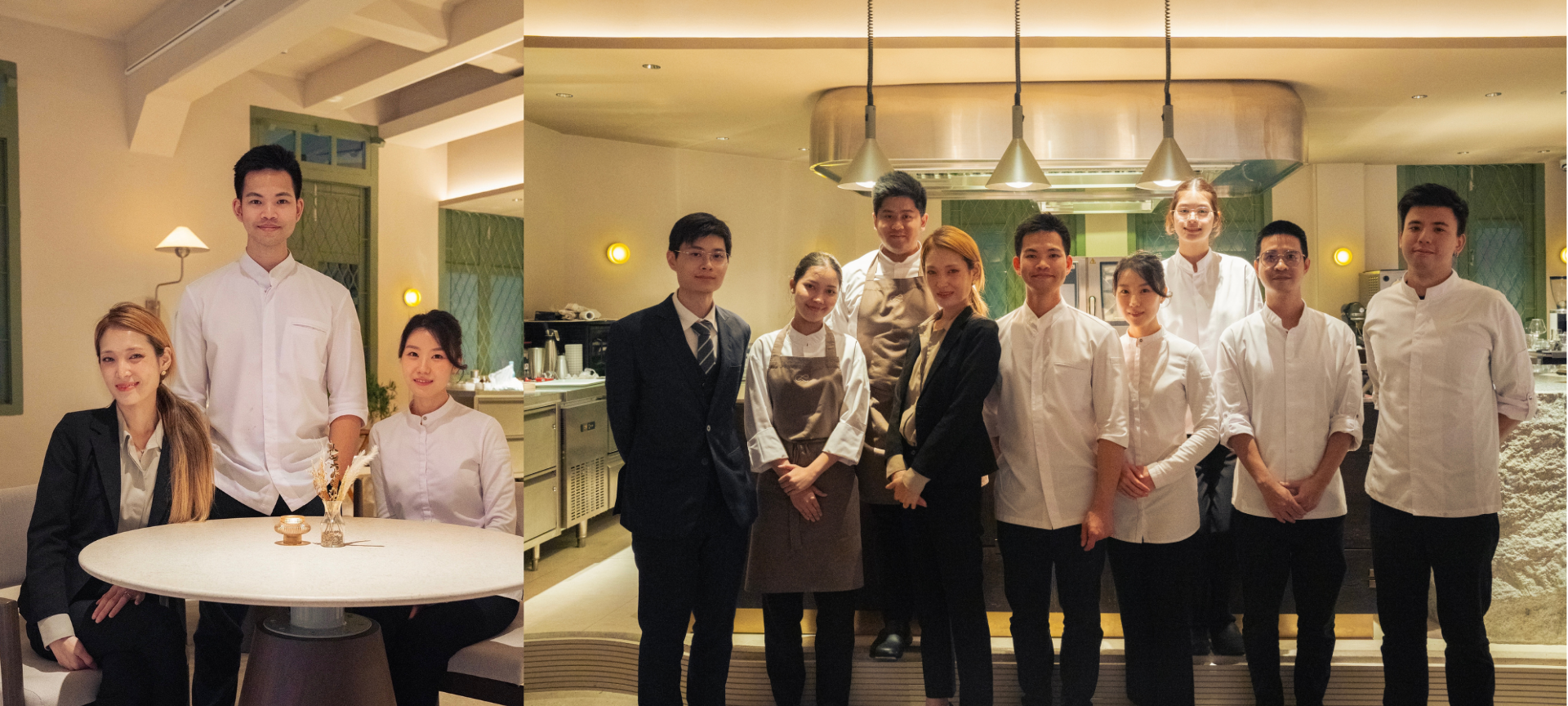
What kind of legacy/takeaways do you wish Liana to leave within Bangkok’s dining landscape, and within your own journey together?
Ultimately, what we hope Liana leaves behind is about people. For guests, we hope the experience leaves them feeling better than when they arrived — like a small getaway, stepping into somewhere unexpected, and leaving refreshed and inspired.
For our team, we hope Liana is remembered as a place that felt like family, where people were supported and encouraged to grow. We want our team to remember us not just as employers, but as mentors and partners along the journey, and to look back feeling proud of the time they spent with us.
At the heart of it all, the culture we hope to leave behind is one built on respect — for each other, for the craft, and for the relationships that make this work possible. If that carries forward in the way people cook, work, or lead in the future, then we feel we’ve done something right.