Mapping Memory Through Tapori,Chef Rohit’s Trailblazing Atlas
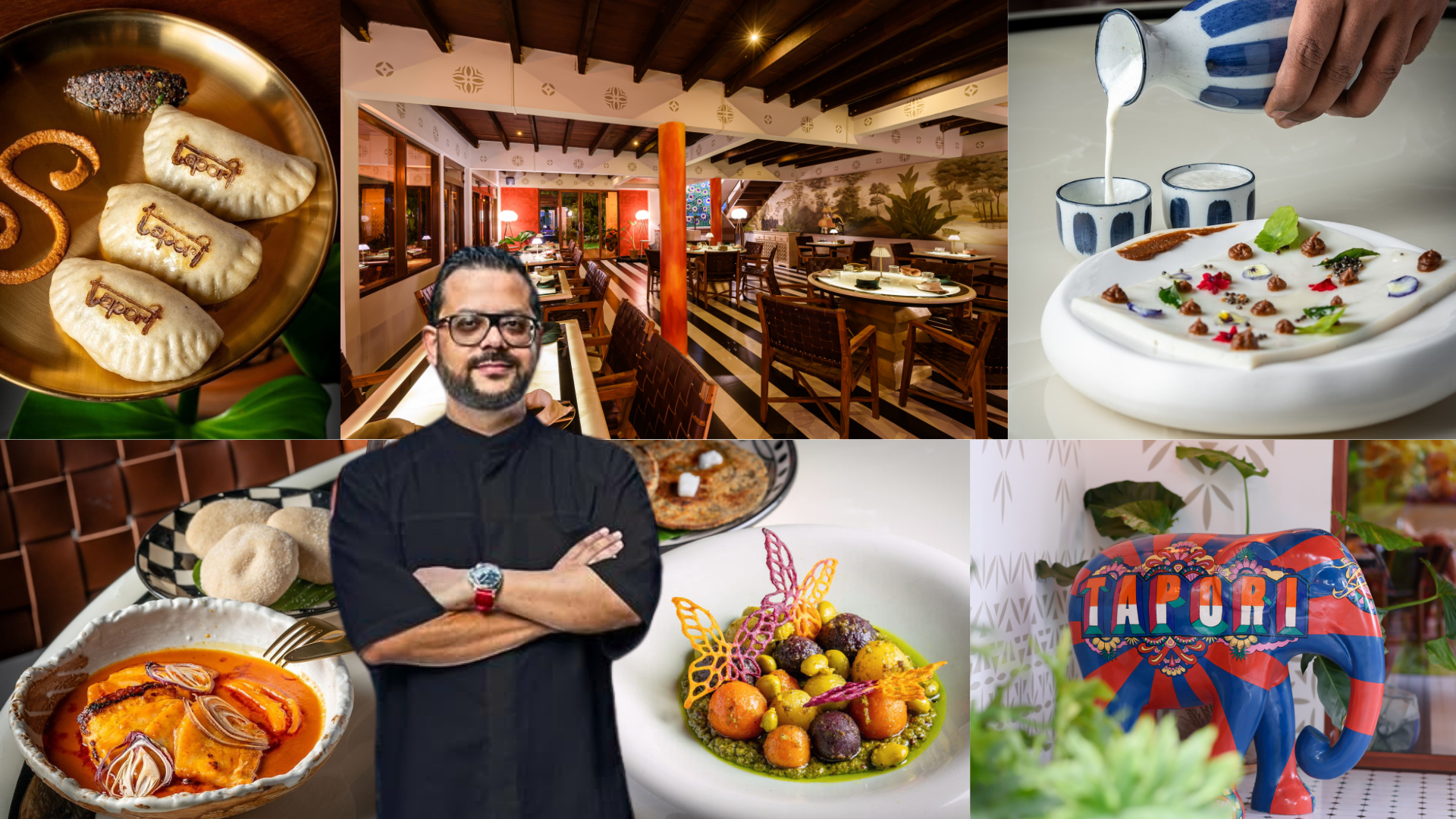
In a world where the familiar often overshadows the profound, Chef Rohit Sharma reminds us that true richness lies in the overlooked. At Tapori Bangkok, he becomes a custodian of culture, a wanderer seeking out the quiet wisdom of kitchens tucked away in forgotten corners of India.
His culinary journey, shaped by deep curiosity and reverence for diversity, challenges us to reconsider what we know of Indian cuisine. In this Q&A, Chef Rohit reflects on food as a living archive of memory, migration, and meaning—where dishs tells a story, and flavors is a compass pointing toward something deeper.
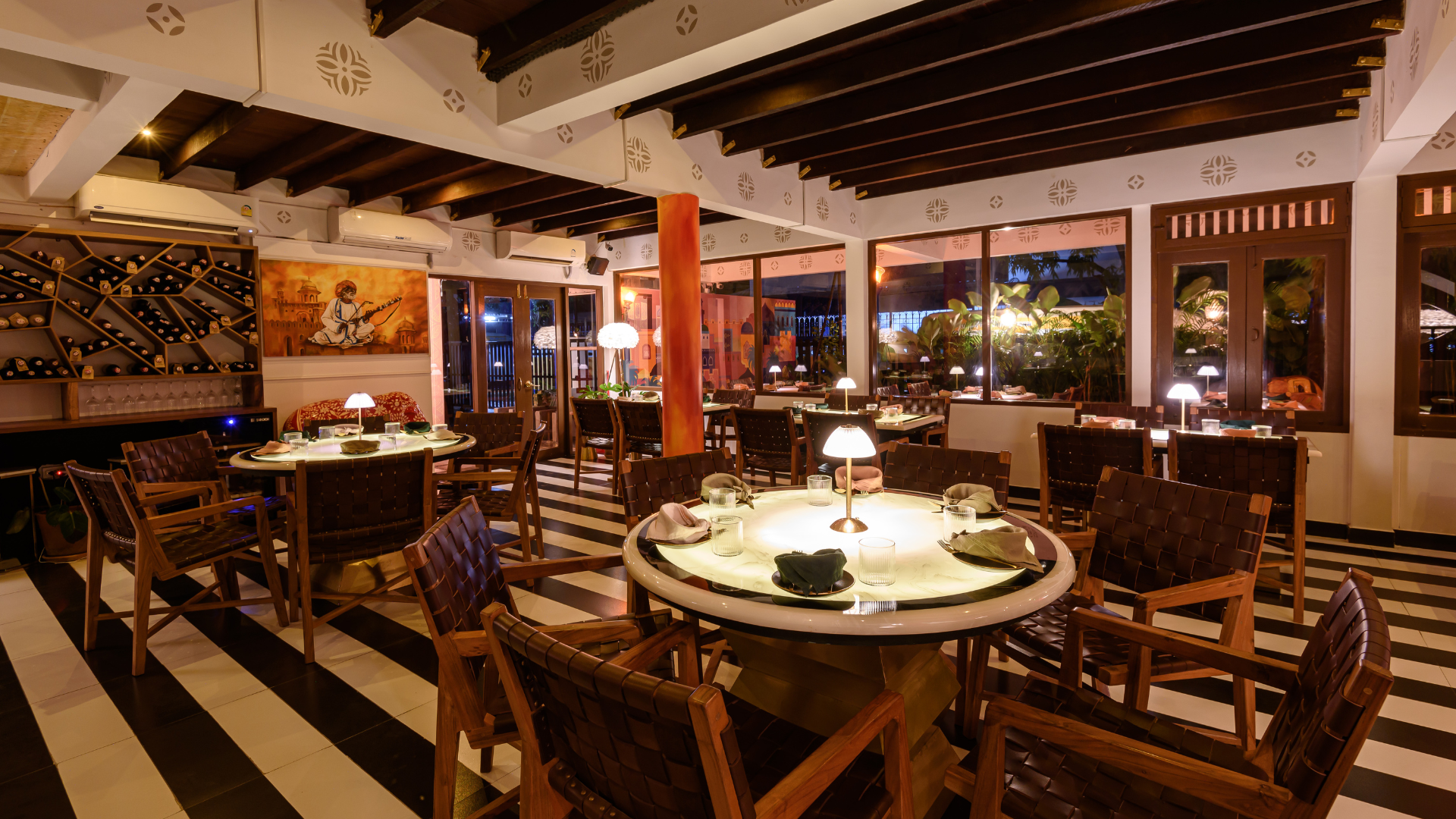
“Tapori” means a wanderer, a street-smart rascal.
Being a wanderer taught me that the soul of Indian cuisine doesn’t reside in high-end restaurants—it lives in family kitchens, roadside stalls, and forgotten towns.
When you move, you listen differently, you taste deeper.
I learned that recipes aren’t just ingredients and techniques— they’re emotional inheritances. Standing still, you might master a recipe.
Wandering, you understand its why.
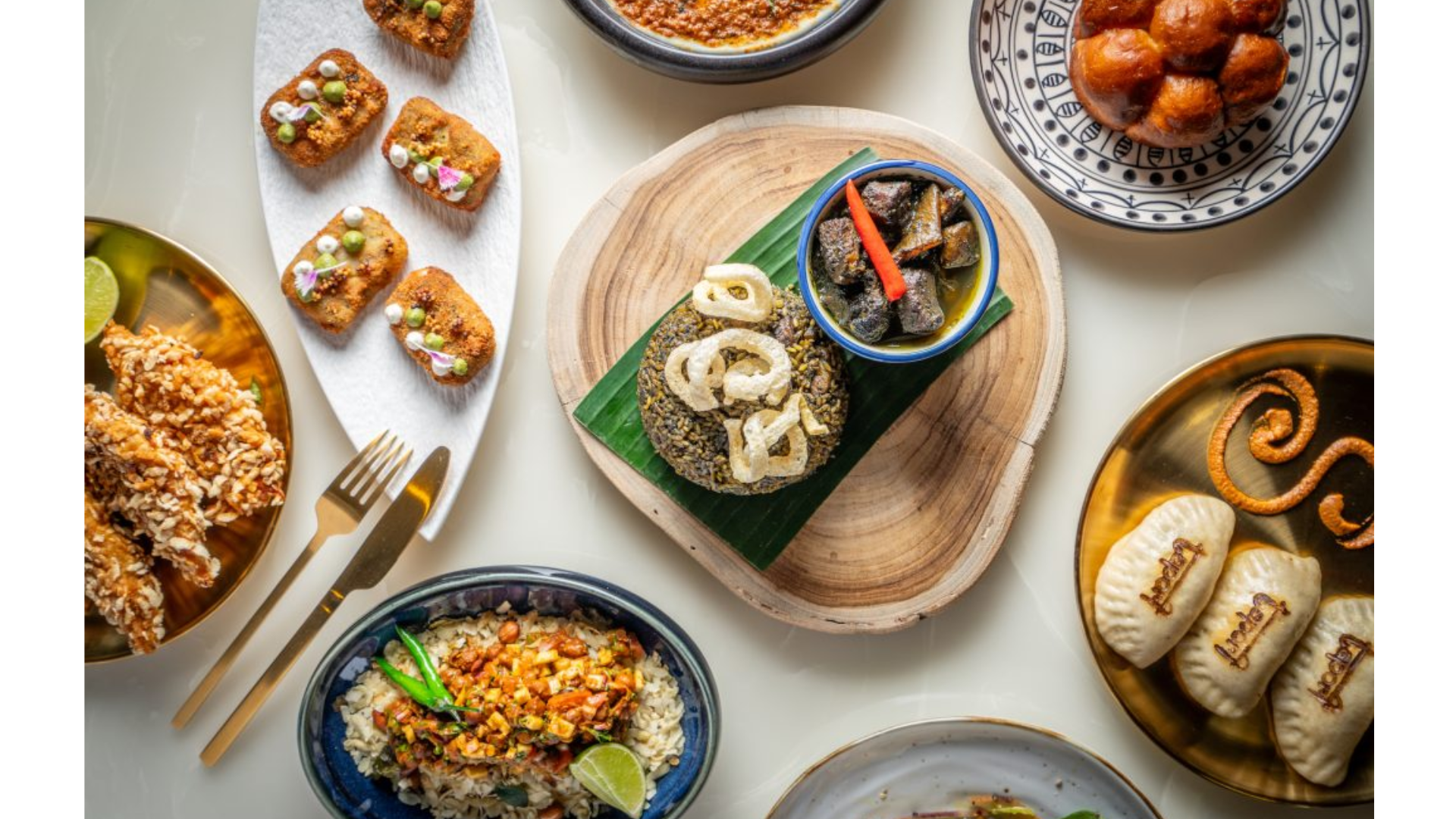
At Tapori, every dish is a chapter in a larger story—rooted in tradition, crafted with care. We honor each recipe by preserving its original name and authentic flavors, just as we discovered them across India.
While the plating is elevated to suit a refined dining experience, the soul of the dish remains untouched. You're not just savoring a meal — you're community’s legacy, a region’s pride. Our menu doesn’t just feed; it narrates.
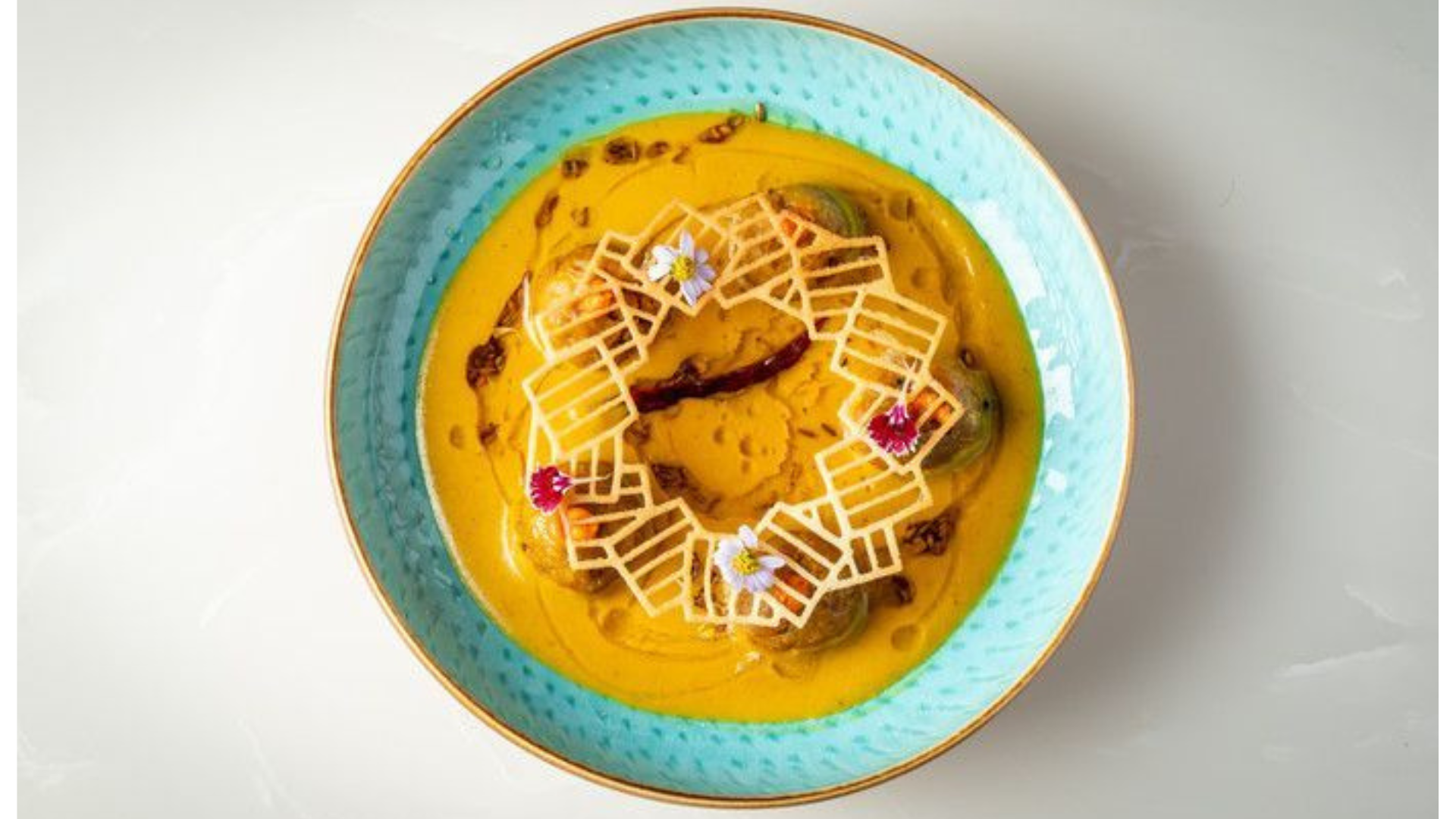
he journey took you across 28 states and 8 territories. Was there a moment that made you pause and question everything you thought you knew about Indian food?
At Tapori, every dish is a chapter in a larger story—rooted in tradition, crafted with care. We honor each recipe by preserving its original name and authentic flavors, just as we discovered them across India.
While the plating is elevated to suit a refined dining experience, the soul of the dish remains untouched. You're not just savoring a meal—you're community’s legacy, a region’s pride. Our menu doesn’t just feed; it narrates.
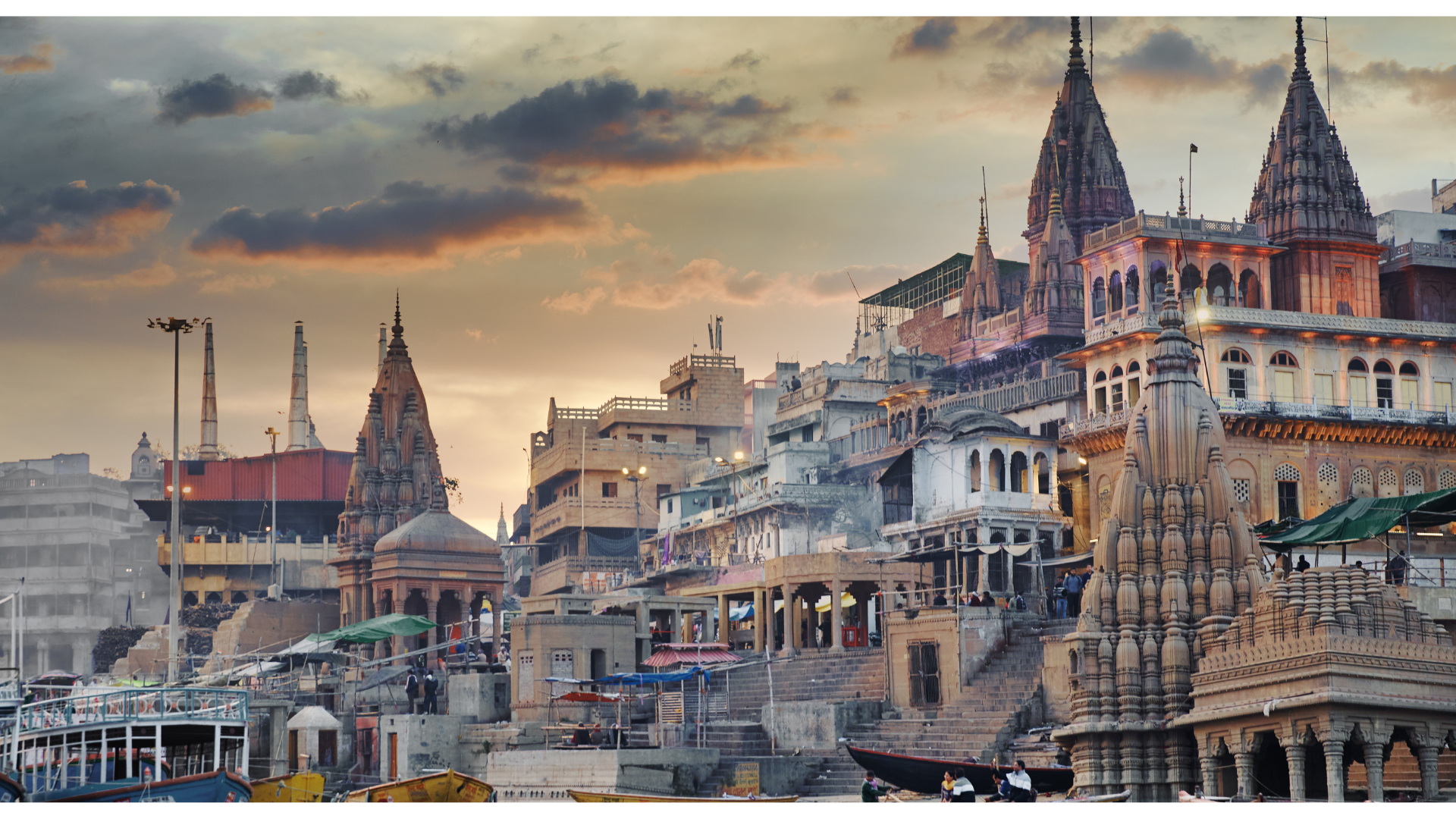
Each state, each union territory, offers its own rhythm, spice, and soul. Was there a particular region that left a permanent mark on you?
Uttar Pradesh did—it's where I come from, so the connection is deeply personal. Growing up surrounded by the aroma of slow-simmered curries and kormas, festival sweets shaped my earliest food memories.
On my travels back to my home town, revisiting those flavors— whether it is an immaculately cooked nihari in a centuries-old kitchen or a simple aloo-puri served in your neighbourhood market stall — each time it feels like rediscovering pieces of myself. The food here carries a sense of time and tradition that’s deeply rooted in me.
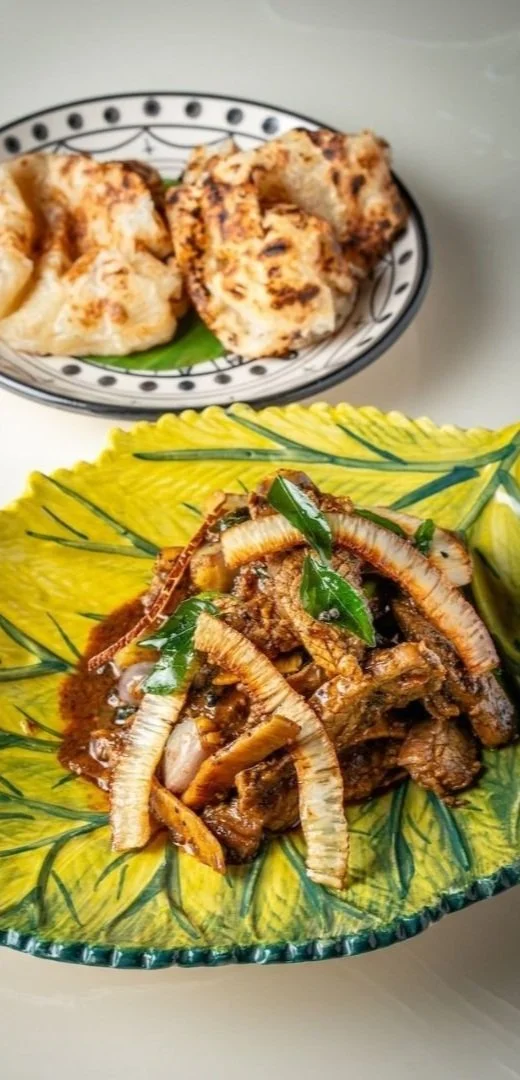
Your menu is described as a travelogue. Which dish you think is the emotional core of your story and why?
The Beef Ularthiyathu from Kerala is the emotional core of my story. It takes me back to my college days in Manipal, Karnataka. On many lunch breaks, a group of us would escape to this small local eatery that served an unforgettable Beef Ularthiyathu with flaky Malabari parottas.
Those meals were moments of friendship, laughter, and small escapes from the chaos of student life. That dish became our shared ritual, a comfort we returned to time and time again.
When we brought it to the Tapori menu, I knew we had to keep its soul intact—the bold black pepper, the curry leaves, the richness of coconut. For me, it’s a memory of youth, friendship, and the power of food to bring people together.
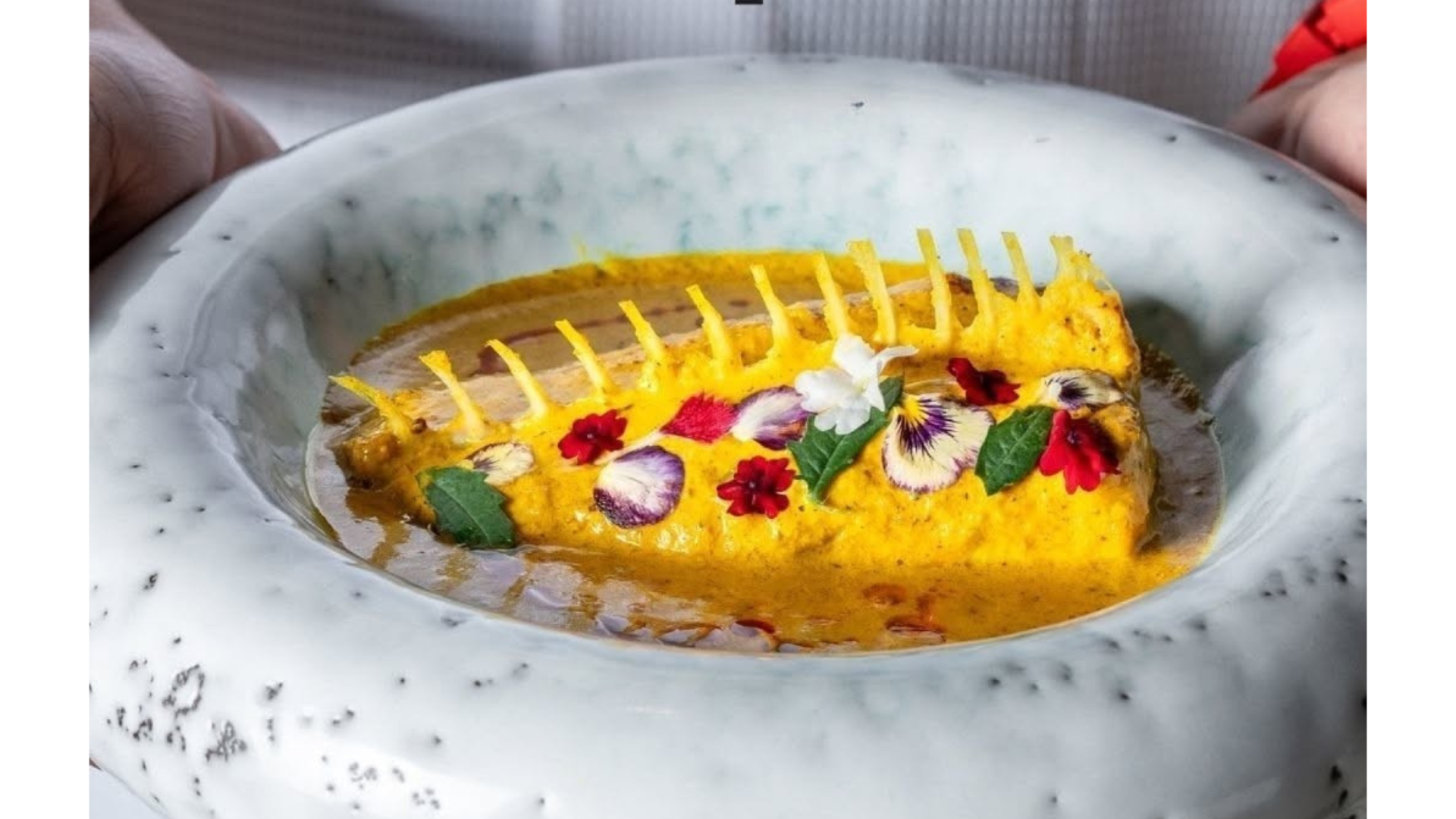
What responsibility do you feel as a storyteller of India’s lesser-known cuisines, especially for people who may be encountering them for the first time?
A huge one. I’m aware that for many guests, this might be their first—and maybe only—taste of a region’s cuisine. So we don’t sensationalize.
We respect the original, adapt only where necessary, and give credit where it’s due.
It’s not fusion. It’s translation—with integrity.
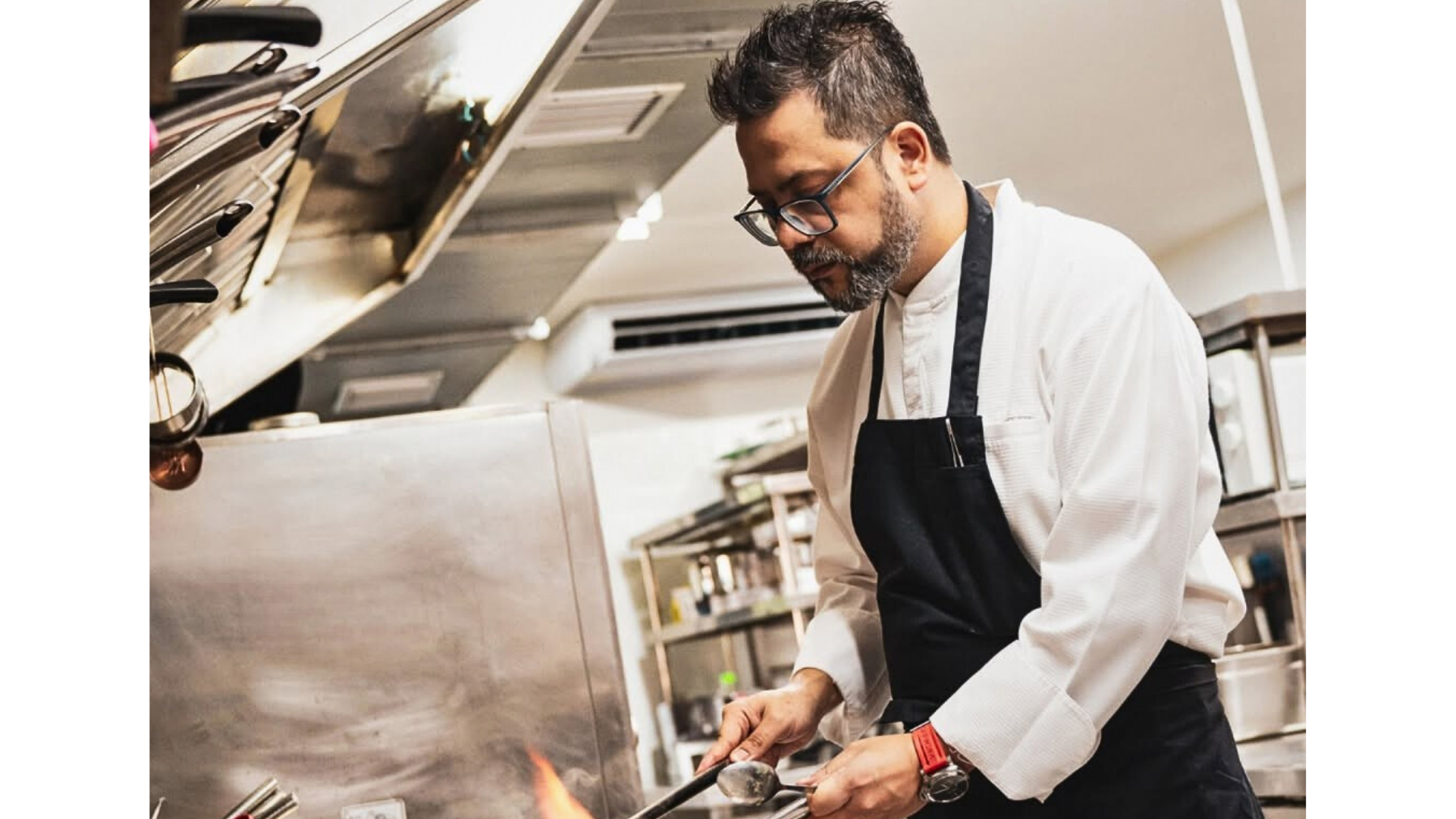
“Tapori is about challenging what
we think Indian food is, without
losing what makes it sacred.”
Do you consider yourself a custodian, a curator, or a rebel when it comes to Indian food? Or perhaps a bit of all three?
A bit of all three. I’m a custodian when it comes to respecting traditions, a curator in selecting and presenting diverse dishes, and a rebel for stepping away from the usual suspects like butter chicken and paneer tikka.
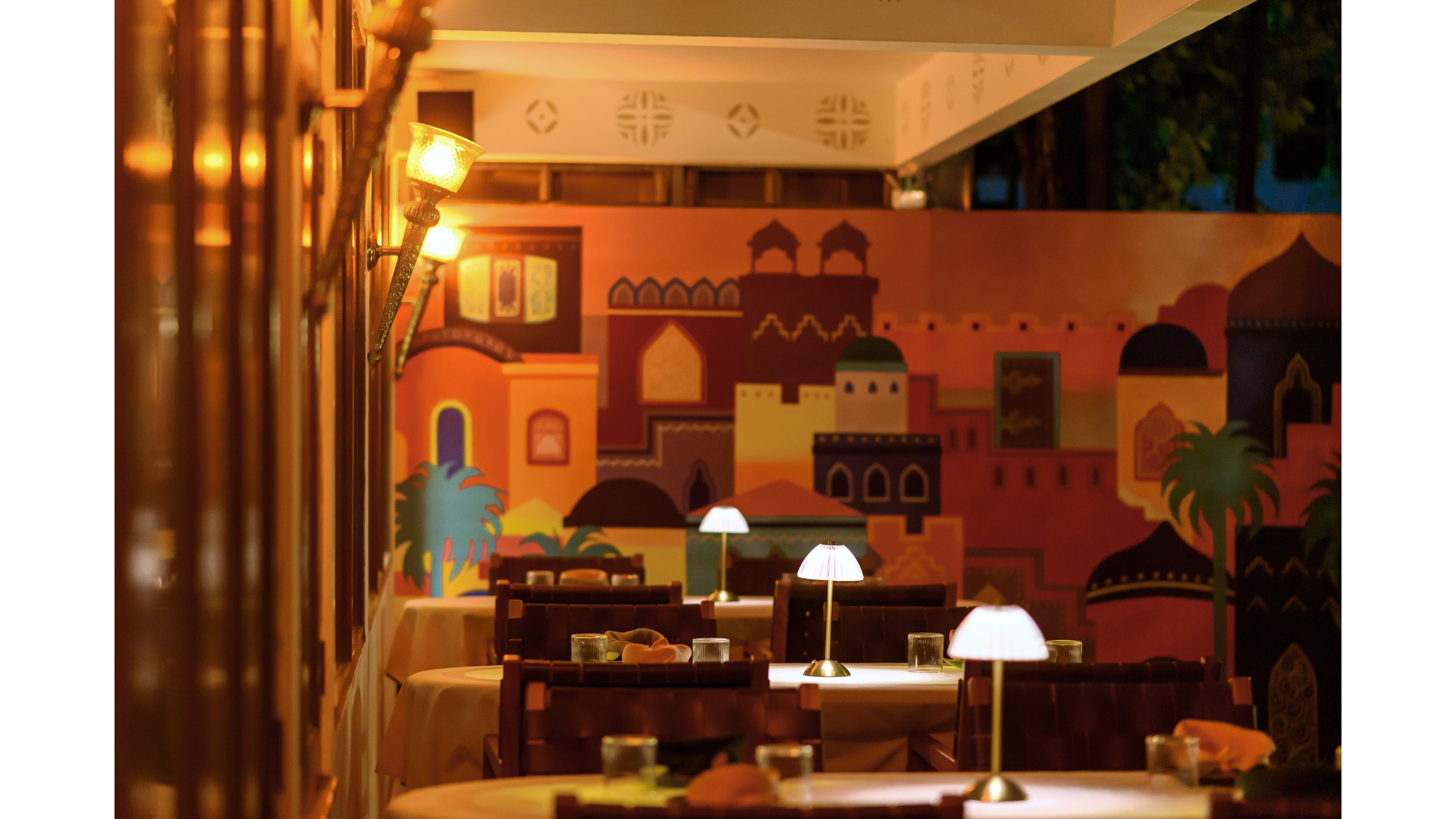
If the menu is a map, what do you hope your guests discover about India and about themselves, by the end of their journey at Tapori?
I hope they discover that India isn’t just one story—it’s thousands. And maybe, just maybe, they walk away with more curiosity. About people, about places they’ve never been, and about the power of food to connect us across cultures and time.
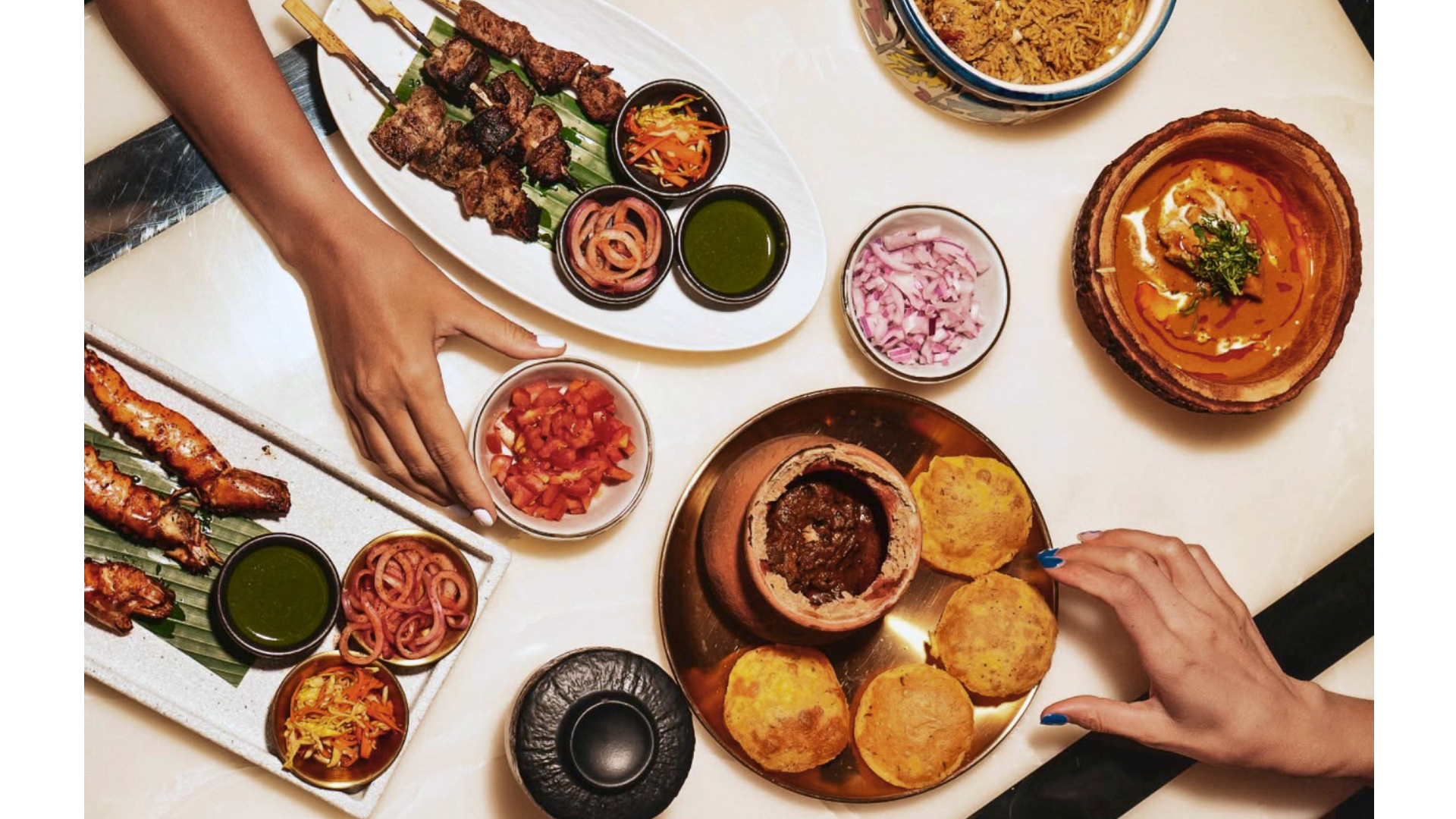
Some might call your approach nostalgic, others radical. What does the future of Indian cuisine look like to you, and how is Tapori a part of that vision?
The future of Indian cuisine is deeply rooted and wildly diverse. It's about looking back without getting stuck, and moving forward without forgetting. Tapori’s role is to be a bridge—between the old and the new, the obscure and the celebrated. If we can keep India’s food memory alive while inviting new audiences in, we’re doing our job.