The Golden Age Reclaimedthe Cinematic Splendor of Quilombo
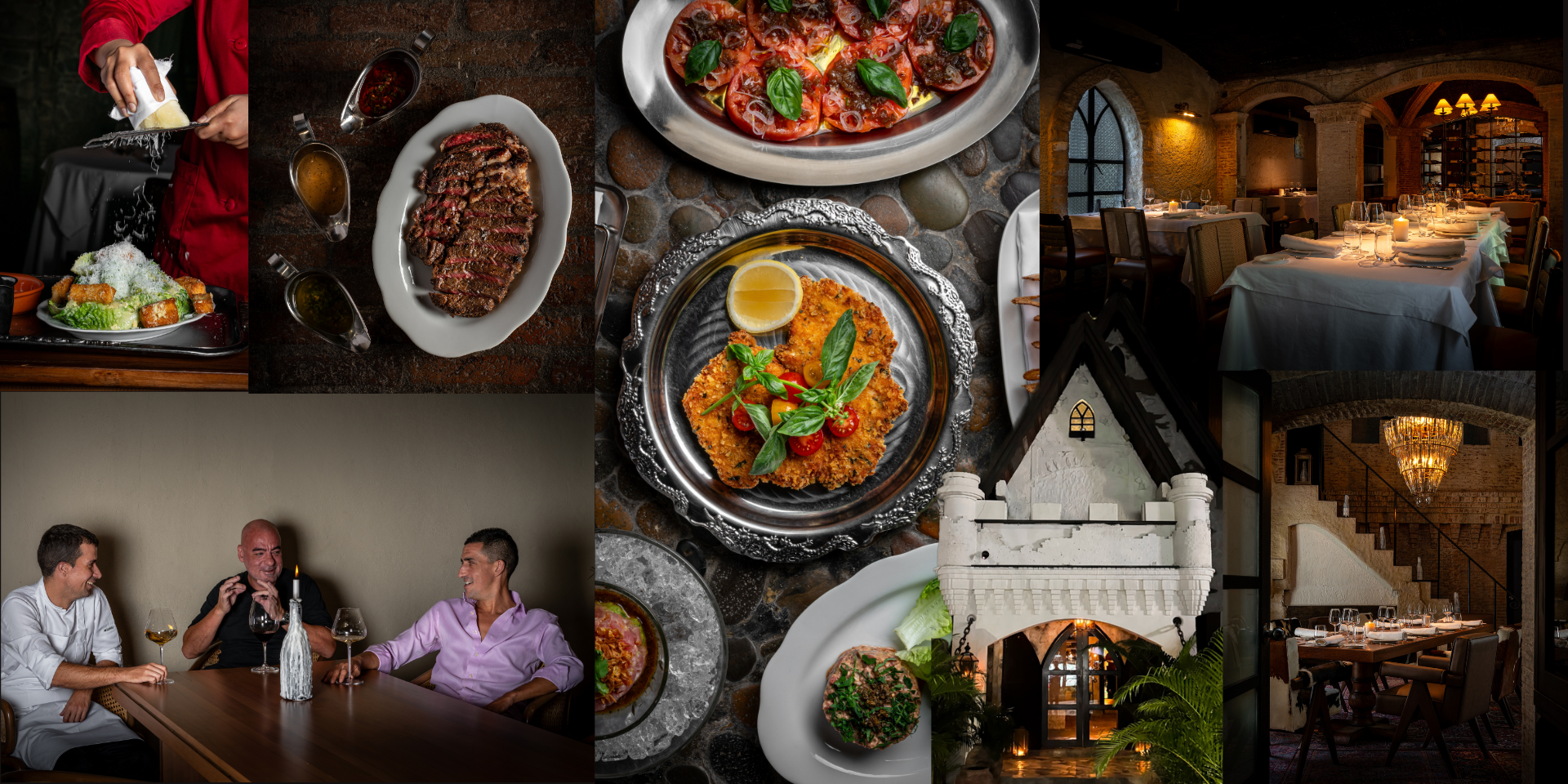
Traveling back to the golden era of 1950s Buenos Aires where evenings unfold slowly over glowing embers, glasses of wine clink in lively conversation, and the scent of beef on the parrilla fills the air. That spirit now finds a home in Bangkok through Quilombo, a restaurant that transports diners into the heart of Argentine dining culture.
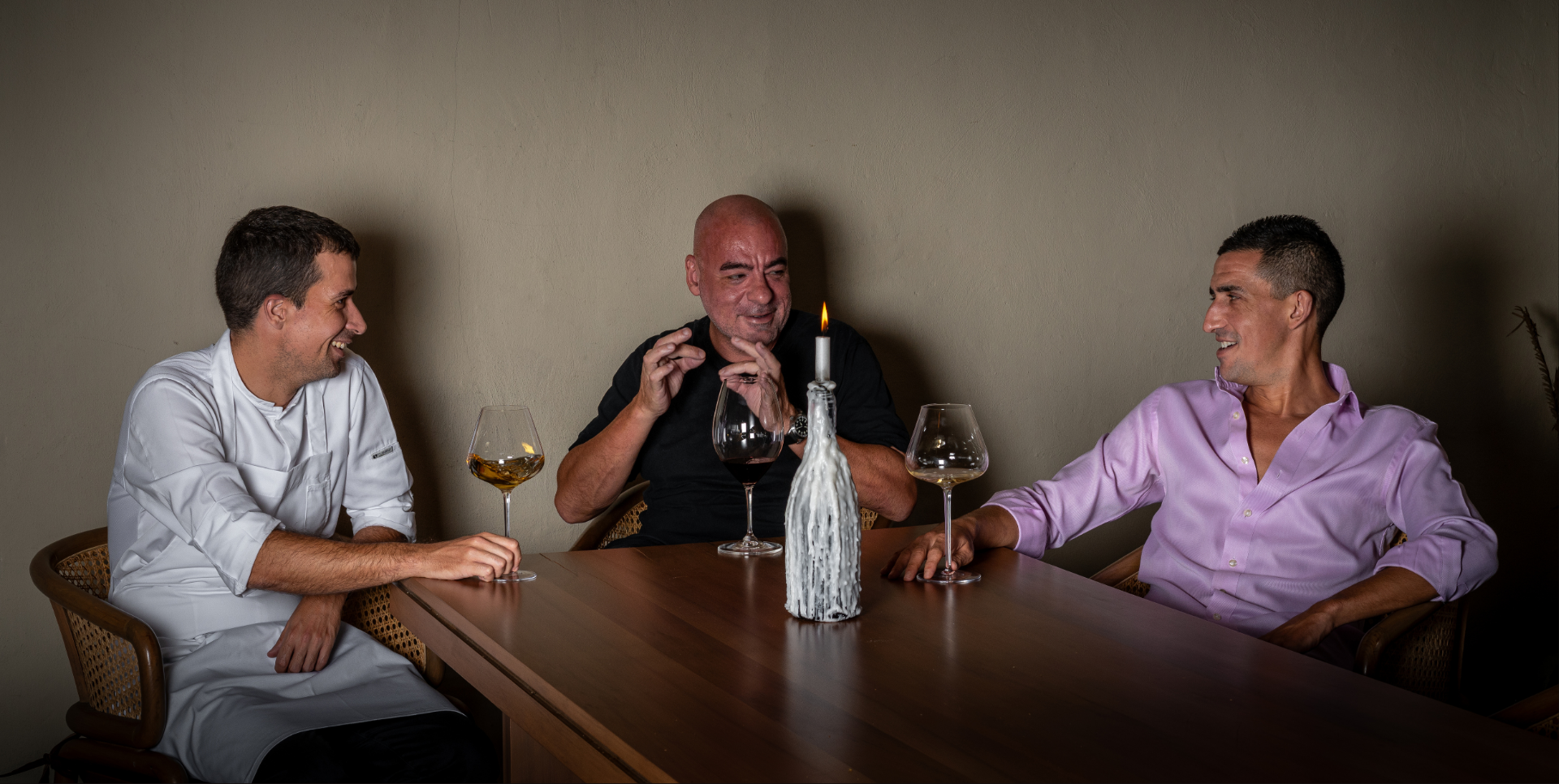
Conceived by two of Asia’s influential restaurateurs, Christopher Mark and Manuel Palacio, and brought to life in the kitchen by Catalonia-born chef Ferran Tadeo, Quilombo is a tribute to fire, craft, and the timeless rituals of gathering around the table. In this conversation, the founders and chef reflect on the philosophy behind Quilombo, the cultural stories woven into its name, and how a piece of Buenos Aires finds new meaning within Bangkok’s ever-evolving dining landscape.
After years of managing dozens of concepts, what was the one 'itch' that only this partnership and only Quilombo could scratch?
Chris and I We've spent a long time in this industry building large groups, scaling brands, managing complexity. There's real satisfaction in that. But at some point you crave something more personal.
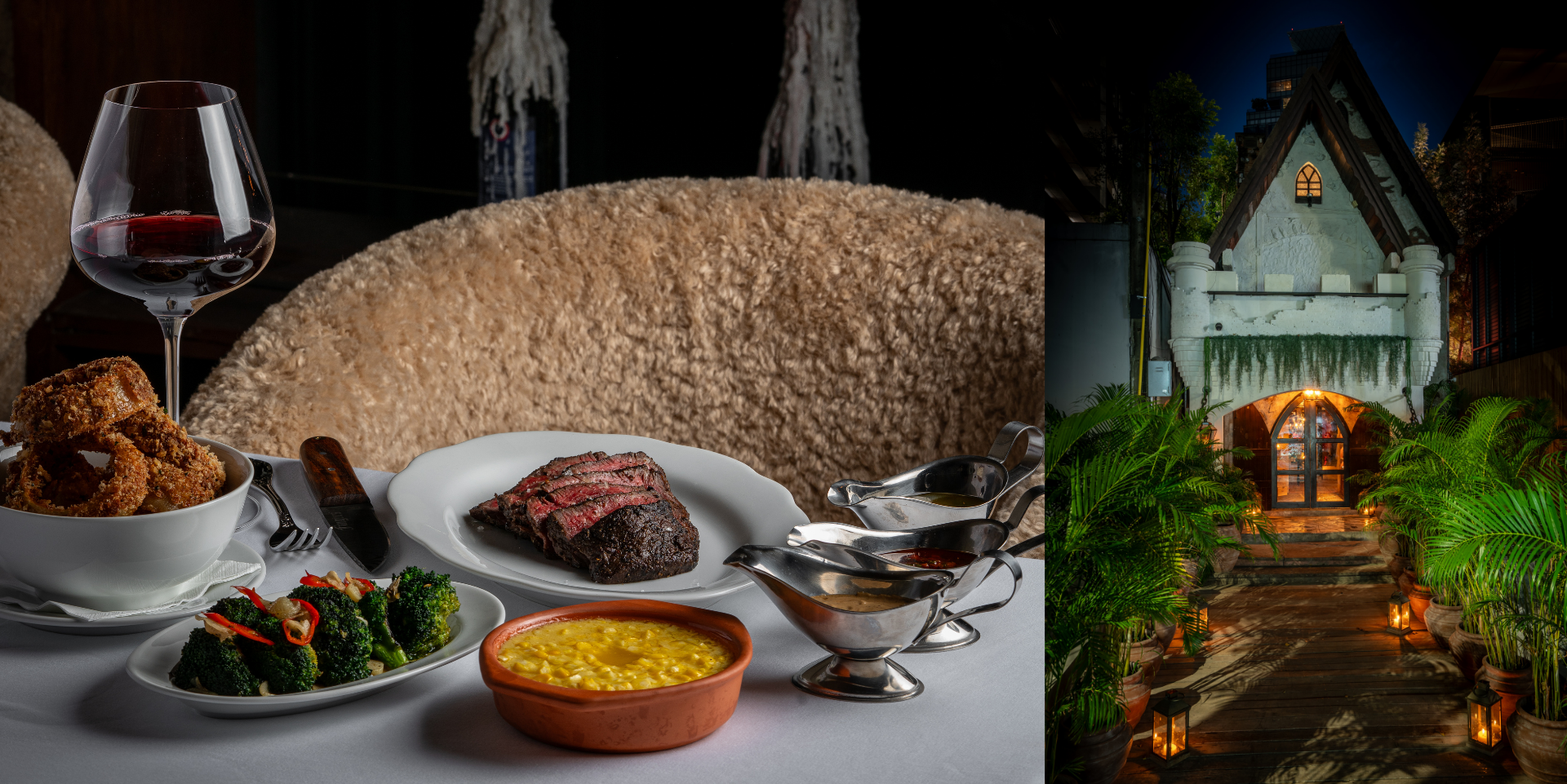
For me, that itch was specifically a Steak house, something that is native to Chris, and we always wanted to bring that to Asia in a way that felt genuine rather than decorative.
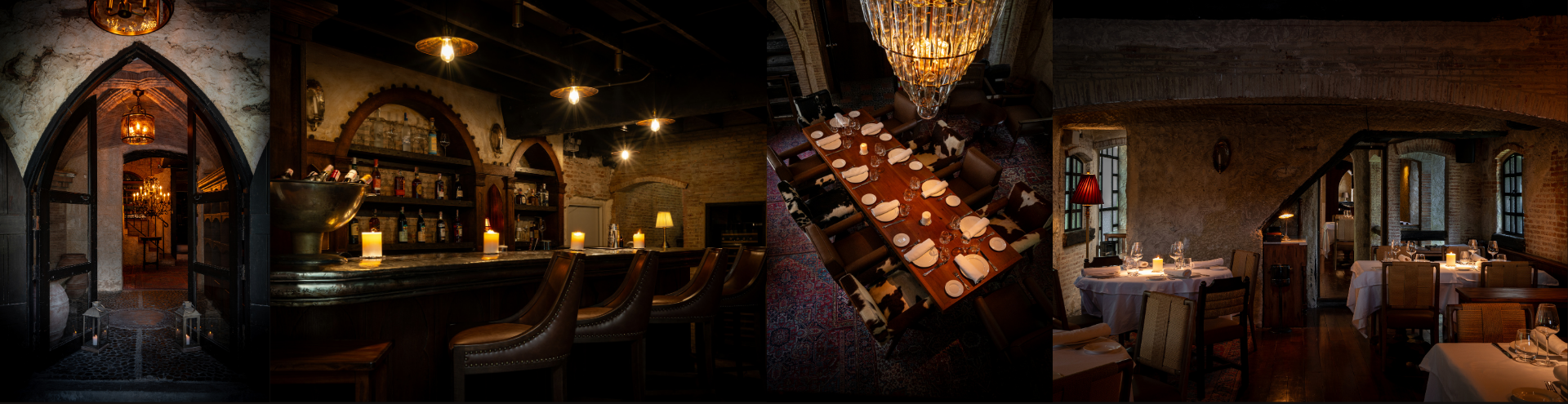
Chris brought his own deep relationship with that world, the castle gave us the space to do it properly, and something clicked. This wasn't a market opportunity, it was something we actually needed to build.
What is the story behind choosing this name for the restaurant, and how does it represent the energy you want to bring?
"Quilombo" carries real historical weight, rooted in the free communities built by escaped enslaved Africans in Brazil, places of resistance and fierce belonging. But in Argentine slang, it means beautiful chaos. A wonderful, lively mess.
Both meanings felt true to what we wanted to build. A place that's liberated, alive, and genuinely itself , not over-curated or sterile. That tension between history and celebration is exactly the energy we want in the room every night.

What parts of your own dining memories or personal philosophies are embedded in Quilombo?
Time at the table is never wasted, that's probably the core belief behind everything here. The best meals we've had in our lifes, whether in Spain, Argentina, or anywhere else, were never really about the food alone. They were about the pace, the generosity, the sense that nobody was in a hurry to be anywhere else. That philosophy is embedded in the experience we've designed at Quilombo.
We also believe a great restaurant should make you feel something before you even eat, the moment you arrive should shift your mood. The castle gave us that gift. We just had to honour it.
What’s one dish that represents the journey of the restaurant?
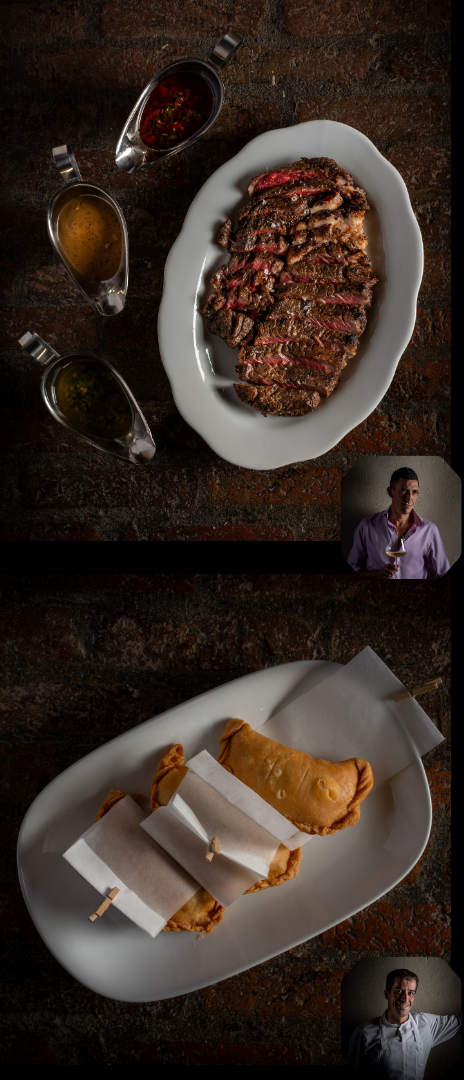
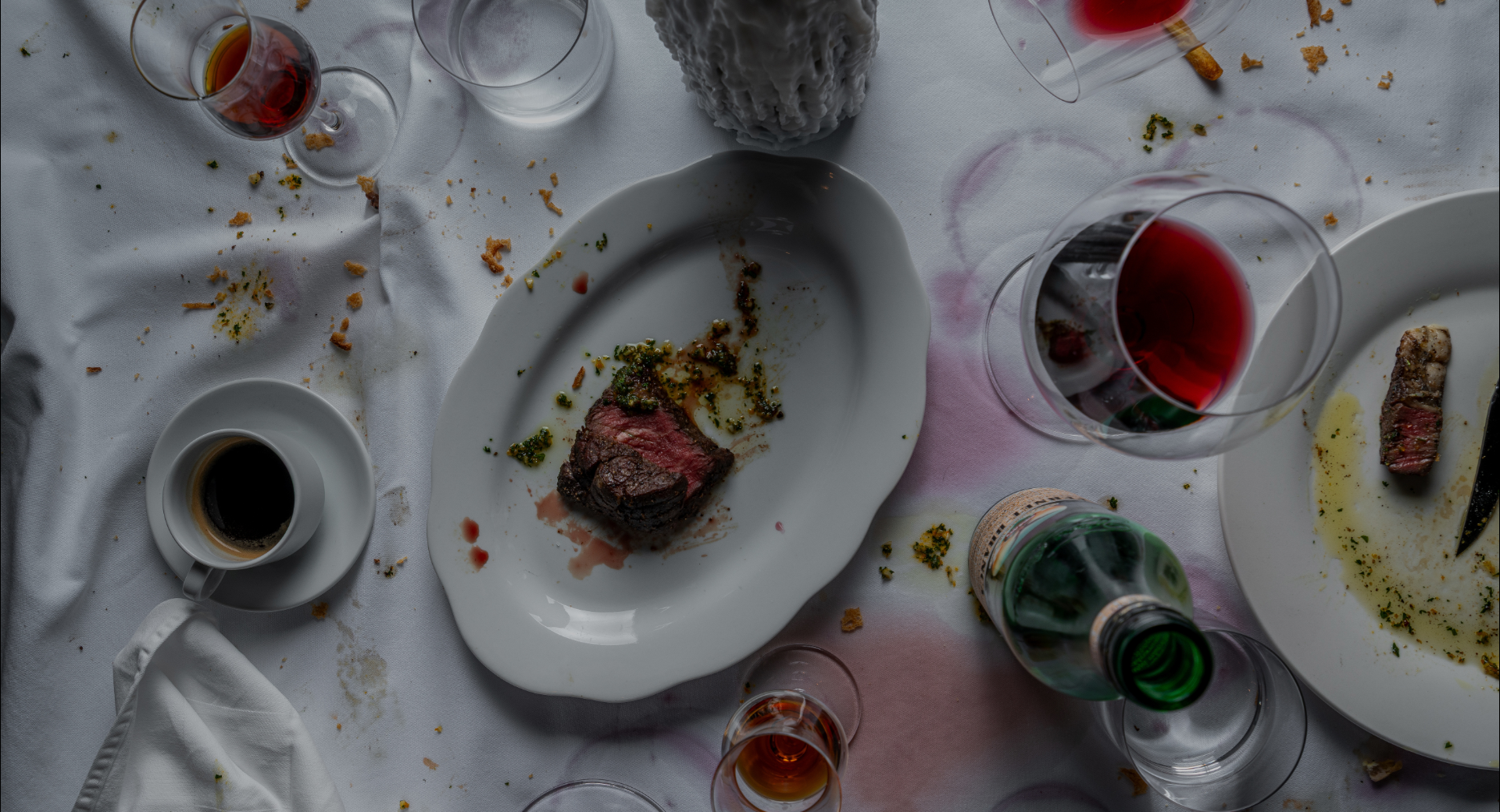
The “Quilombo steak”’ on the parrilla. No sauce, no theatre, just exceptional beef, fire, salt, and time. That dish captures the restaurant's philosophy completely: restraint as the highest form of confidence.
The truest Argentine tradition says trust the ingredient, trust the fire, trust the guest. That discipline, knowing what not to do , is something Chris have refined over 30+ years in hospitality, and Quilombo is where it finds its clearest expression. - Manuel
For me, the dish that best represents the journey of Quilombo is our empanadas—either the classic beef or the spinach and cheese. They look simple, but they demand real technique and precision: a perfectly crisp dough, balanced folding, and a filling that’s deeply flavorful.
When done right, they transport you straight back to your grandparents’ kitchen—warm, comforting, and full of memory. That sense of nostalgia and craftsmanship is at the heart of what we do. - Chef Ferran
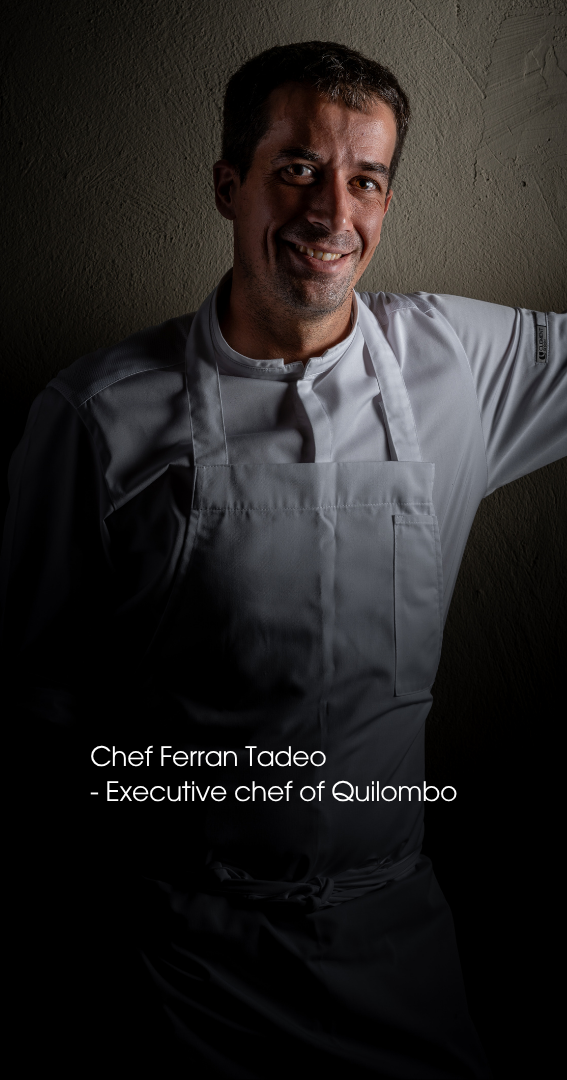
Coming from Catalonia, do you see parallels between Catalan cuisine and the Argentine parrilla philosophy?
Coming from Catalonia, cooking over fire feels very natural to me.
Catalan cuisine is deeply connected to the grill—from calçotadas to lamb, chicken, pork, and even fish cooked over open flames.
If we think about arroces and paellas, they were traditionally cooked with leña (wood), which adds another layer of connection.
These similarities make it intuitive to work with Argentine parrilla: both cuisines respect the ingredient, the fire, and the time it takes to do things properly.
How do you find space for creativity within the philosophy of Quilombo?
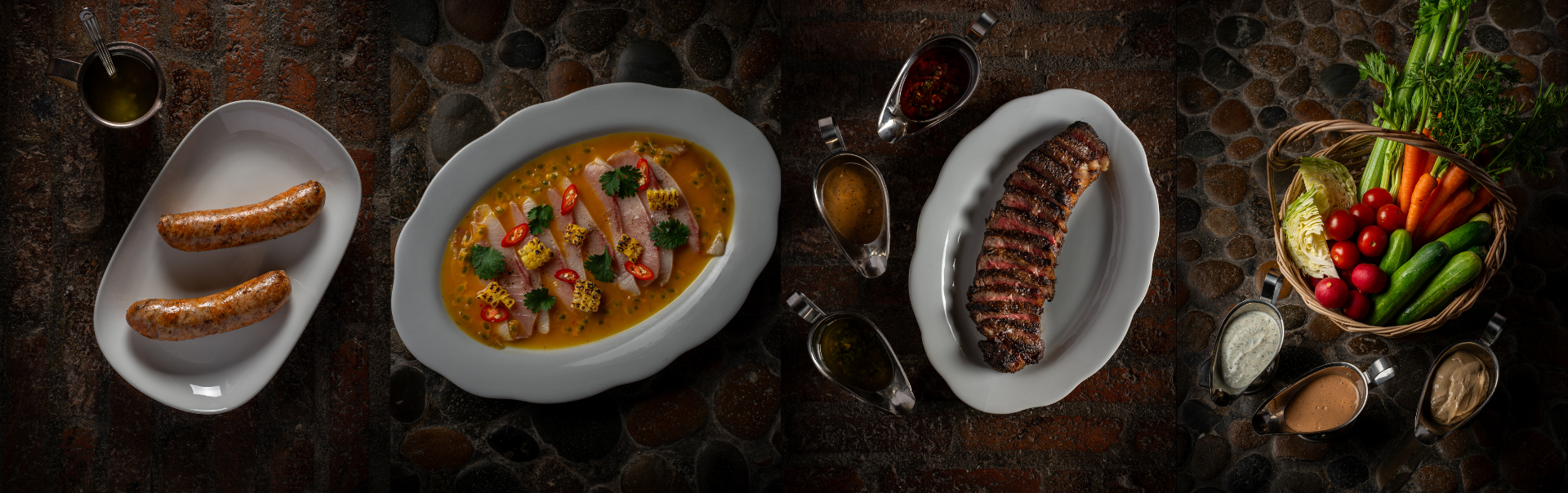
Because Catalan and Argentine cuisines share so many techniques around fire and grilling, creativity comes quite organically. Working alongside Chris on the creative direction of Quilombo has been an amazing journey.
By combining both of our experiences, we’re able to reach the final dishes more naturally—always respecting the philosophy of simplicity, fire, and product—while still achieving results that feel refined, personal, and full of character.
What chapter do you hope Quilombo will write in Bangkok's dining scene?
Bangkok already has one of the most exciting dining scenes in the world; sophisticated, curious, constantly evolving.
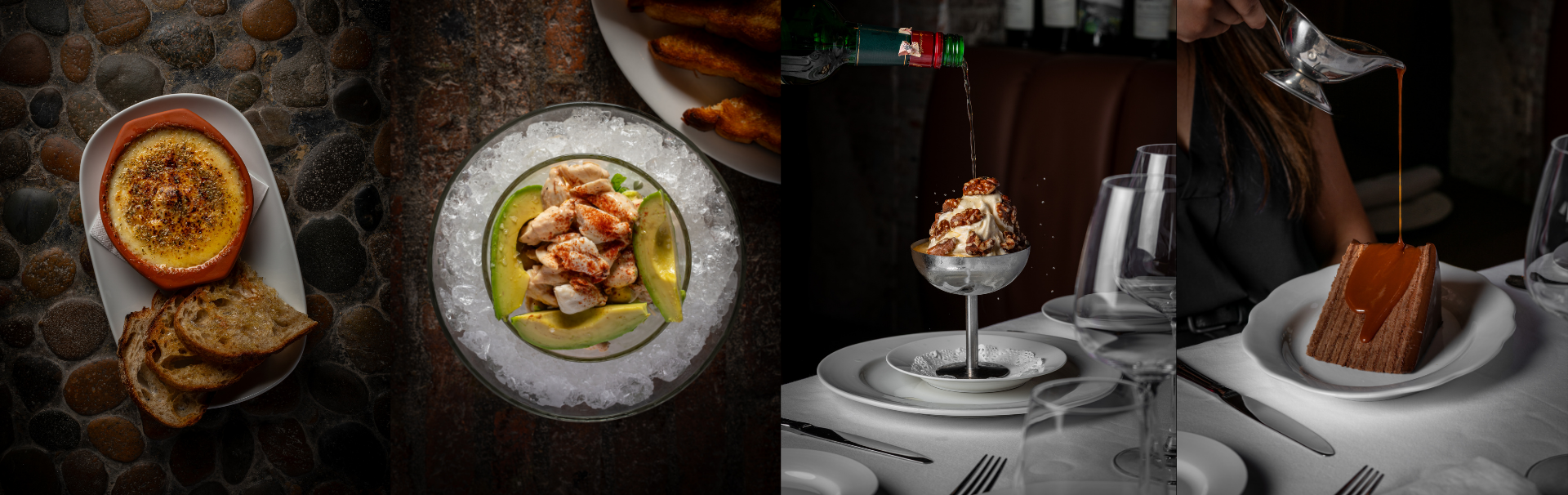
What I think Quilombo adds is depth and specificity. A genuinely immersive experience built around a particular culinary tradition, in a space that has real soul. I hope the chapter we write is about transportation, the idea that a restaurant can move you completely, not just feed you well.
And I hope it adds to Bangkok's identity as a city that doesn't just absorb global influences but gives them an entirely new meaning.