Culture in a Clay Jar, Inside Onggi Bangkok with Chef Injin Kim
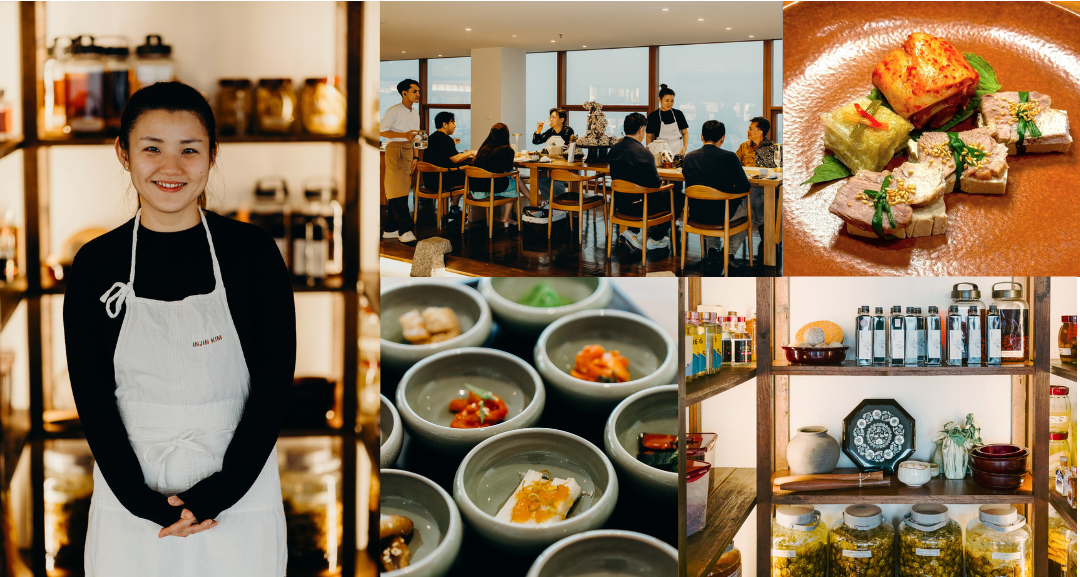
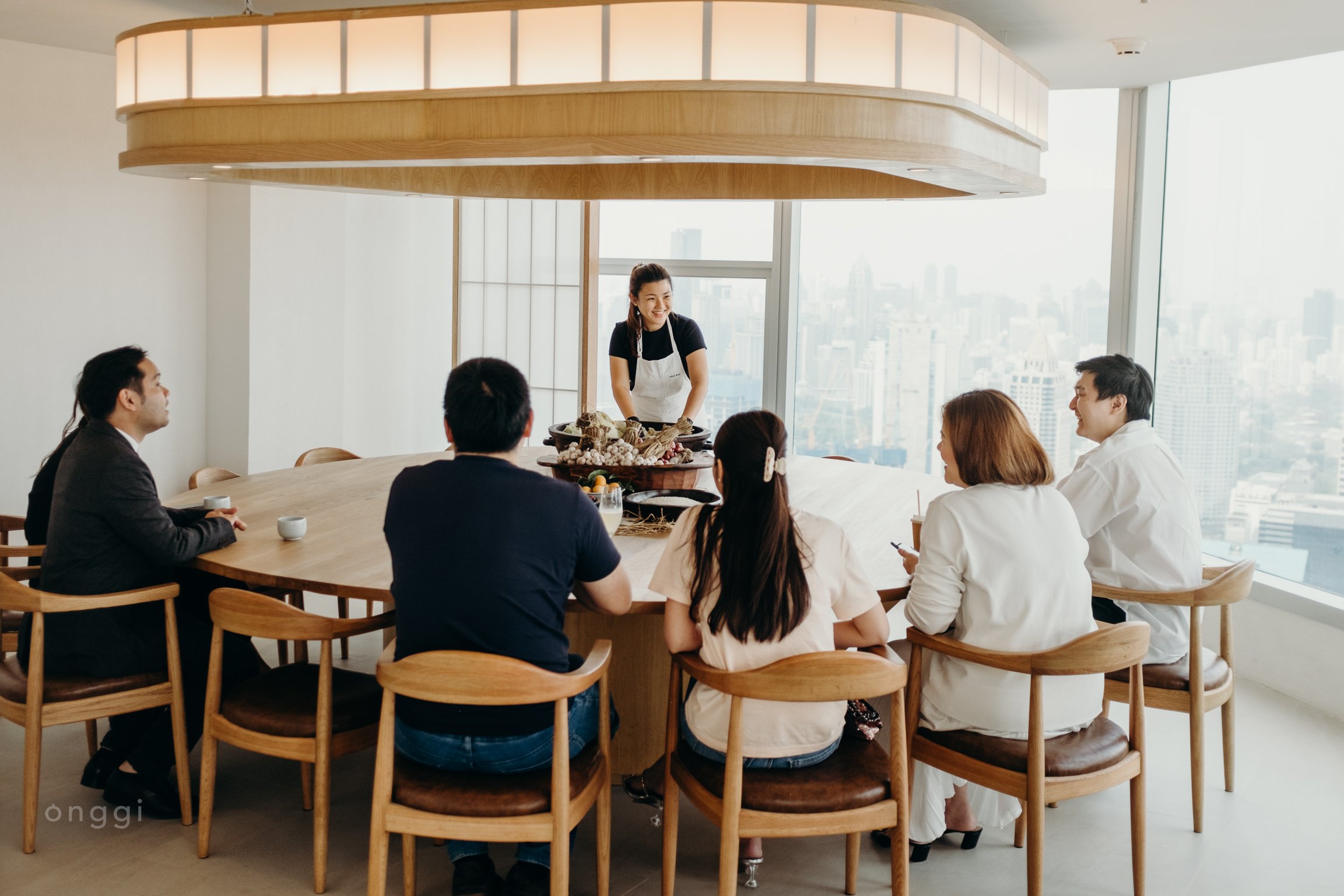
High above the Bangkok skyline, Onggi Bangkok offers a perspective. One that looks inward as much as it looks outward. Led by Chef Injin Kim, Onggi is a reflection of deep culinary roots, where the complexity of fermentation and tradition has been appreciated.
Through years of experience and reverence for her craft, Chef Kim has turned food into a vessel for memory, preservation, and identity. In this Q&A, Chef Kim shares her inspiration behind Onggi, her commitment, and her vision for presenting Korean cuisine. What unfolds is that food is a cultural archive, a living tradition, and a story still being written.
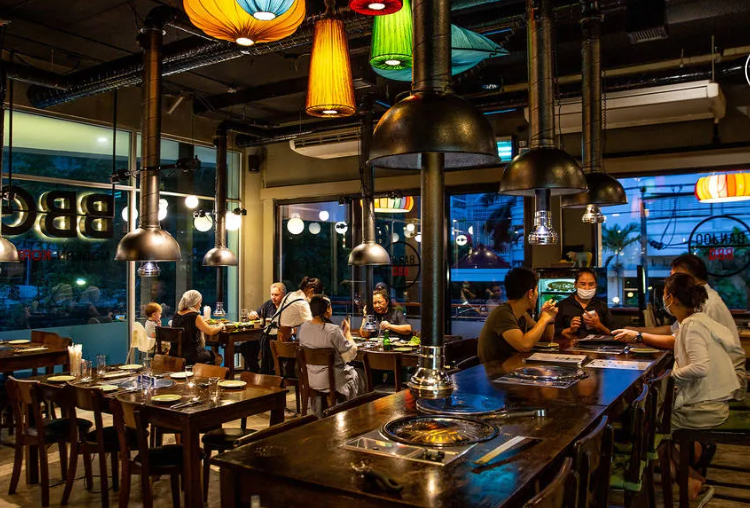
1. Many diners may know you first from Banjoo. What do Banjoo and Onggi each reveal about different sides of Korean culture and identity ?
Both Banjoo and Onggi represent equally important parts of our culture and cuisine.
Banjoo is a Korean barbecue restaurant that has in its spirit the easy going, end of a work day ‘attitude’ - the best part of the salary men’s day. Which is what Korean barbecues in Korea often reflect, the refuge of the high intensity work culture.
Onggi on the other hand is a place to treat others for special occasions, an intrinsic part of Korean culture.
2. What’s the meaning and representation behind the name 'Onggi' ? Is it a vessel, a metaphor, a memory?
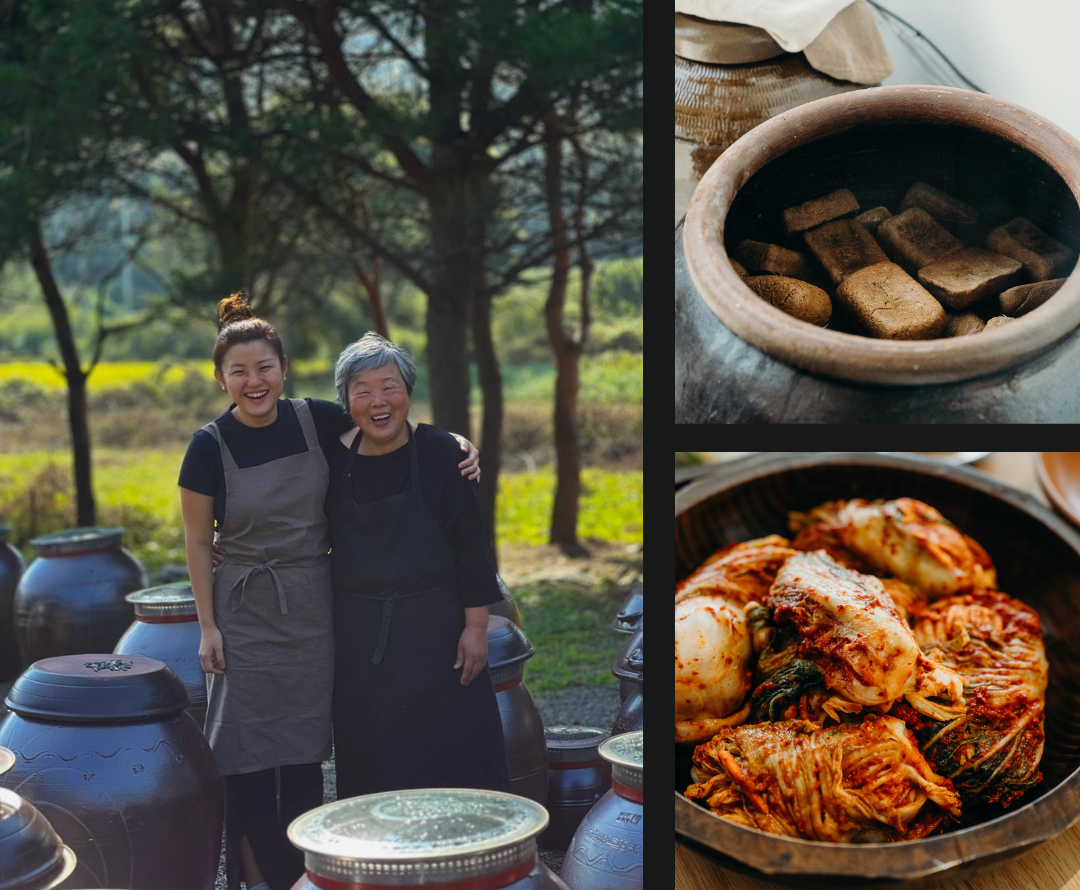
Onggi, the vessel is a cultural artifact that stands at the heart of Korean culture. Onggi gave rise to the flourishing of Korea’s unique fermented food culture - from ‘Jang’ the fermented soybean pastes, Makgeolli, Kimchi…..
It completely shaped our history. Onggi carries the ultimate representation of ’Korean tradition’.
3. In working with local produce and Thai terroir, does it open new creative pathways of fermentation for you?
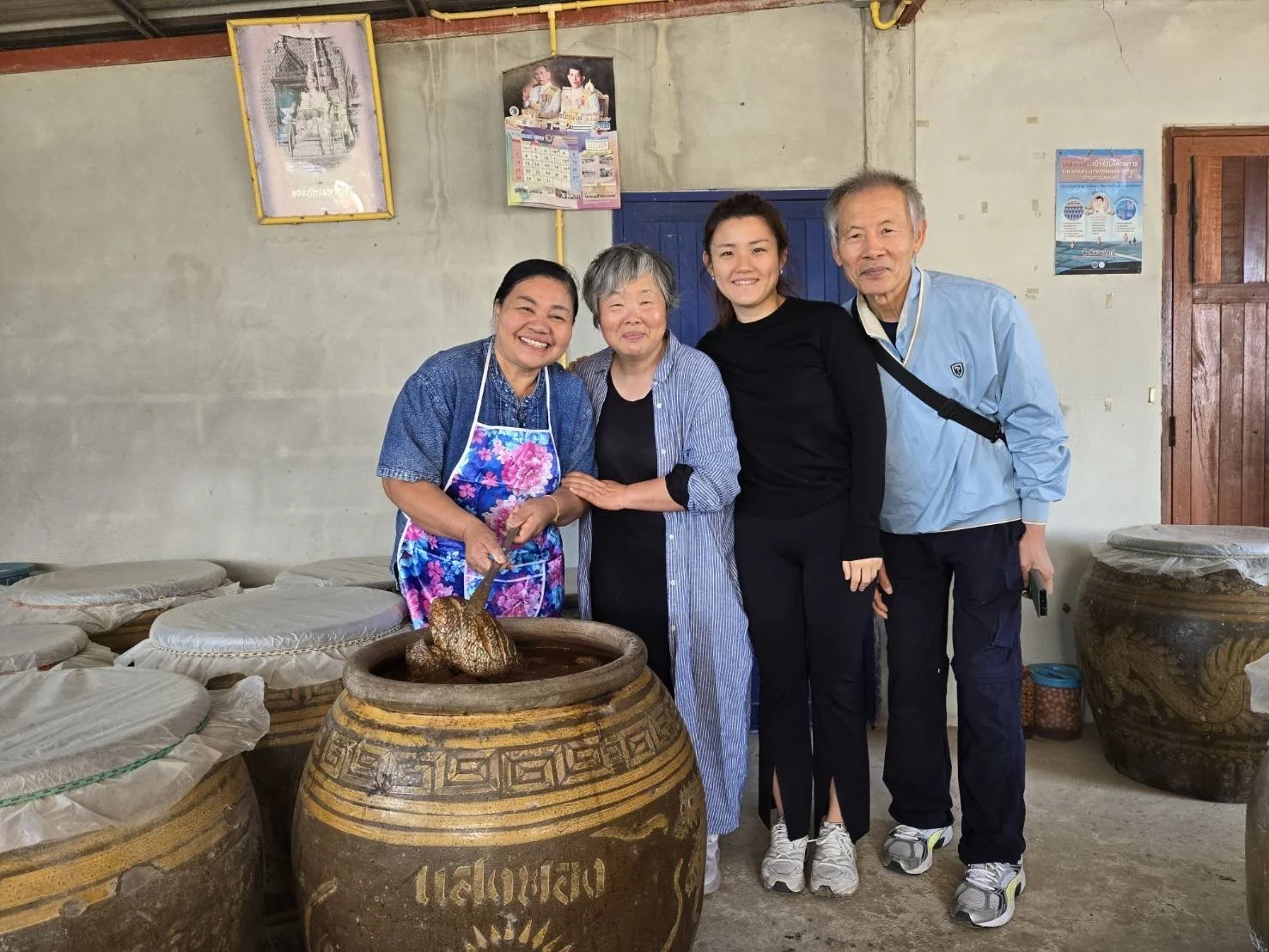
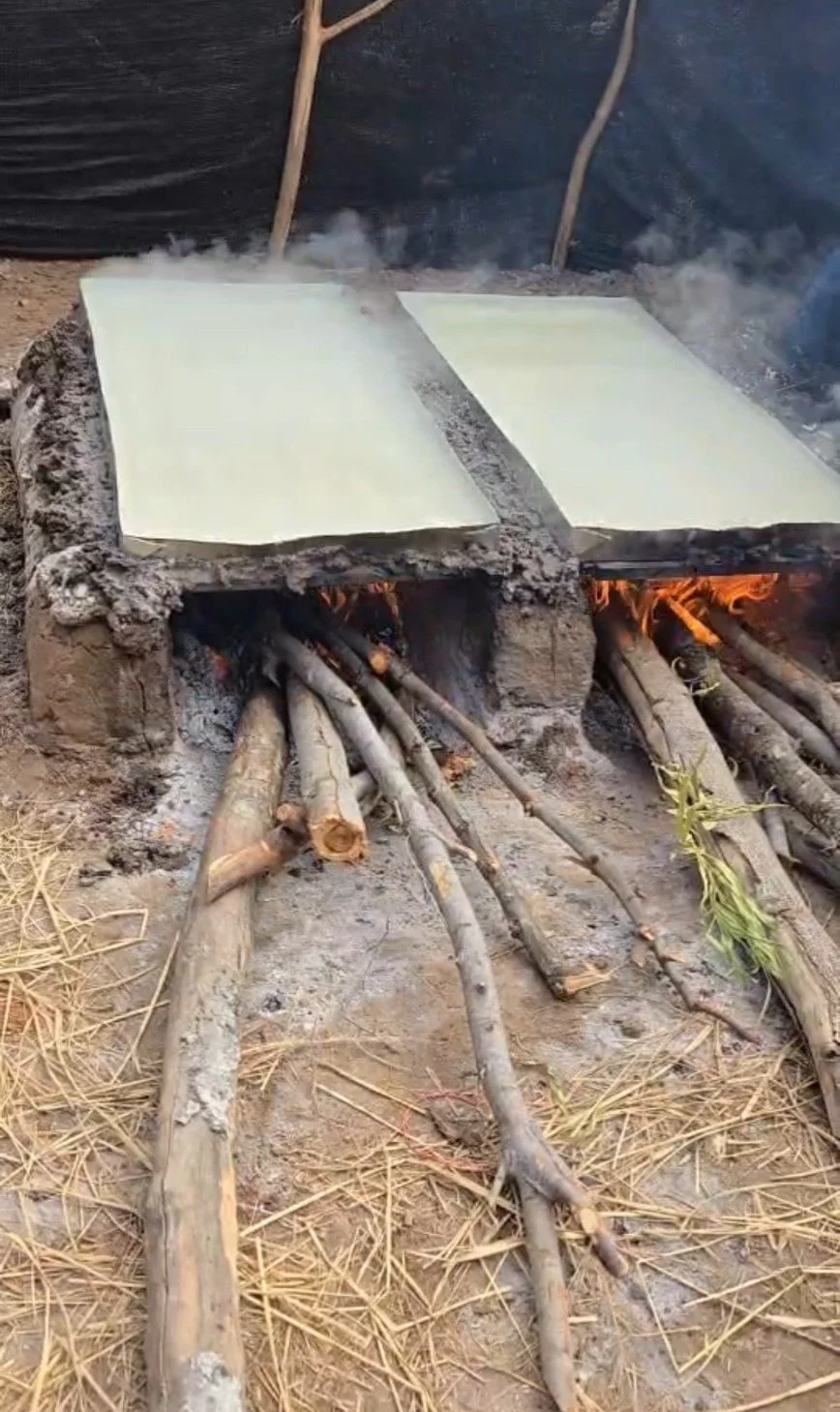
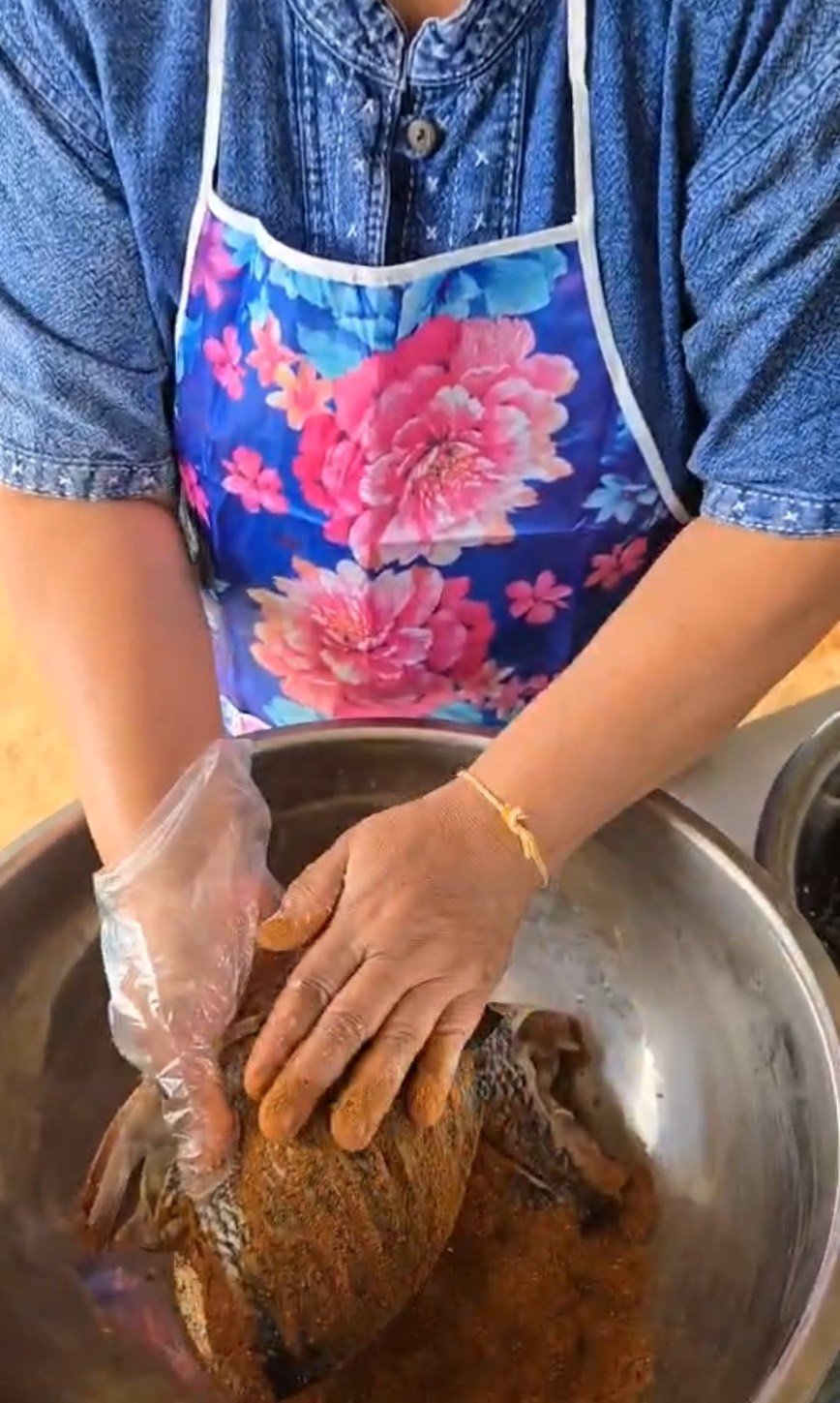
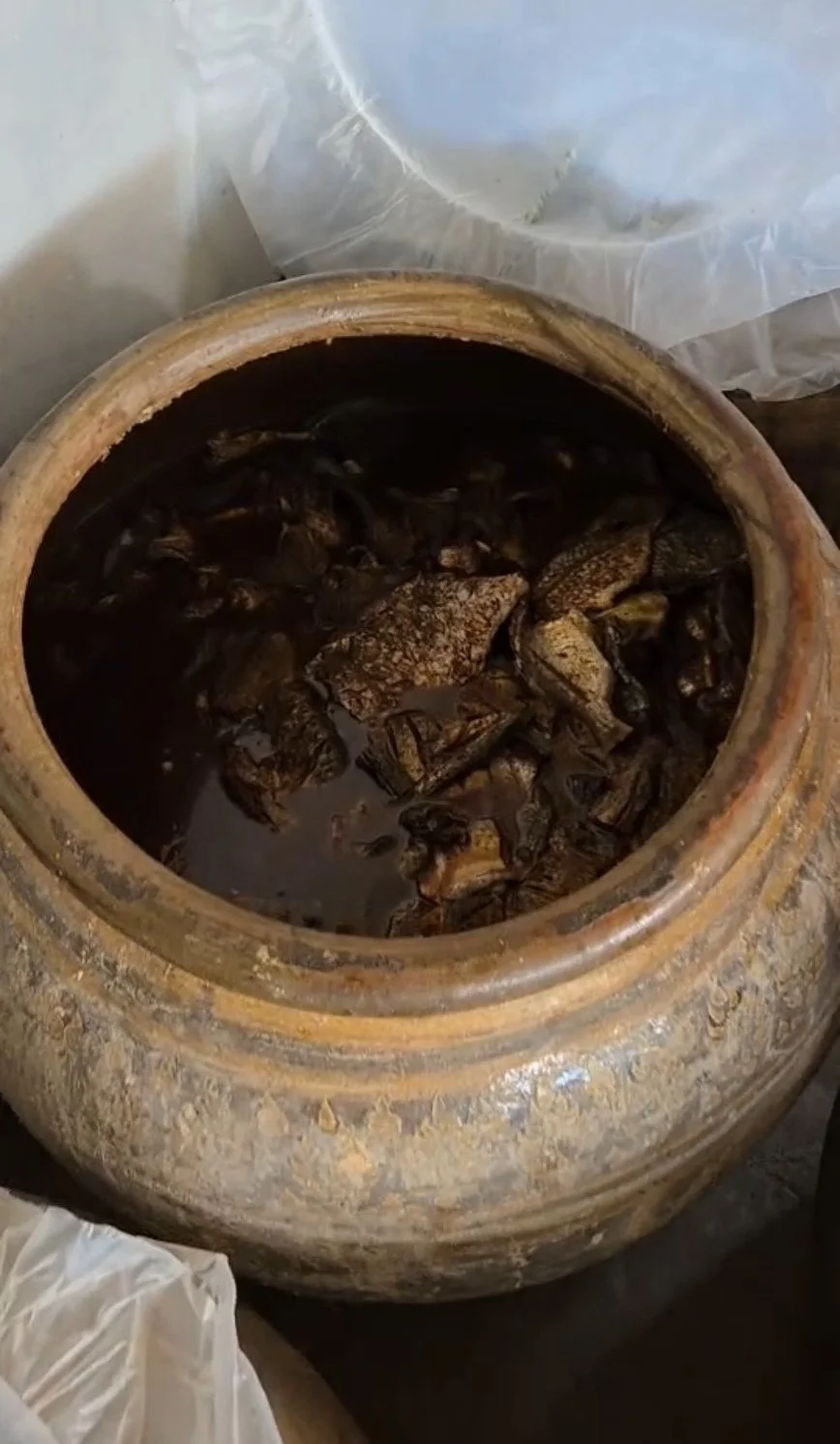
In order to ferment local ingredients with local terroir considerations I had to learn about Thai fermentation practices - wisdom from local fermenters.
Subtle changes conceptually and in terms of skills. Definitely opened a whole new world of creativity.
4. Each fermented ingredient has its own characteristic and rhythm. How do you put together such independent, living elements in the Hanjeongsik experience at Onggi?
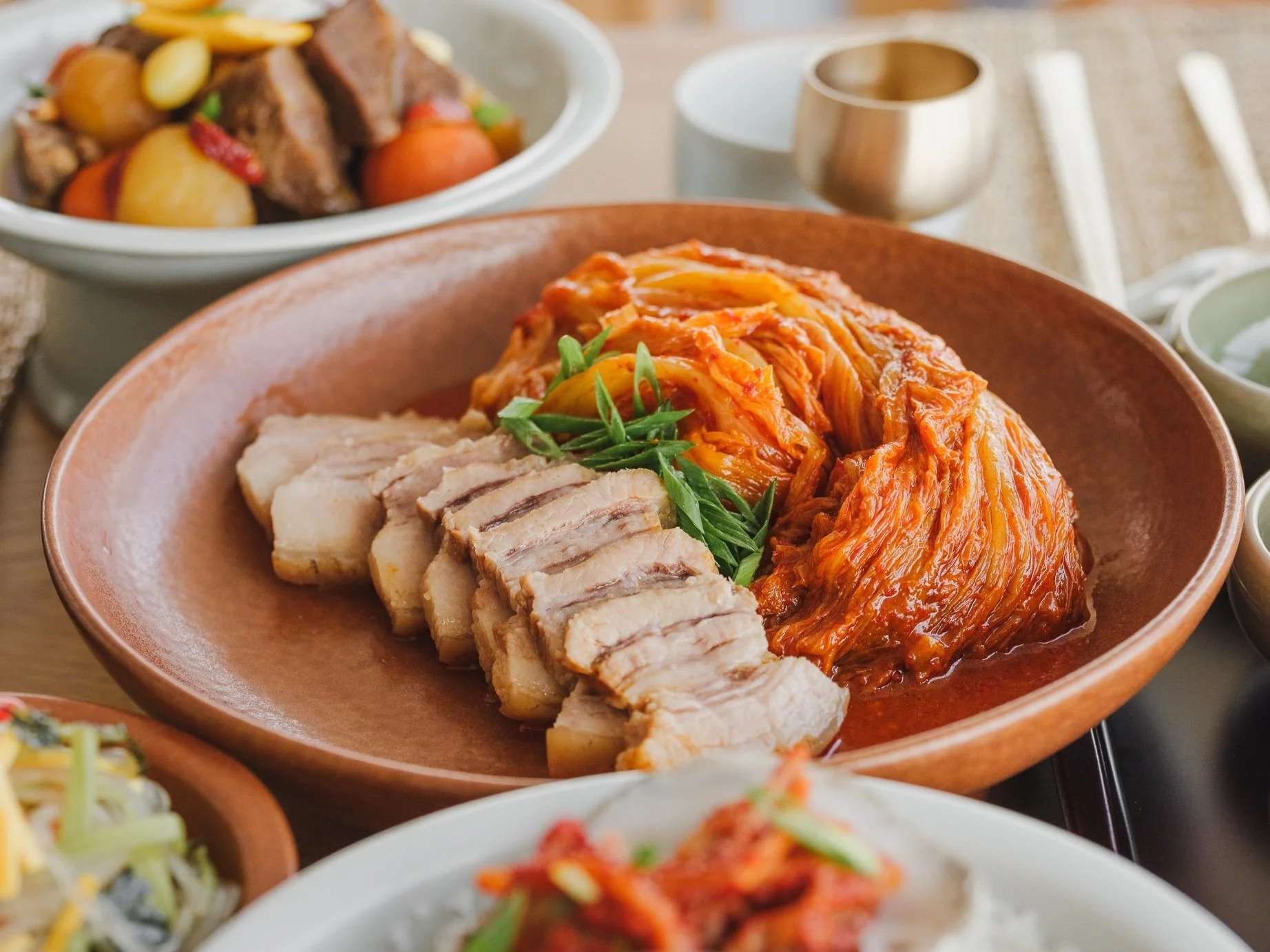
A common theme in Korean culture and cuisine is Eum Yang (Yin & Yang). This constant dance to balance elements is seen in Hanjeonshik. Colors, flavors, textures are often placed in juxtaposition to create harmony. For example, bright red colors of crunchy spicy kimchi is served with smooth, soothing, plain white tofu.
5. Are there any particular dishes on the menu that you think best represent your story?
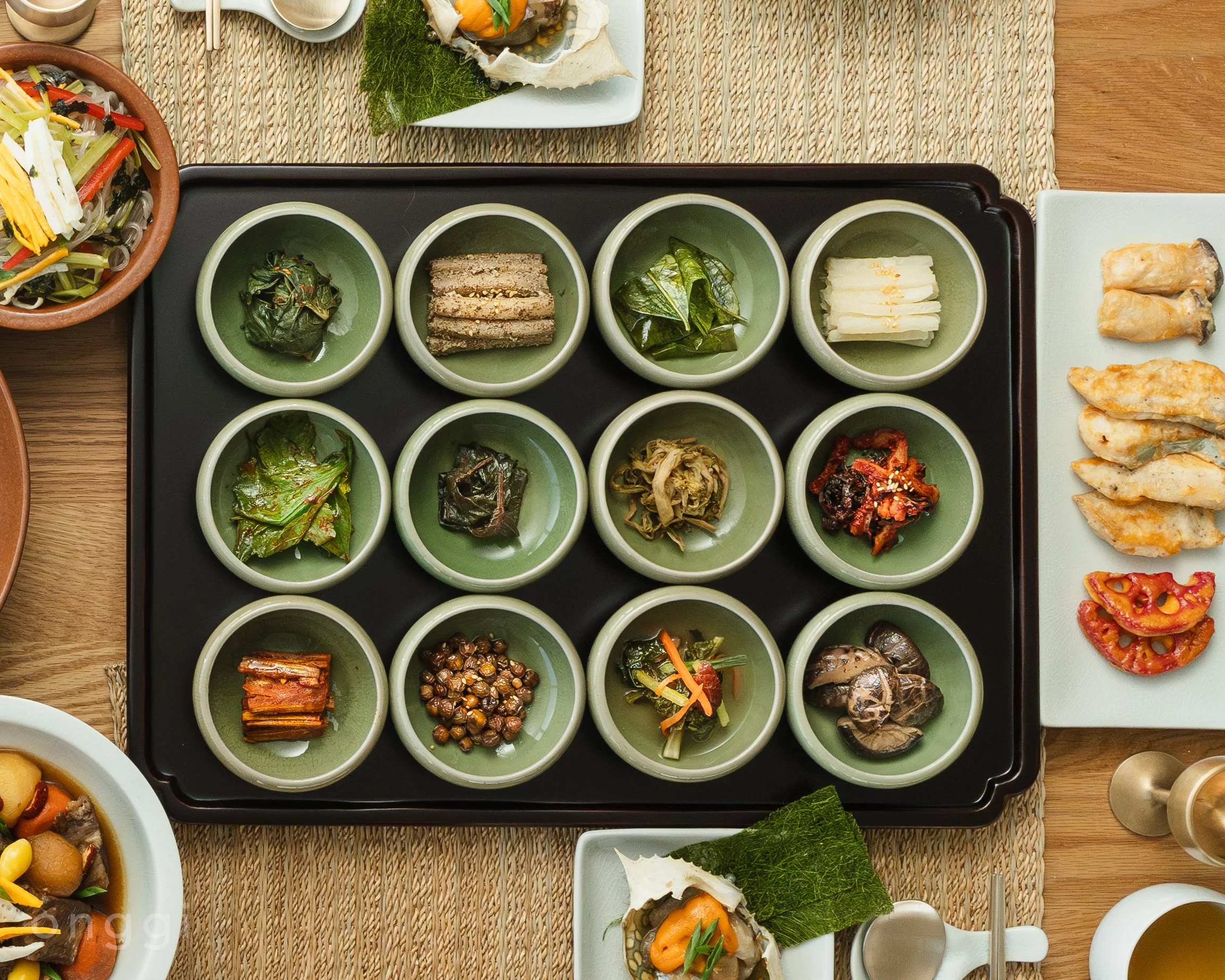
Our Banchan - the array of seasonal side dishes that are a theme in our cuisine.
Korean food is food served for the table, meant to be shared. When eating Korean food you are constantly aware of what the other people in your table are eating and part of the pleasure that comes with the meal is making sure that they can eat well.
We have a concept for this called, 배려 bae-ryeo.
A gesture as placing a specific side dish in front of them, to show them that you care about their needs, is an example of 배려 bae-ryeo. This is a core theme in my story. Sharing.
6. Was there a moment when something didn’t translate the way you expected? How/Who did you approach that moment of tension?
A few moments. For example, Thai vegetables are more ‘watery’ than Korean vegetables, which translated into ‘mushy’ ferments. I had to make many adjustments to yield successful fermentation.
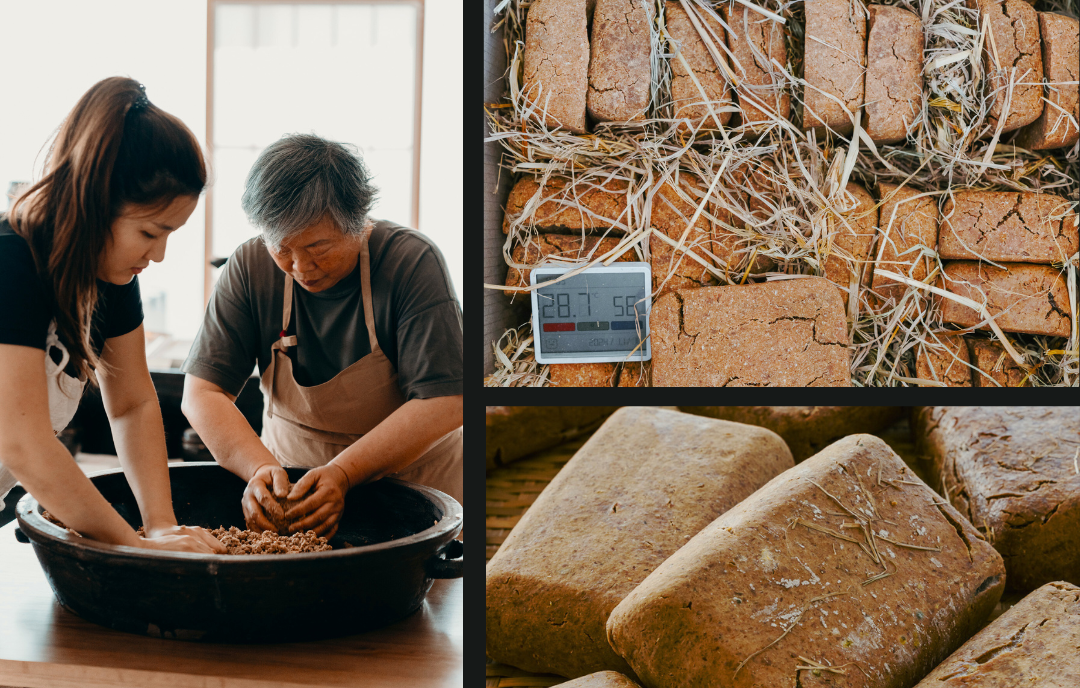
At first there were also major issues with the making our ‘Jang’ (fermented soybean pastes, such as doejang, gochujang, etc.) All my starters that were brought from Korea didn’t resist the Thai environment. I had to make our starters, Nuruk and Meju, here in Thailand and this allowed for successful fermentation of the soybeans.
7. Do you believe food should reflect where it’s made, or where it comes from? What happens when those two places begin to merge?
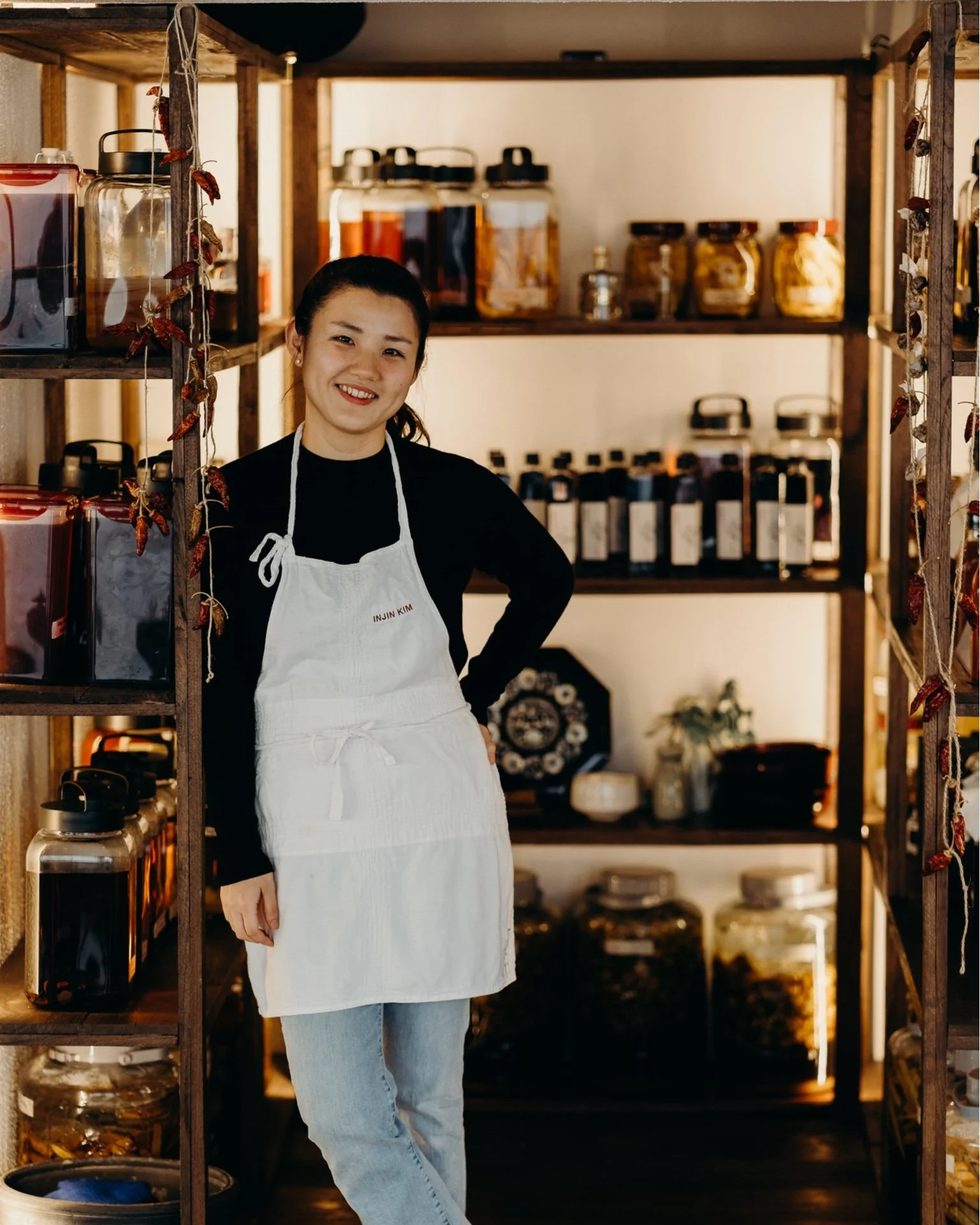
So this is our story. Generational Korean fermentation practices with local Thai ingredients. Most of the concepts and skills translate, and some needed to be adapted, re-created, perhaps more than one would imagine.
Please come and try Onggi's hanjeongsik.