The Visionary Stage of Counter Culture Where Passion Find

1. Counter Culture began during a time of uncertainty. How did the quiet of the pandemic inspire a loud new idea?
During the COVID era, I found myself thinking: there must be chefs out there who had lost their jobs, chefs who didn’t want to open traditional restaurants, and aspiring cooks searching for a space to begin something new. What they needed wasn’t just a kitchen — they needed a stage. A place where they could bring their creativity to life and share their culinary voice with the world.
2. The name Counter Culture evokes both a literal and metaphorical meaning. How does this duality reflect your beliefs about food and creativity?
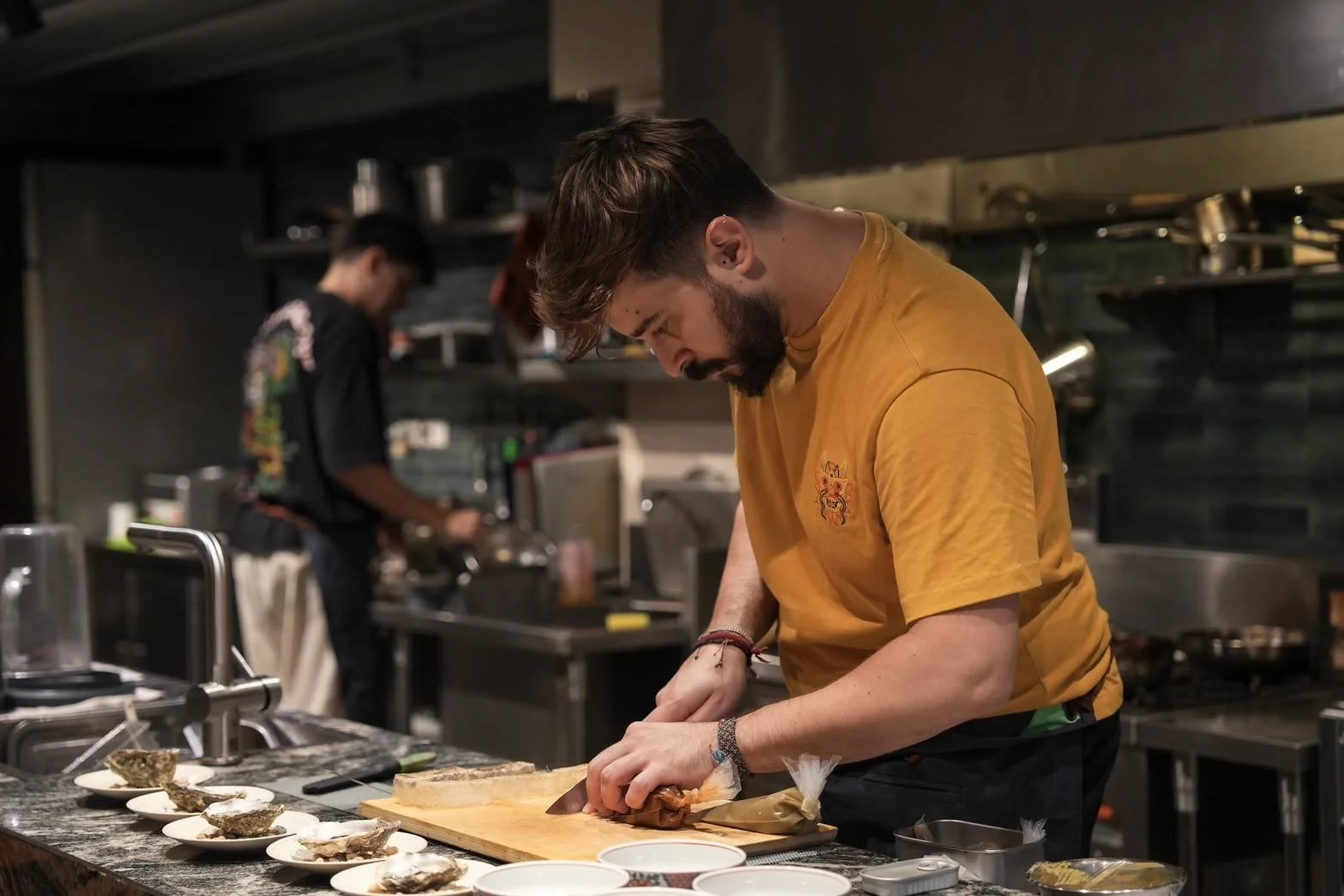
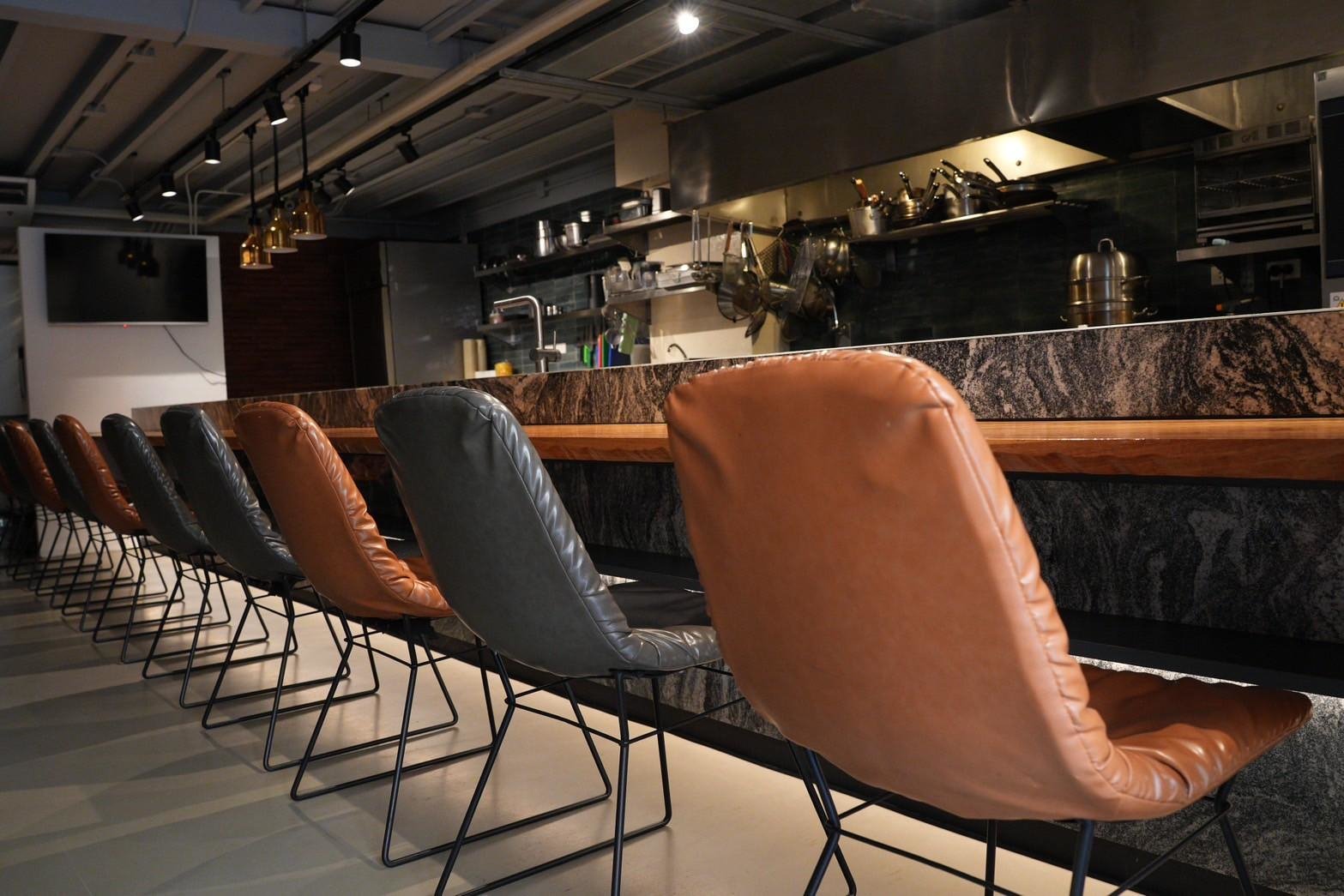
“CounterCulture” carries two powerful meanings. On one hand, it represents a rebellion against the mainstream — a defiance of the ordinary. On the other, it celebrates a vibrant food culture centered around the counter: a space where food is prepared and served, fresh and intimate.
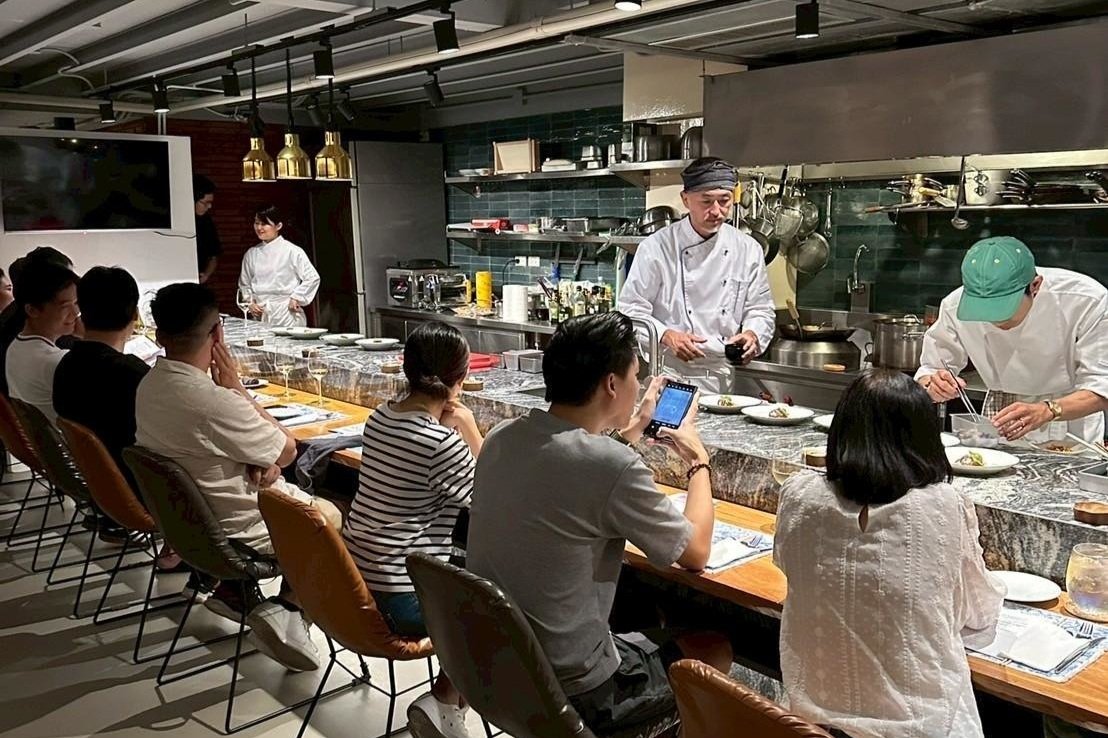
I’ve always believed that the most delicious food is served hot, straight from the chef’s hands, across the counter. There’s something magical about watching a chef in action — every movement, every detail unfolding right before your eyes. It’s thrilling, captivating, and turns dining into performance.
At CounterCulture, chefs are given the freedom to experiment — to break rules, test limits, and push boundaries. Many of them come from environments where they’re boxed in by expectations, budgets, or restaurant politics. But here, they’re free.
This is a space where chefs are the stars, the storytellers, the soul. No owners. No bosses. Just pure creative control.
And that’s the heart of our slogan: Chef’s Counter, Chef Culture.
3. How would you describe the kind of ‘hunger’ Counter Culture is meant to feed?
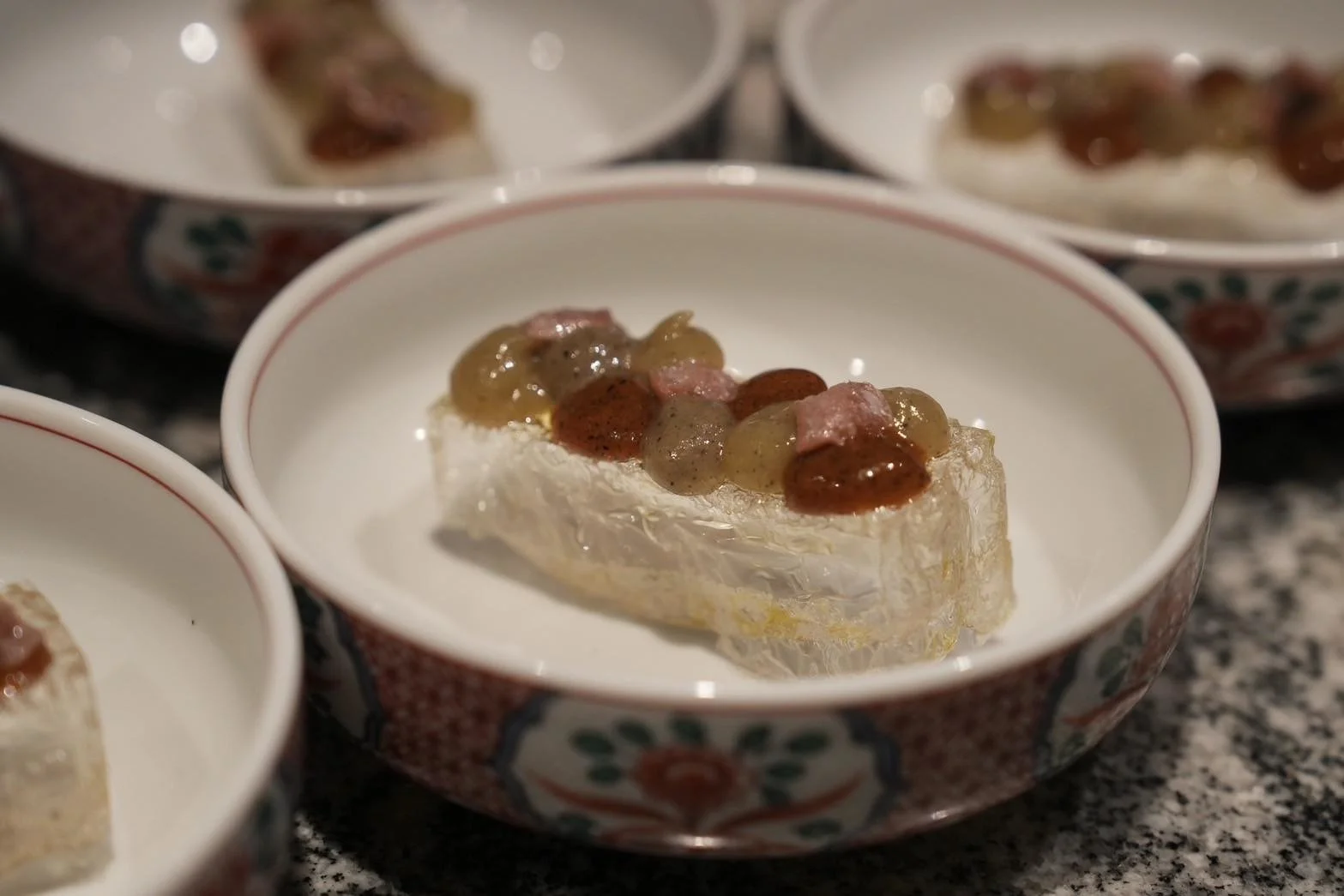
The people who dine at CounterCulture aren’t ordinary guests — they’re culinary adventurers. They come with open minds and brave palates, ready to taste something new and unexpected.
Often, they don’t even know who the chef is — maybe just a name or a short bio. Sometimes, they have no clue what the food will be like. But they still make the reservation. That leap of faith — that curiosity — is what makes them so special.
4. Many chefs here cook from a deeply personal place. How do you see emotion playing a role in culinary storytelling?
Emotion is the secret ingredient that transforms food into storytelling.
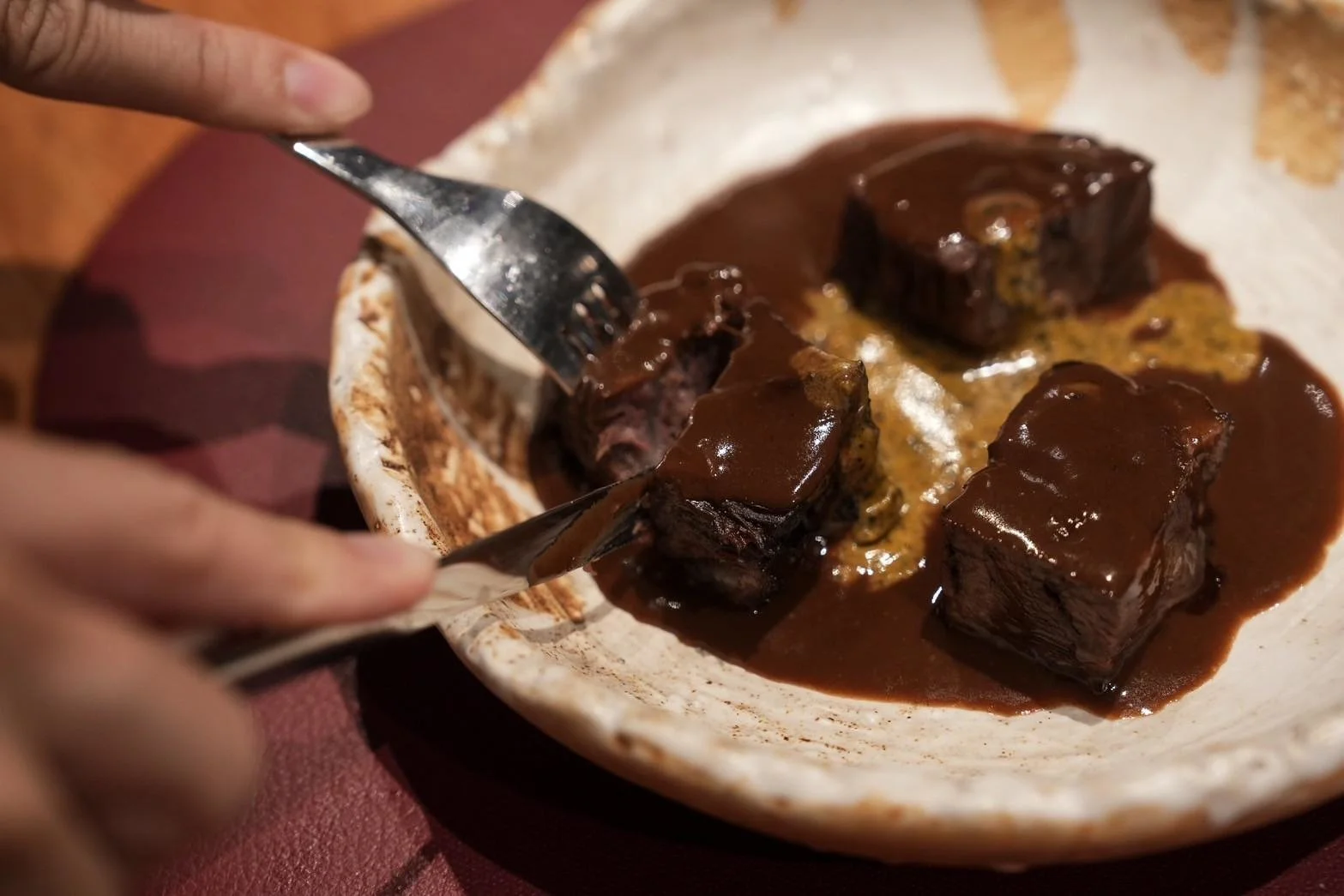
When a chef cooks from the heart, they aren’t just plating a dish — they’re serving up memories, identity, passion, and history.
You can taste the difference when food is born from something deeply personal. It’s no longer just a meal — it’s an experience.


5. Counter Culture gives a platform to culinary enthusiasts, how do you define success for these creators.
To me, any person who stands behind the open kitchen at CounterCulture — alone, vulnerable, fully seen — has already succeeded.
It takes courage to show your craft in real time, to let your cooking be part of the conversation. That level of honesty and bravery is, in itself, a mark of true success.
What amazes me is that many of the chefs who’ve cooked at CounterCulture reached out themselves. They sent direct messages, expressing their passion and desire to be a part of this journey. I didn’t chase them — they found us.
That initiative, that eagerness, speaks volumes. It tells me we’re building something real.
Most of these chefs have come from abroad. Personally, I dream of seeing more emerging Thai chefs take this stage — to share their flavors, their stories, their soul.


6. How do you keep the space inclusive yet intentional as it grows through word of mouth?
Honestly, I don’t have a strict formula for who gets to cook here. I welcome all kinds of chefs — but I look for something beyond technique.
If someone seems too focused on self-promotion or lacks real passion, I can usually feel it in our conversations. And that tells me they may not be the right fit.
Because here, it’s not just about titles or resumes. The person behind the counter doesn’t have to be a professional chef. They could be a home cook, a mom who makes incredible food for her family, a dad who loves cooking for his kids — anyone, from any background.
If they cook with heart, and bring a compelling idea, I’m more than happy to give them the chance to share it.
7. Please share a moment from a past event that reminded you why this space matters?
One event that truly moved me was the Jikasei Barcelona pop-up by Chef Tiago Cardoso da Silva.
He reached out directly from Barcelona, expressing his desire to make sushi in Thailand. A Portuguese chef, creating Japanese cuisine, in Bangkok — it was a collision of cultures that felt bold, fresh, and incredibly exciting.
The response was incredible. People loved it. And now, thanks to his courage and love for this country, Chef Tiago has opened his own sushi restaurant here in Thailand.
That moment reminded me why CounterCulture exists — to give passion