Sushi “Kuuya” An Invitation to EatChef Goji Kobayashi’s Omakase Counter
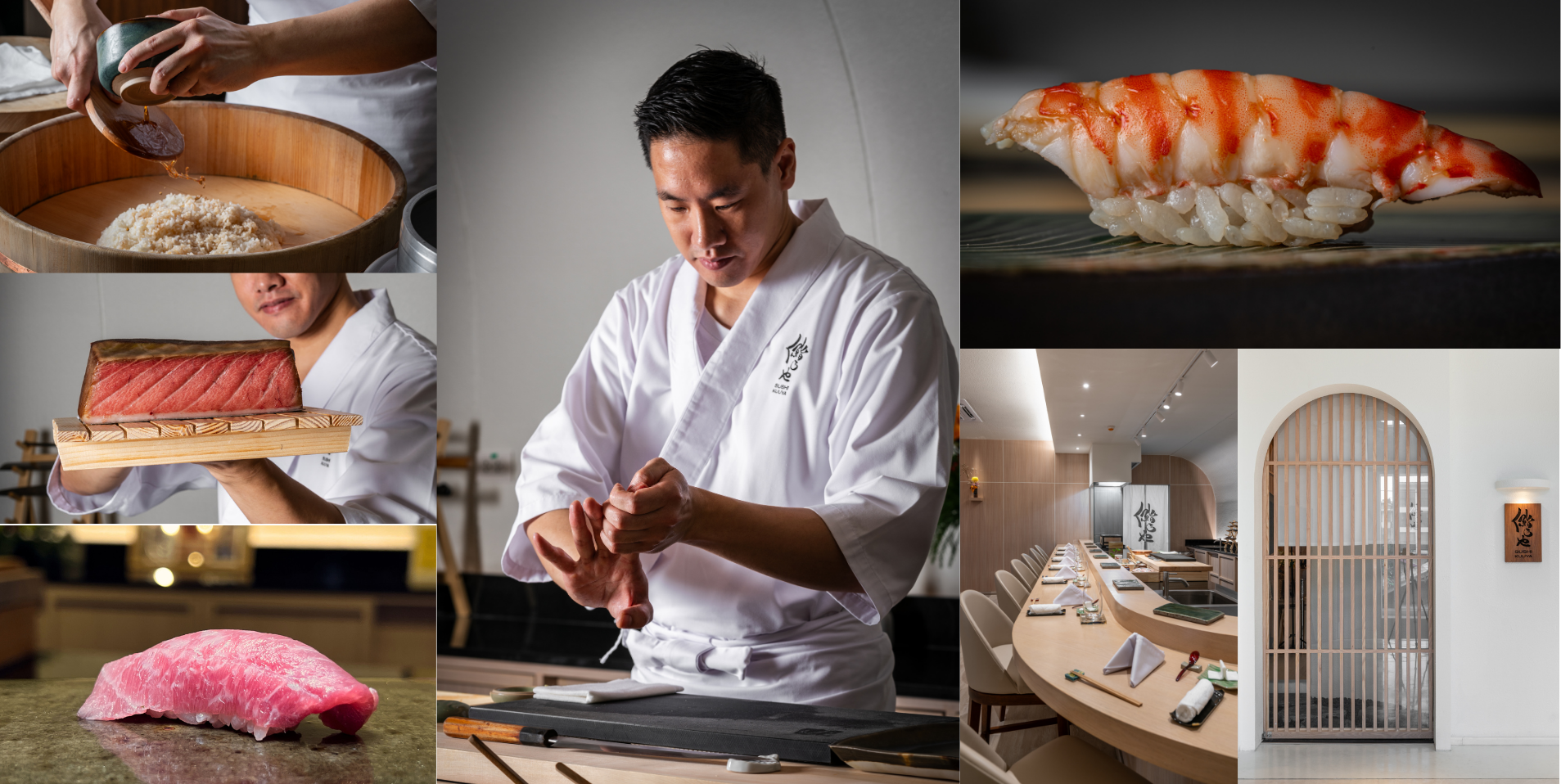
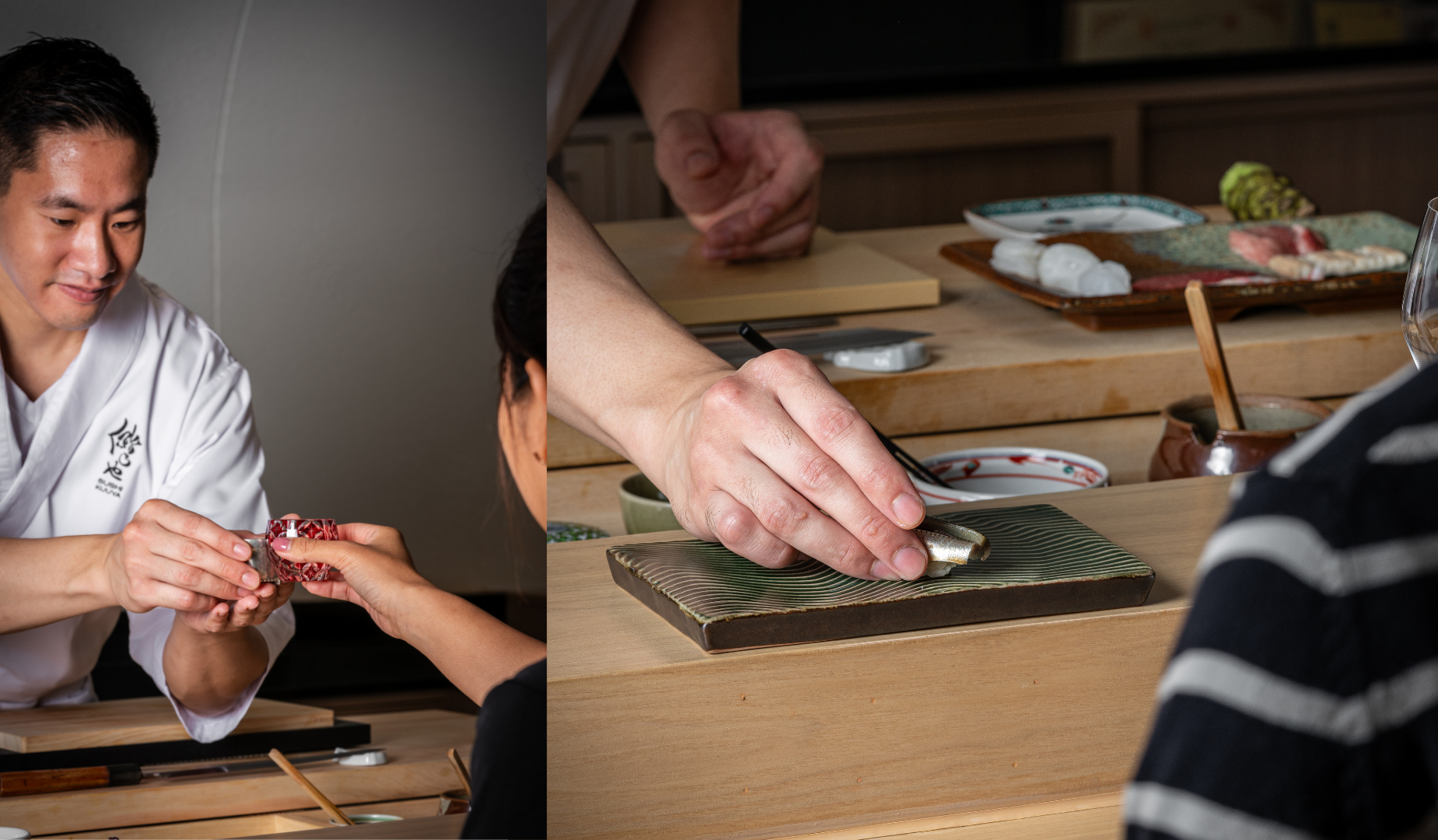
At Sushi Kuuya, courses are approached with quiet intention guided by simplicity, precision, and a deep respect for the craft. Leading the counter is Chef Goji Kobayashi, a Japanese chef with nearly 20 years of experience, having worked in Japan and the United States - including at a Michelin-starred restaurant in San Francisco. Here in Bangkok, he continues to refine his vision of sushi rooted in respect for the sea and the timeless craft.
In this article, Chef Goji reflects on the meaning of tradition today, the discipline behind the art of omakase, and the personal devotion required to preserve the beauty of tradition with every piece of sushi placed before guests.
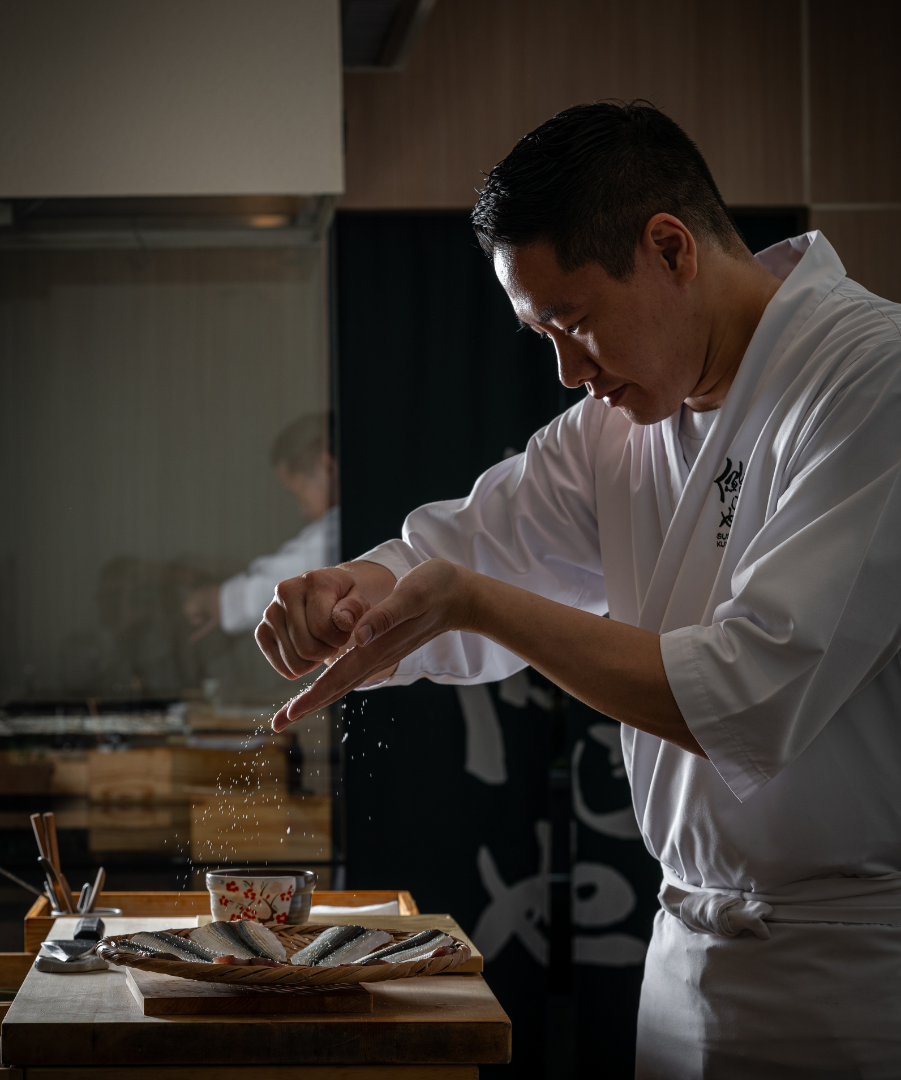
After nearly two decades working with sushi, what do you see differently now?
In the beginning, when I first got into the craft, I was more focused on improving myself and learning new skills. Now I put more focus on the ingredients and how to improve the experience of the guests.
In the near future, I would like to help inspire young chefs.
What has living and cooking here in Bangkok taught you about how food travels and evolves across cultures?
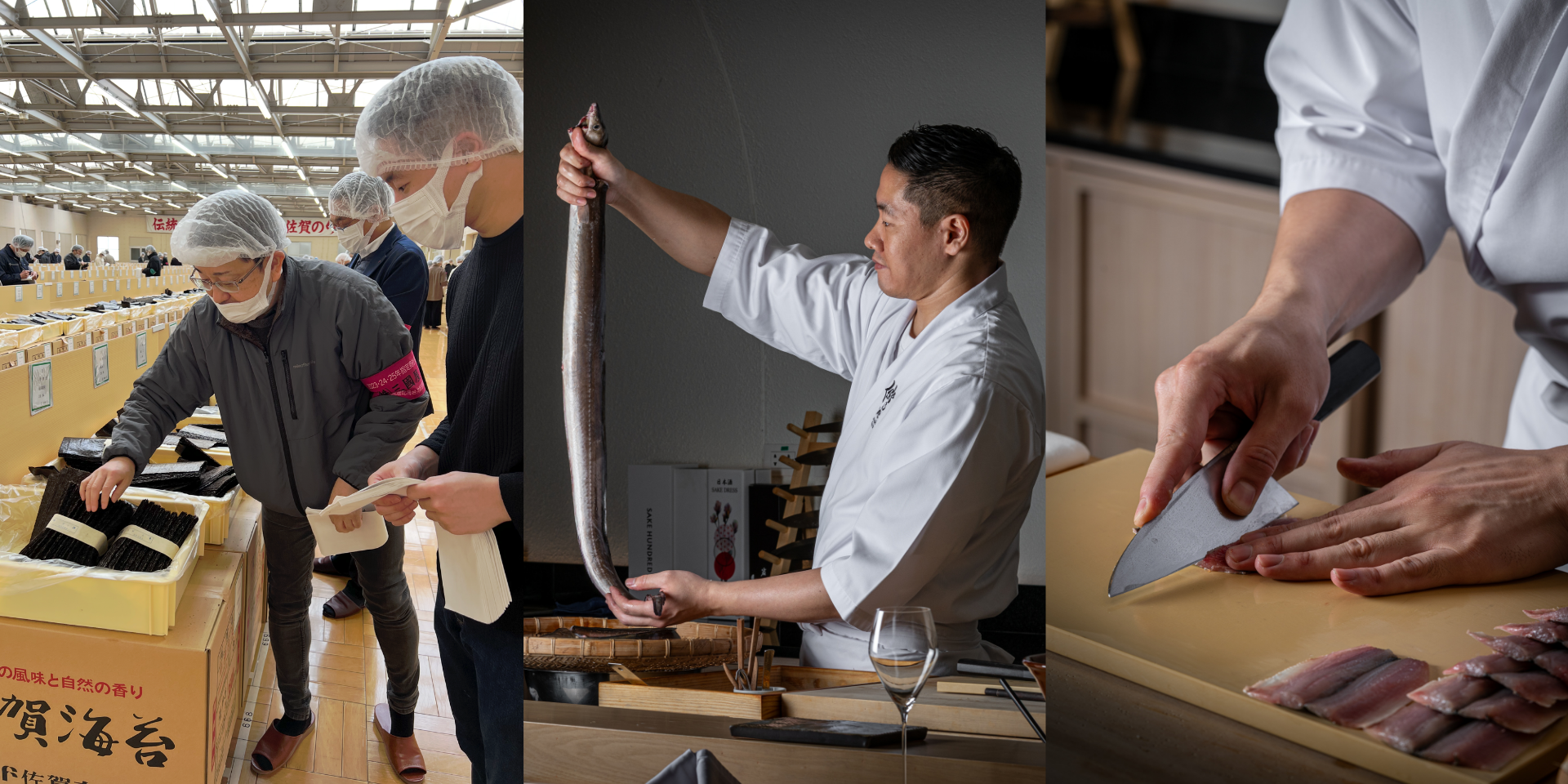
Working in Bangkok, where it takes almost a day for fish to arrive from Japan, forces you to adapt to the ingredients and environment. Unlike in Japan, I can’t just go to the local fish market and handpick my fish every morning.
Instead, I have to build strong trust with my suppliers and fish markets in Japan. This experience made me realize that sushi culture outside Japan relies not only on ingredients, but also on human relationships. In a way, food traditions travel not just through products, but through the people who handle them.
Sushi chefs often build long-term relationships with fishermen and suppliers. Does the connection influence the final piece of sushi?
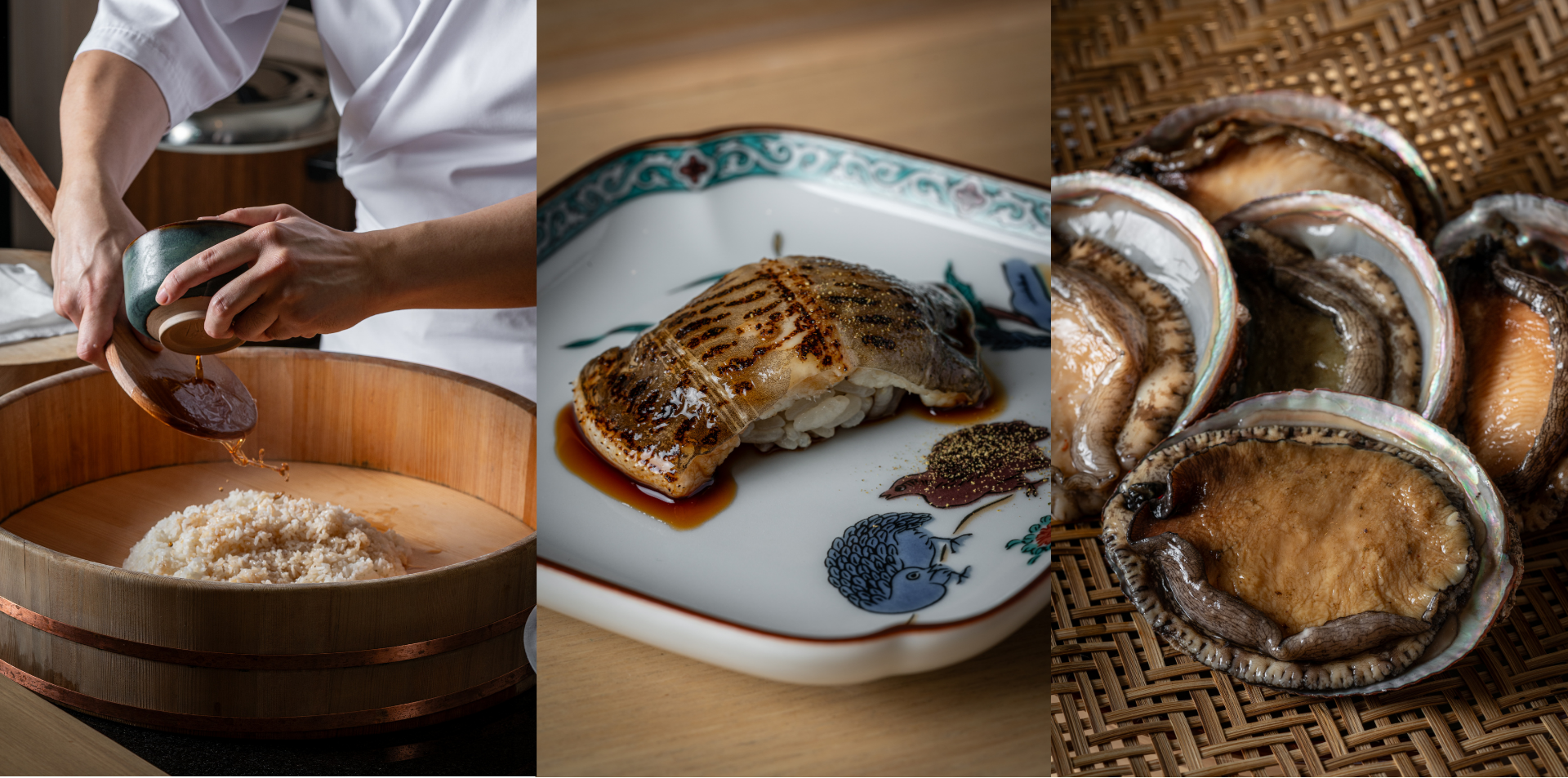
It makes a dramatic difference. As a chef, it's not only about skills. You develop a significant respect for ingredients when building a relationship with the fishermen and farmers.
To respect the ingredients is not only about praising it, it’s about bringing up the core of the ingredients and presenting a story of the origin through cooking.
That is the reason sushi is all about simplicity. It may look simple on the plate, but a lot of prep work is involved in one piece of sushi.
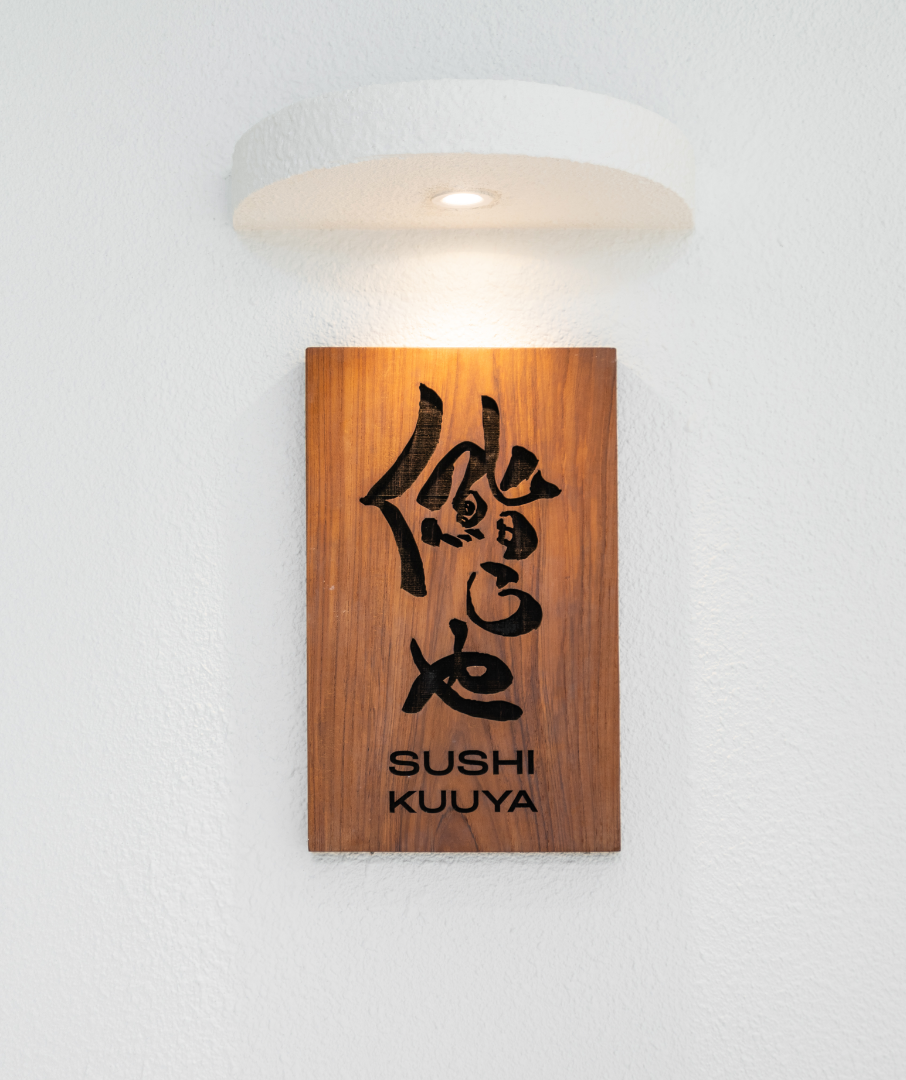
What meaning does the name Kuuya or its translation “let’s eat” hold for you ?
Actually, my father was the one who came up with the name “Kuuya.” It’s also an old slang term from the Hakata area. My father ran a vintage clothing business in both the United States and Japan for over 30 years, so it felt natural for me to ask him to help come up with a name for my restaurant.
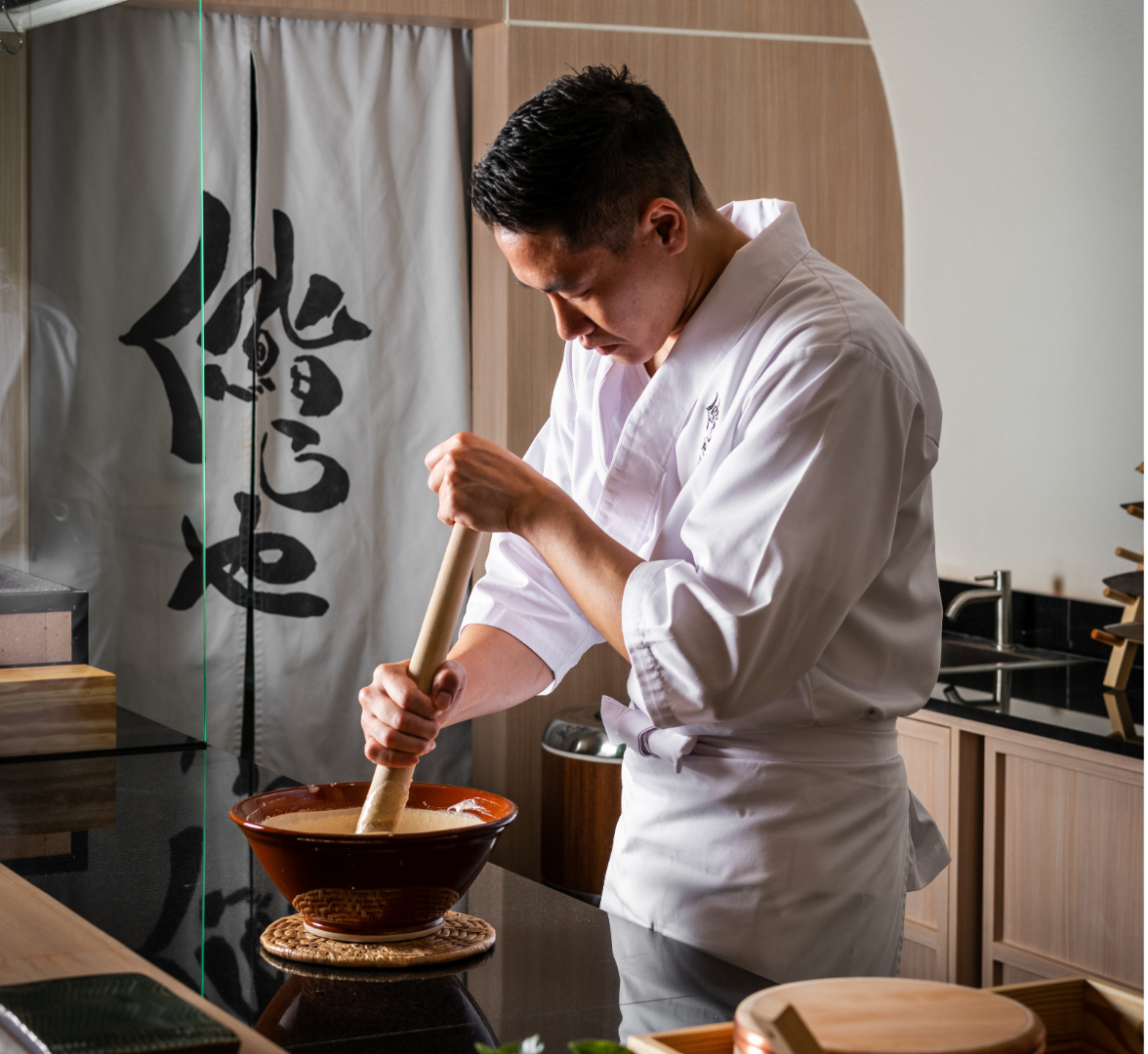
He has always fully supported my decision to pursue a career as a chef, so having him name the restaurant meant a lot to me.
Because of that, there is a deep emotional meaning behind the name “Kuuya,” not just the meaning of the word itself.
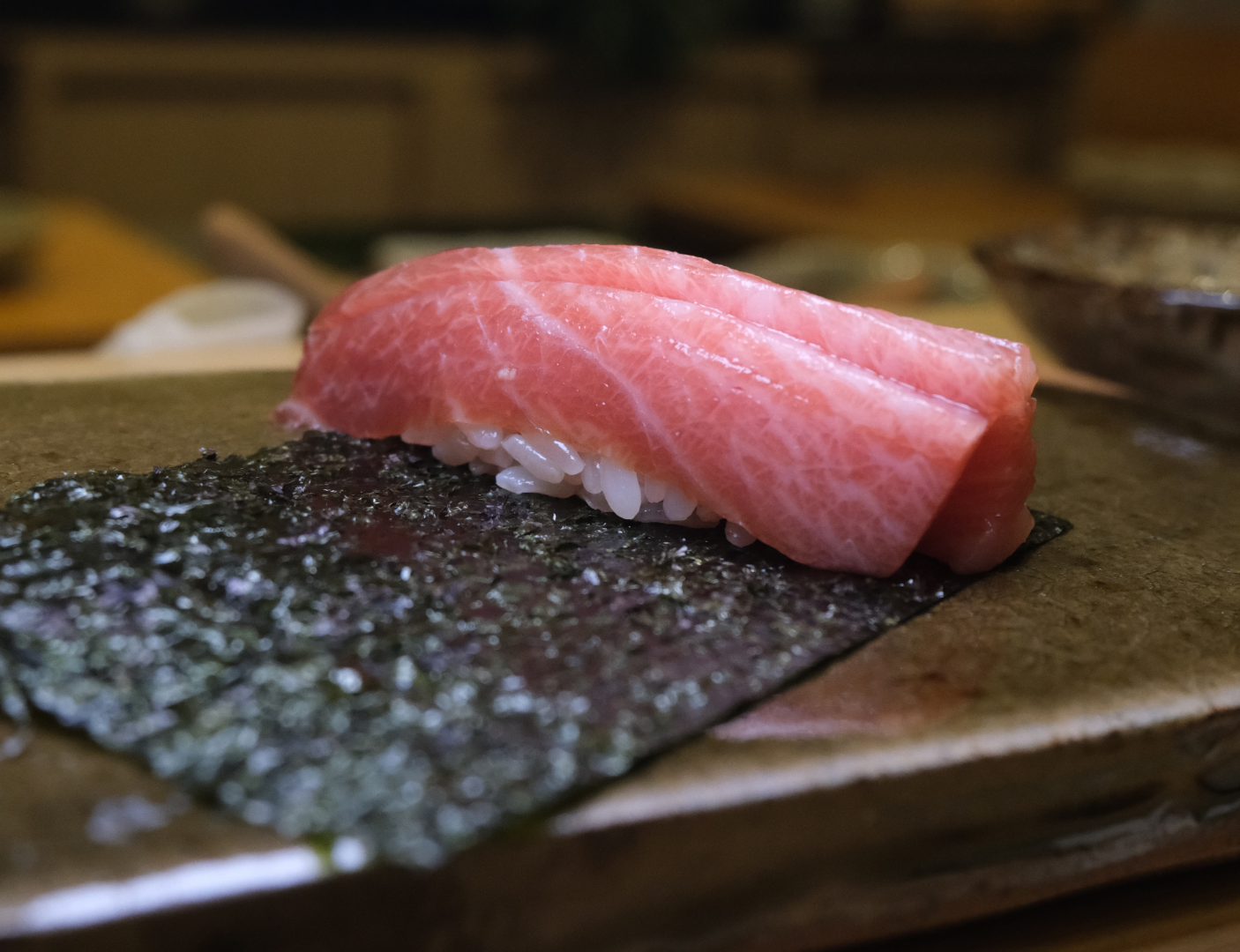
What’s a dish that represent the journey of the restaurant?
Wild bluefin tuna.
I recently started aging my tuna after learning the technique from my local fishmonger in Fukuoka, my hometown, and I now source my tuna exclusively from him. Aging tuna is not simply leaving it in the refrigerator for a long period of time, it requires great care and patience to do it properly.
On one of my courses, I wrap the tuna with seaweed from Saga, which is also close to my hometown. In a way, it represents the journey of my restaurant.
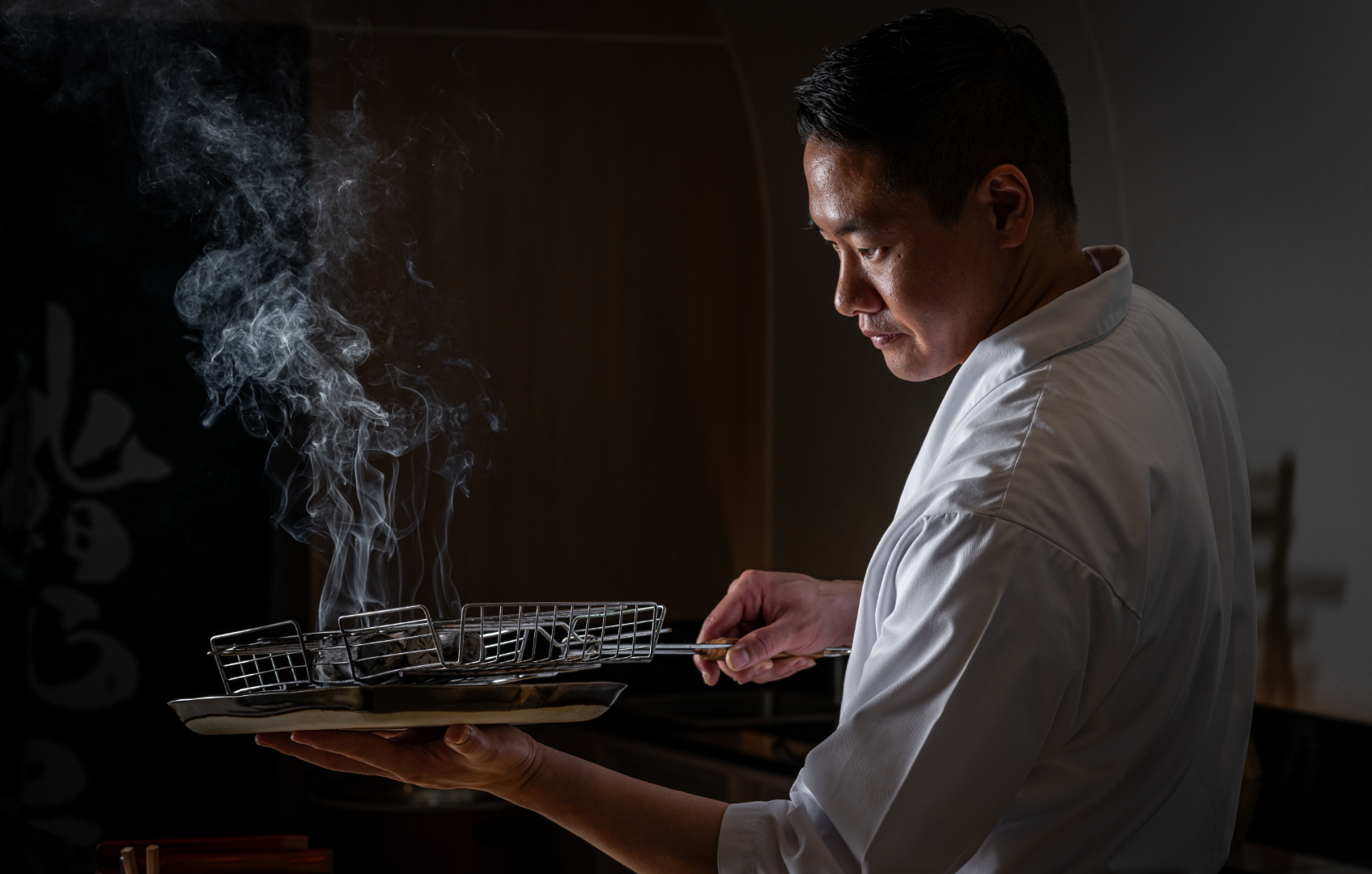
What excites you each day when you step behind the counter?
Behind the counter, what excites me the most is meeting new faces and seeing returning guests. However, most of the real work happens behind the scenes during preparation.
One of the biggest challenges is working with the ingredients, because they are never the same in quality or condition. The same fish can arrive in very different conditions depending on the weather, how it was caught, how it was handled, and how it was delivered.
Every step along the way affects the final condition of the fish. There is always much to learn in this craft no matter how old you get.
How do you see the sushi culture in Bangkok evolving?
This is a difficult question to answer because trends change very quickly nowadays, especially through social media. However, I feel that AI will play a big role in the culinary world in the coming years. Even now, many people rely on AI to discover restaurants and decide where to dine.
Although, at the same time, even when new trends appear in sushi culture, it somehow always returns to its original simplicity.