Cracking Open Excellence withChef Dharshan Munidasa on Ministry of Crab
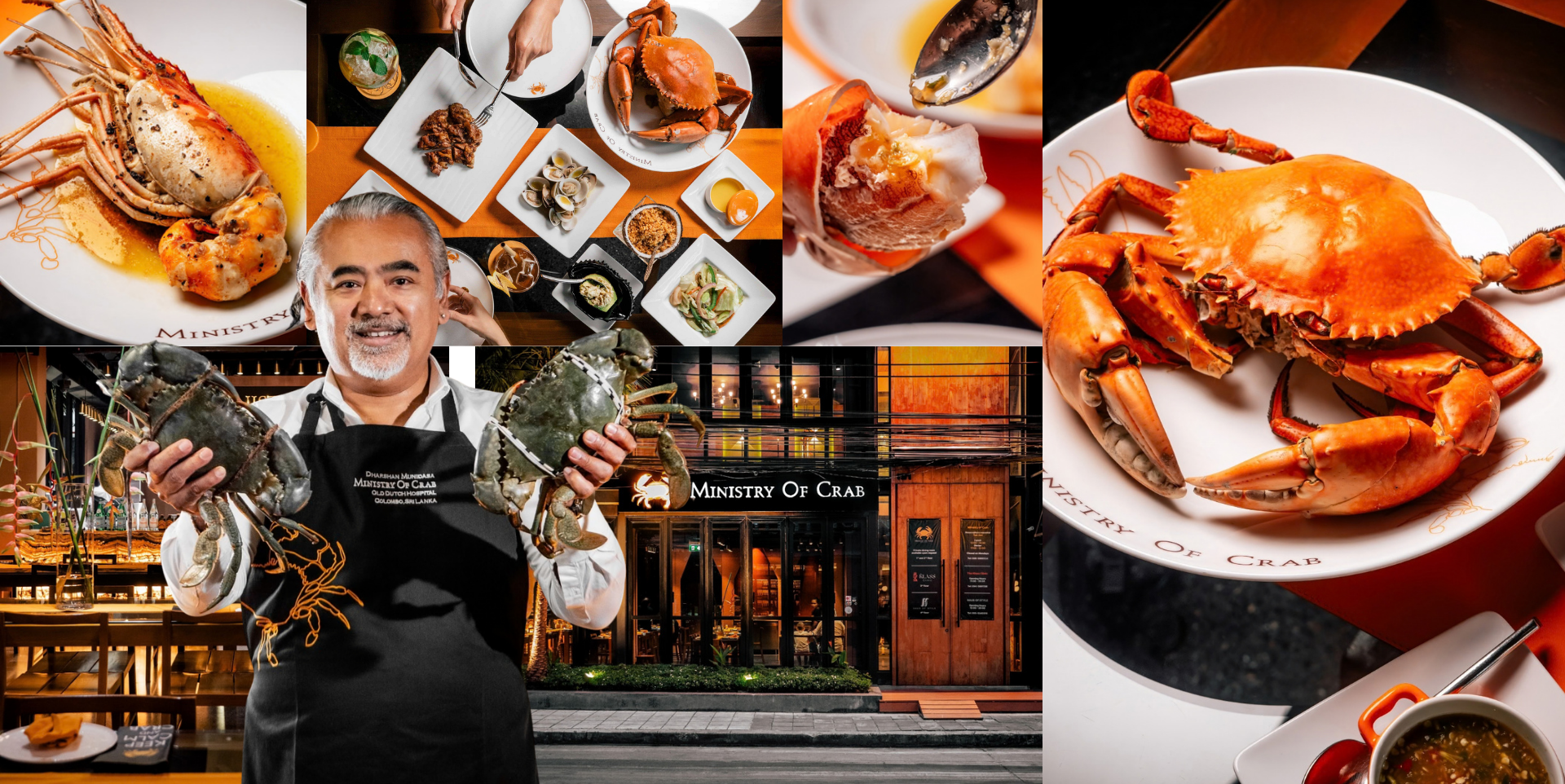
Chef Dharshan Munidasa has long been celebrated as one of the visionaries who placed Sri Lanka firmly on the global culinary map. With restaurants such as Ministry of Crab appearing on the Asia's 50 Best Restaurants list, his ingredient-first philosophy shaped by his Japanese and Sri Lankan heritage has earned worldwide respect for its precision, integrity, and deep reverence for seafood.
Today, that philosophy finds a home in Thailand at Ministry of Crab Bangkok, where the celebrated Sri Lankan mud crab takes center stage. In this conversation, Chef Dharshan reflects on his culinary journey, the story behind Ministry of Crab, and the meaning of bringing this iconic dining experience to one of Asia’s most vibrant food cities. 🦀
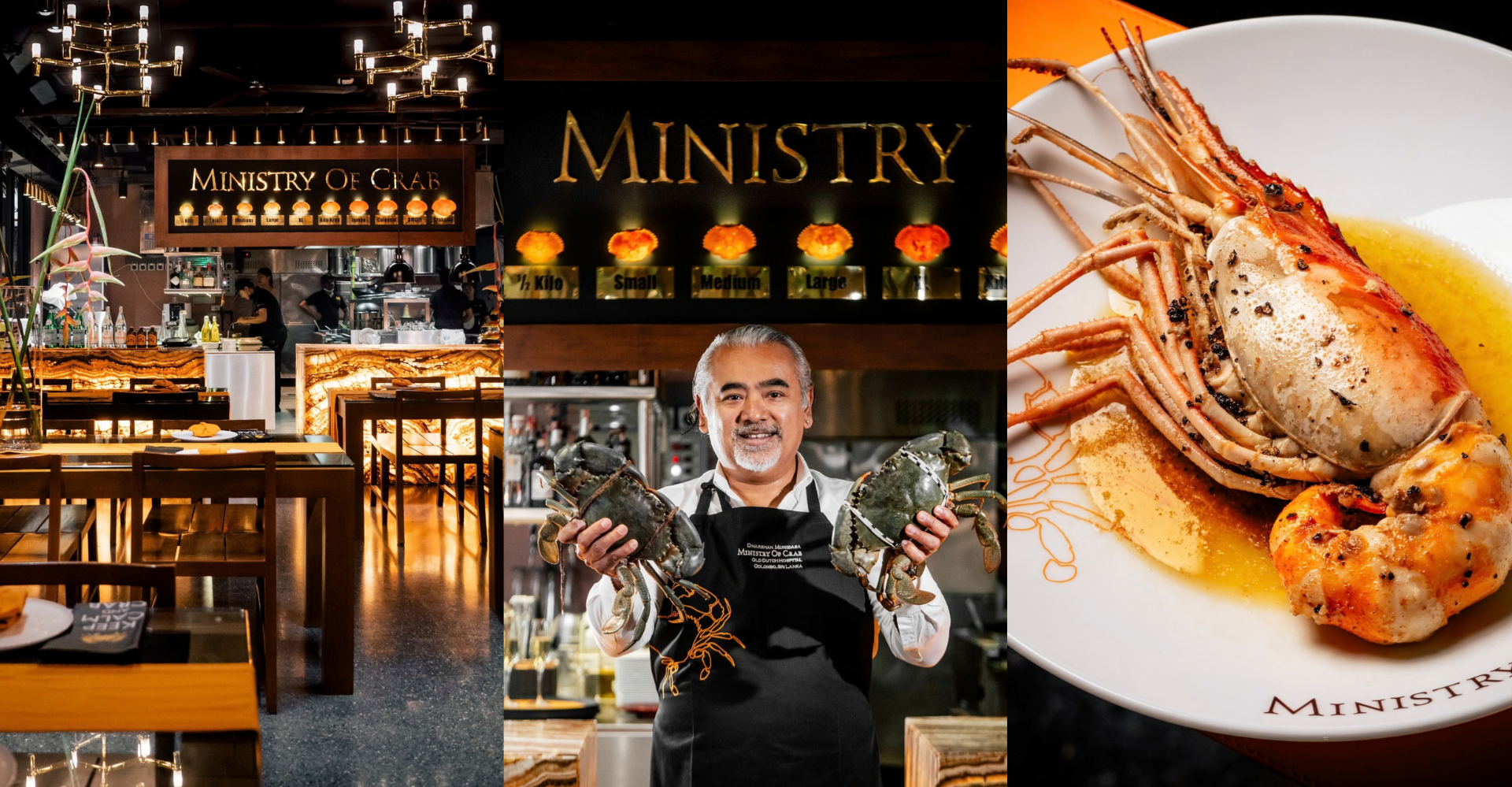
What made Bangkok the right city for a Ministry of Crab outpost?
Thailand, much like Sri Lanka, is a country blessed with immense natural resources. There is an incredible abundance of ingredients, and that translates directly into the food culture - whether it’s street food or fine dining. The cuisine is vibrant, local, and deeply connected to what the land and sea provide.
The idea of bringing Ministry of Crab (MOB) to Bangkok was initiated by our partner Chani, who was the first to approach us about it. We were incredibly excited that our first restaurant outside Sri Lanka would be in Bangkok because it’s such a dynamic, colorful food city. It felt like the perfect place for a conversation between Sri Lankan seafood and Thailand’s own rich culinary culture.
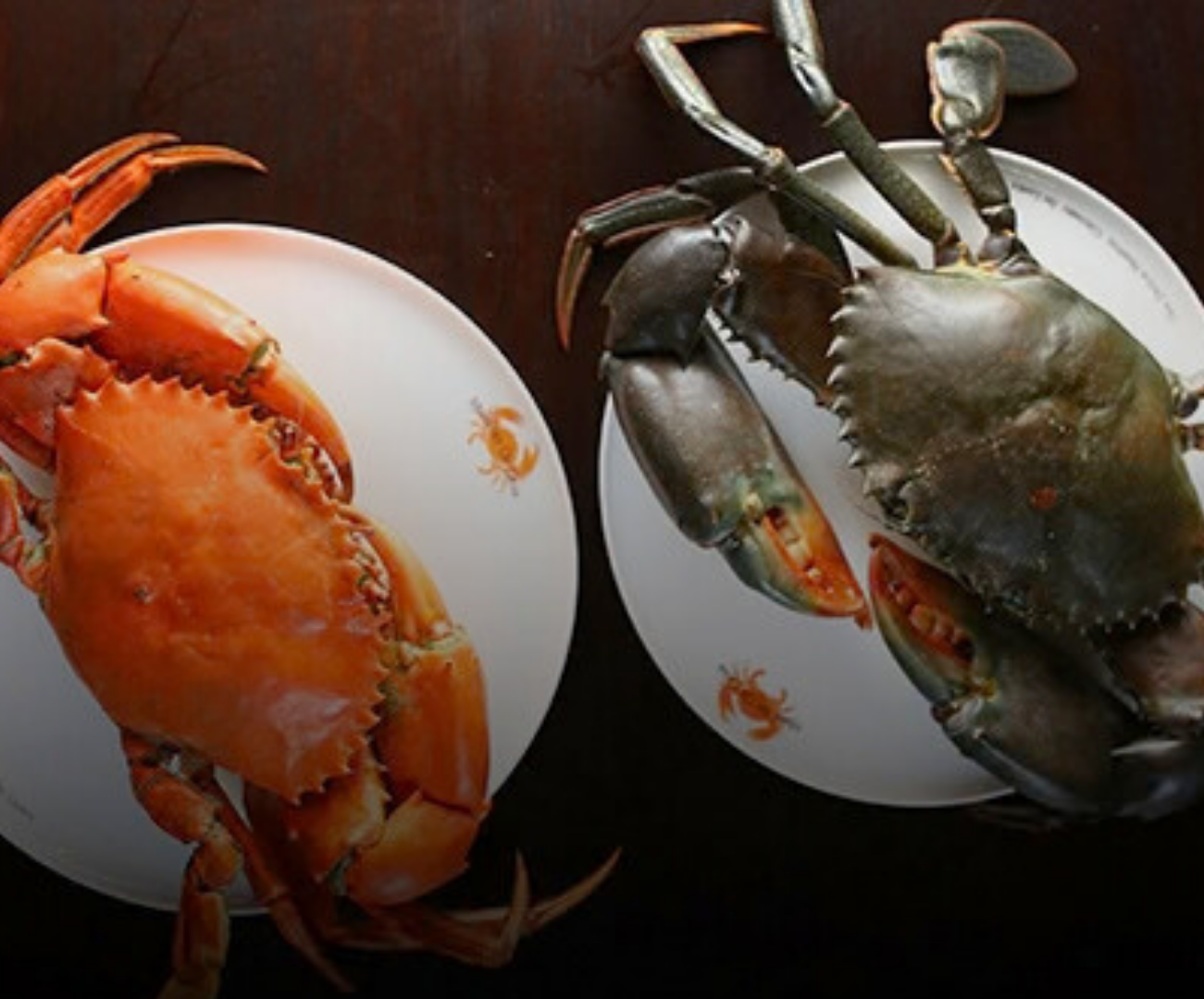
For decades, Sri Lankan crabs have been exported to places like Singapore, where they built a reputation for being some of the best in the world. People already understood the majesty and quality of our crabs.
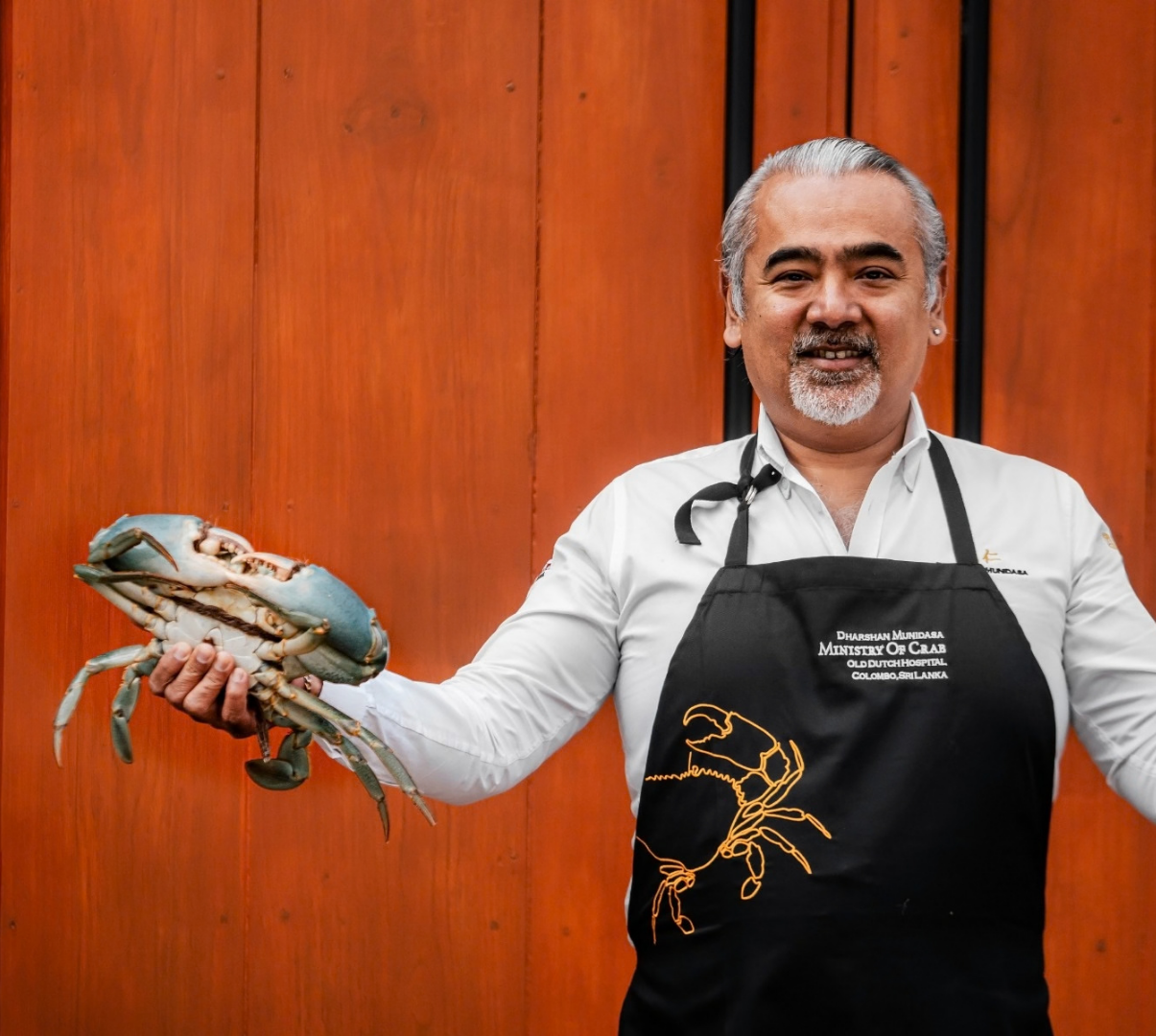
What we are doing at Ministry of Crab is taking that reputation and shaping it in our own way - presenting it to the world through a Sri Lankan lens. Our approach combines a Sri Lankan mindset with Japanese precision and technique, allowing us to showcase our ingredients in their purest and best form.
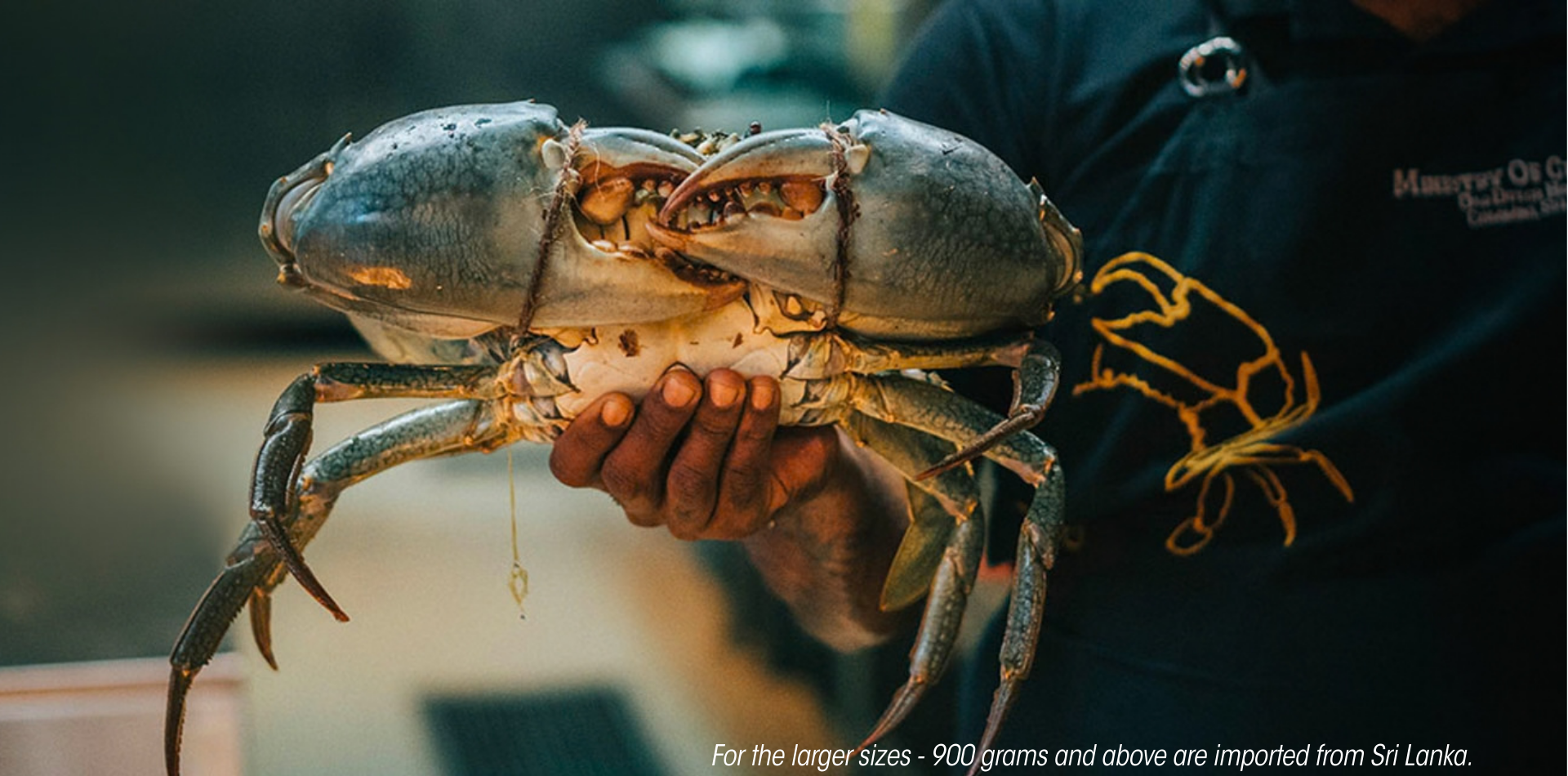
Why is that hands-on relationship with sourcing so important to you?
Fish markets are where restaurants truly understand their ingredients. Seafood is incredibly time sensitive - freshness and quality change by the hour.
It’s caught in the open ocean and brought ashore, and when you visit the markets you witness the scale of it - acres of fish laid out, the entire bounty of the sea.
Being there allows you to see, select, and understand your ingredients at their source. That connection is essential when you work with seafood.
Ministry of Crab also incorporates Thai mud crabs into the menu and are sourced locally from Thailand. It’s something we’re very proud of combining - local Thai sourcing with the large Sri Lankan crabs that the restaurant is known for.
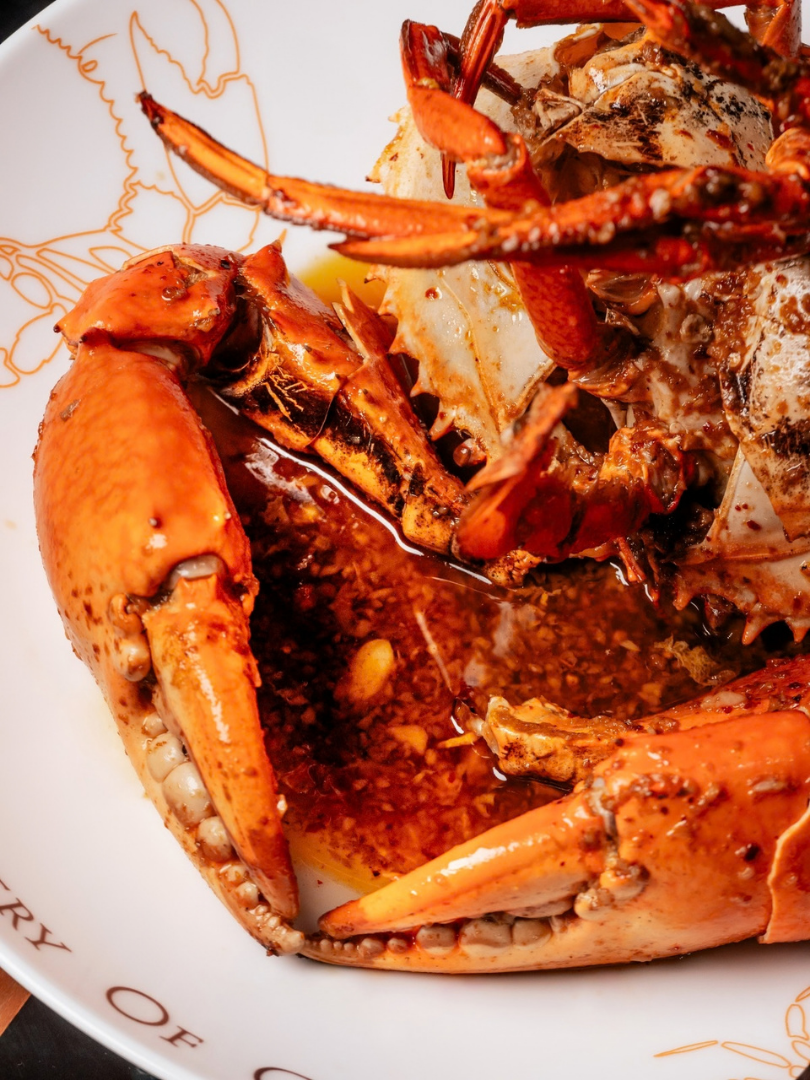
What’s a dish that represent the journey of the restaurant?
I would choose the Black Pepper Dashi Crab.
The classic pepper crab from Singapore is traditionally a dry dish. When I was developing our version at Ministry of Crab, I decided to go in the opposite direction and make it a wet dish.
We create a black pepper dashi, and during the cooking process the flavor of the crab transfers into that liquid. The result is a dish that truly captures the essence of the crab. In many ways, it represents what we try to do as a restaurant - present the crab in its absolute best form.
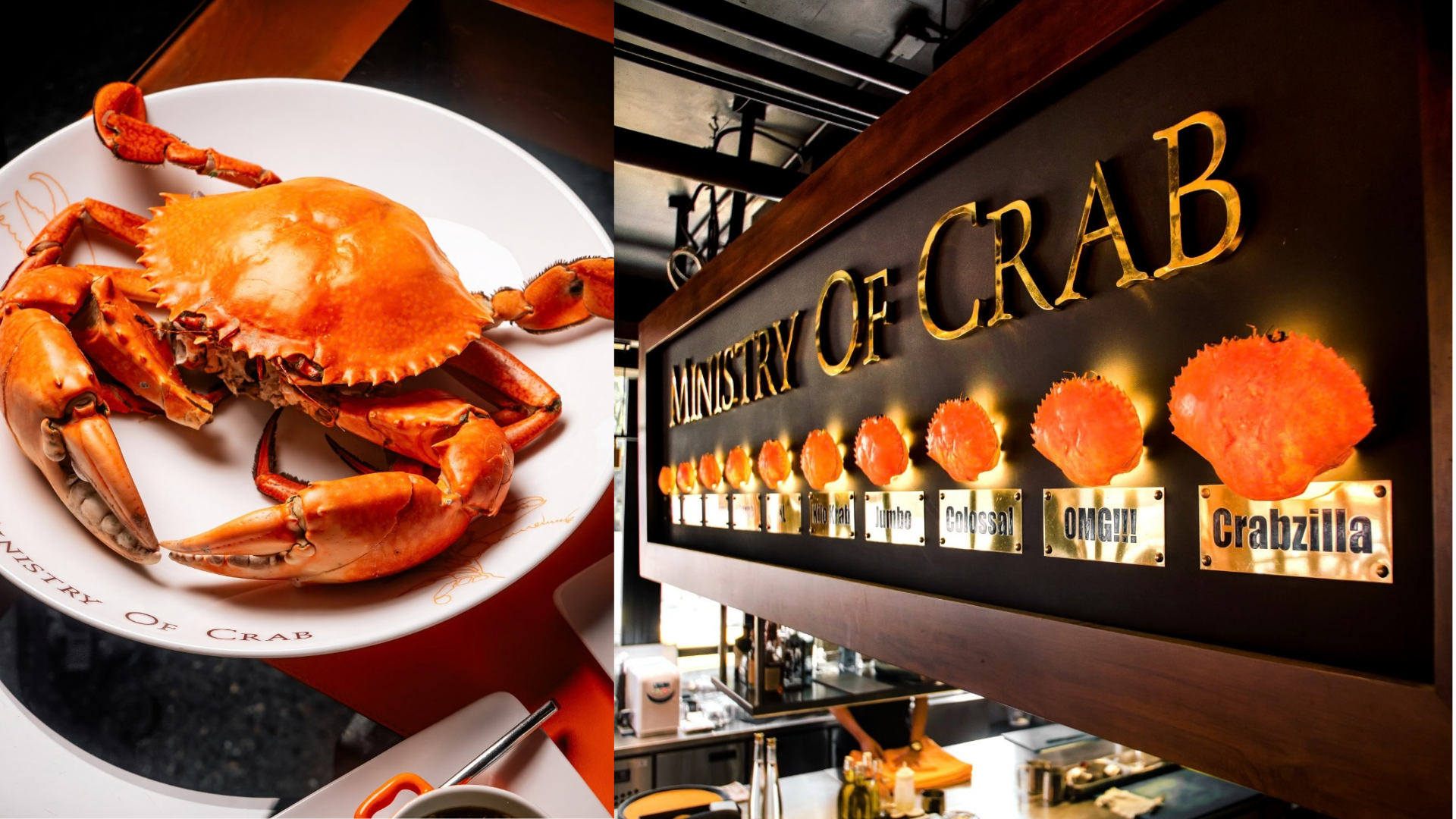
When diners in Bangkok sit down and crack open their first crab at the Ministry of Crab, what do you hope they feel?
Honestly, the first reaction is usually very simple: “Wow, that’s a big crab.”
But beyond that, I hope they notice the quality of the crab and the ingredients. It’s about experiencing something that feels both pure and special - where the ingredient itself is the hero.
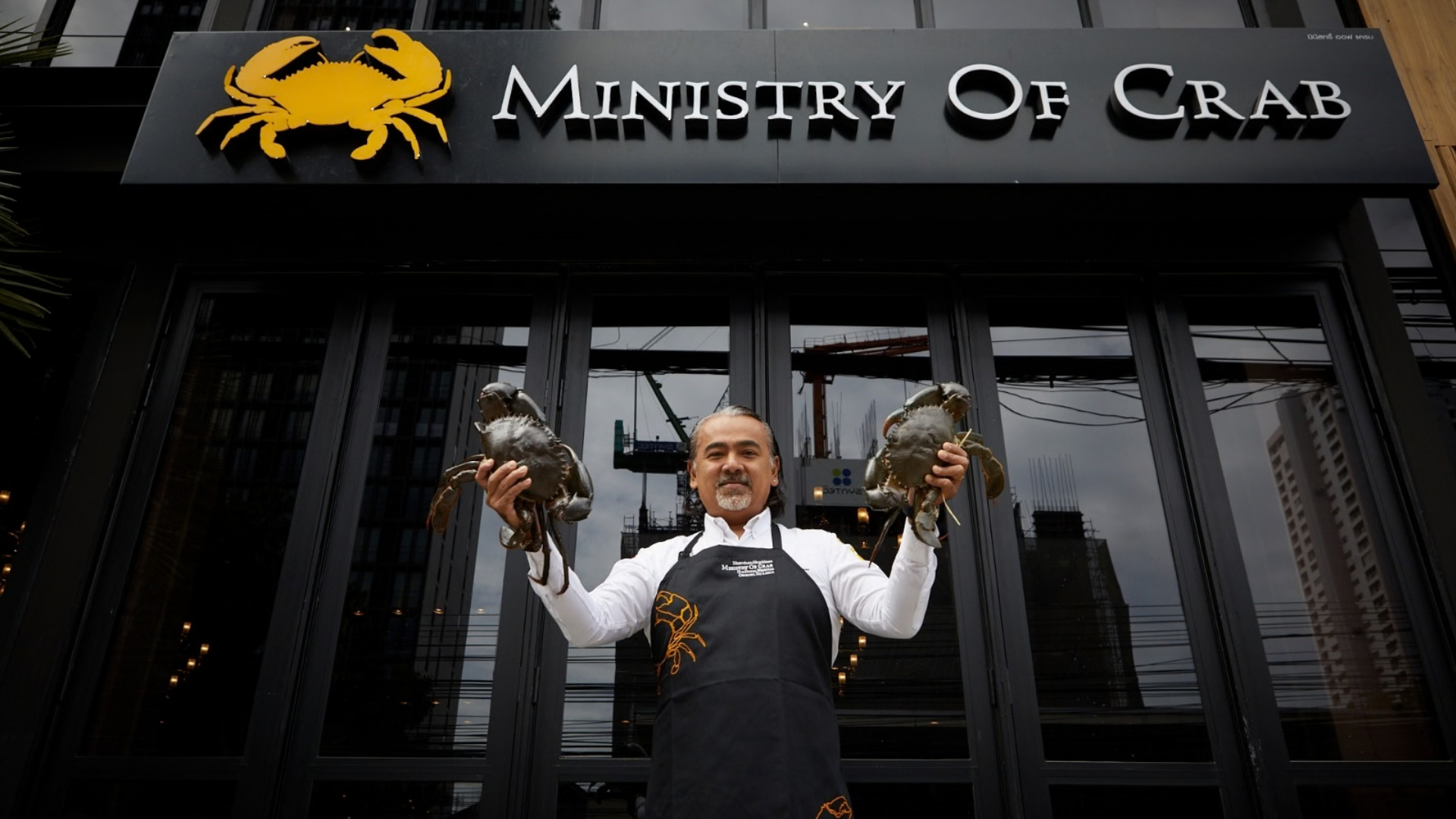
After building such a global culinary presence, what still excites you the most when you walk into the kitchen each day?
Ingredients still excite me the most.
Finding interesting ingredients and figuring out what you can create with them is always fun. It still drives me to travel long distances just to discover something new.
Just a couple of days ago I was up in the hills of Sri Lanka looking for local beef tongue, oxtail, and baby goat. That sense of discovery - the thrill of the ingredient - is what continues to inspire me every day in the kitchen.