The Art of Coming Together, a Story Shaped by Union at SAMAS
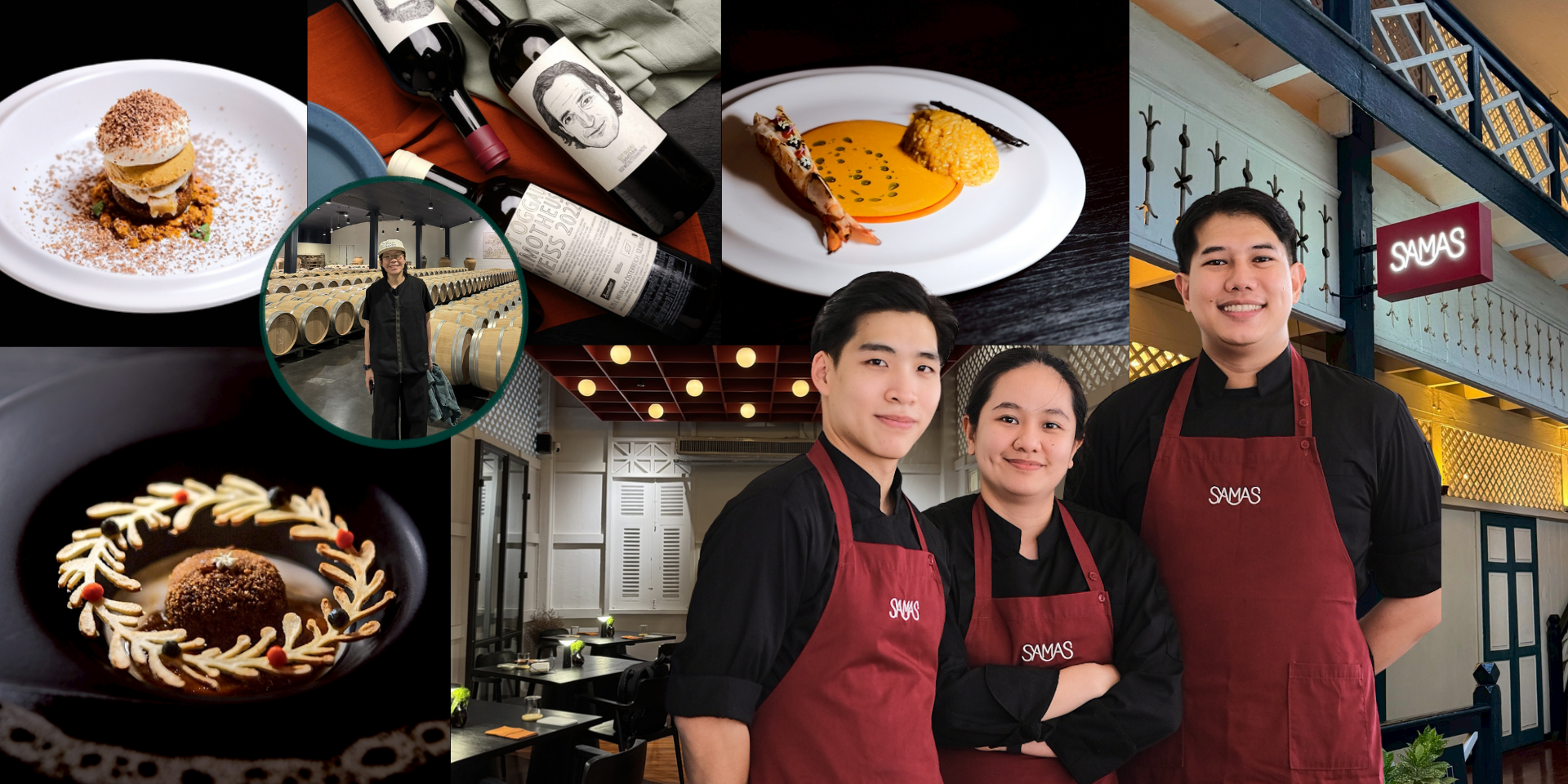
What happens when a new generation of chefs is given both freedom and foundation? At SAMAS, the answer unfolds quietly yet confidently. Led by Chefs Earng, Pete, and Pang, whose youthful energy and creative instinct shape the kitchen, the restaurant finds its balance through the steady vision of owner Soravich “Jo” Sontijirawong and Yanisa “Jan” Sontijirawong, the precision of a WSET Level 4 candidate sommelier. Set within a 140-year-old Thai house, SAMAS becomes a meeting point of disciplines, generations, and ideas. In this conversation, we step into the minds behind it all, exploring how collaboration, intention, and a shared belief in craft come together to form a restaurant that feels both grounded and forward-looking.
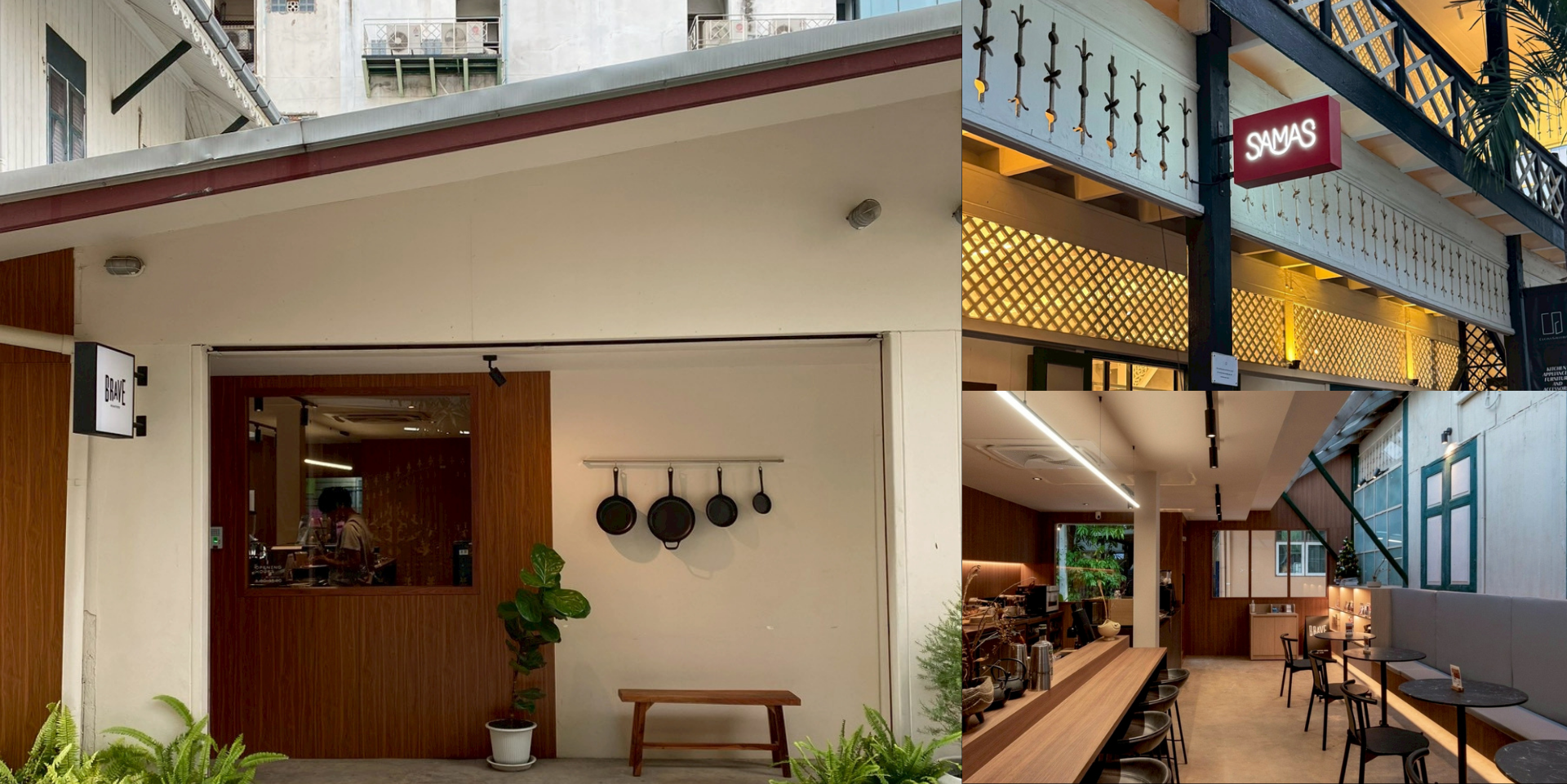
SAMAS sits at the intersection of lifestyle, design, and dining. When a brand is born from something functional like kitchenware, how does it transform into something emotional, something people connect with beyond the product?
For us, it was never only about the objects themselves. Through Cucina Galleria — our high-end kitchen appliance showroom — we spent years understanding how deeply the kitchen connects to people’s lives. While kitchenware and appliances are functional by nature, what people truly remember is the feeling surrounding the table — the conversations, the atmosphere, and the people they share meals with.
Over time, we realized that food, wine, design, and hospitality are all connected through emotion. SAMAS became a natural extension of Cucina Galleria’s philosophy: transforming a space centered around the kitchen into a place where guests could experience warmth, creativity, and connection through dining.
In many ways, SAMAS grew naturally from the environment around it. Guests were not only drawn to the design and objects within the house, but also to the feeling of gathering, sharing meals, and experiencing the space together. That emotional connection ultimately became the foundation of the restaurant itself.
Was SAMAS always meant to become a restaurant or did it reveal itself over time through the way people interacted with the space, the wine, and the experience?
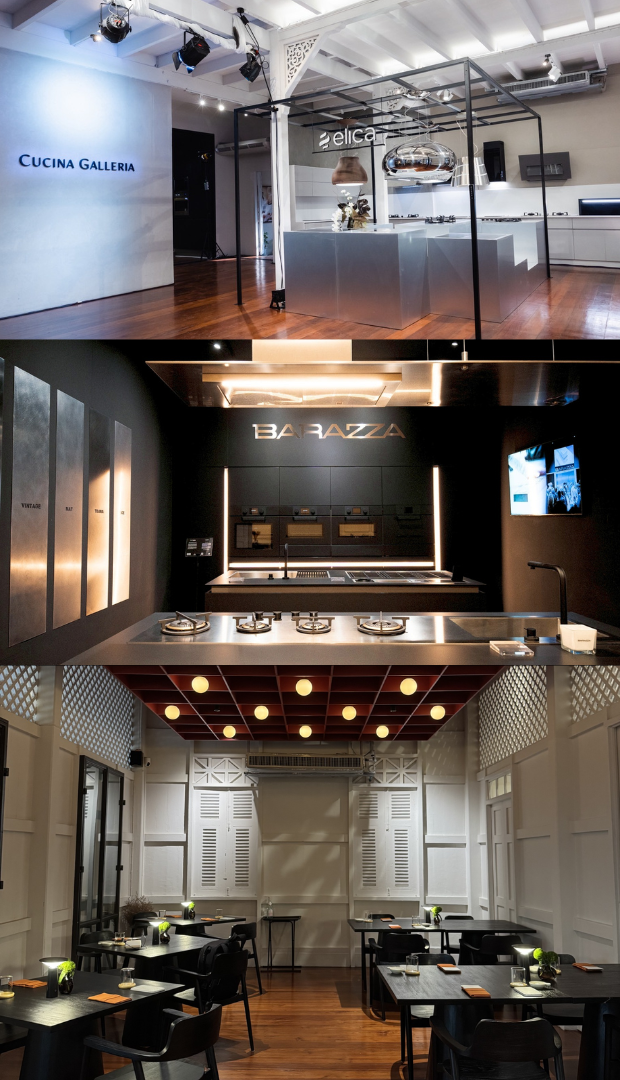
It revealed itself gradually. SAMAS was never originally planned as a restaurant from the very beginning. The journey started with Cucina Galleria, our high-end kitchen appliance showroom. Over time, we realized we wanted the space to become more than simply a point of sale. We wanted it to feel alive — somewhere people could genuinely spend time, connect, and experience hospitality in a more personal way.
That idea first evolved into Brave, our coffee space, and later into Botti, a small wine bar created from the owner’s deep personal interest in wine and dining culture. Through Botti, we began to see how naturally people connected with the atmosphere of the house through food, wine, and conversation. Guests were not only coming for the products or the drinks, but for the feeling and experience surrounding the space itself.
As those experiences evolved, it became clear that there was potential to create something more immersive and complete. SAMAS ultimately grew from that progression — a natural evolution of Cucina Galleria, Brave, and Botti — bringing together design, hospitality, food, and wine into one cohesive experience.
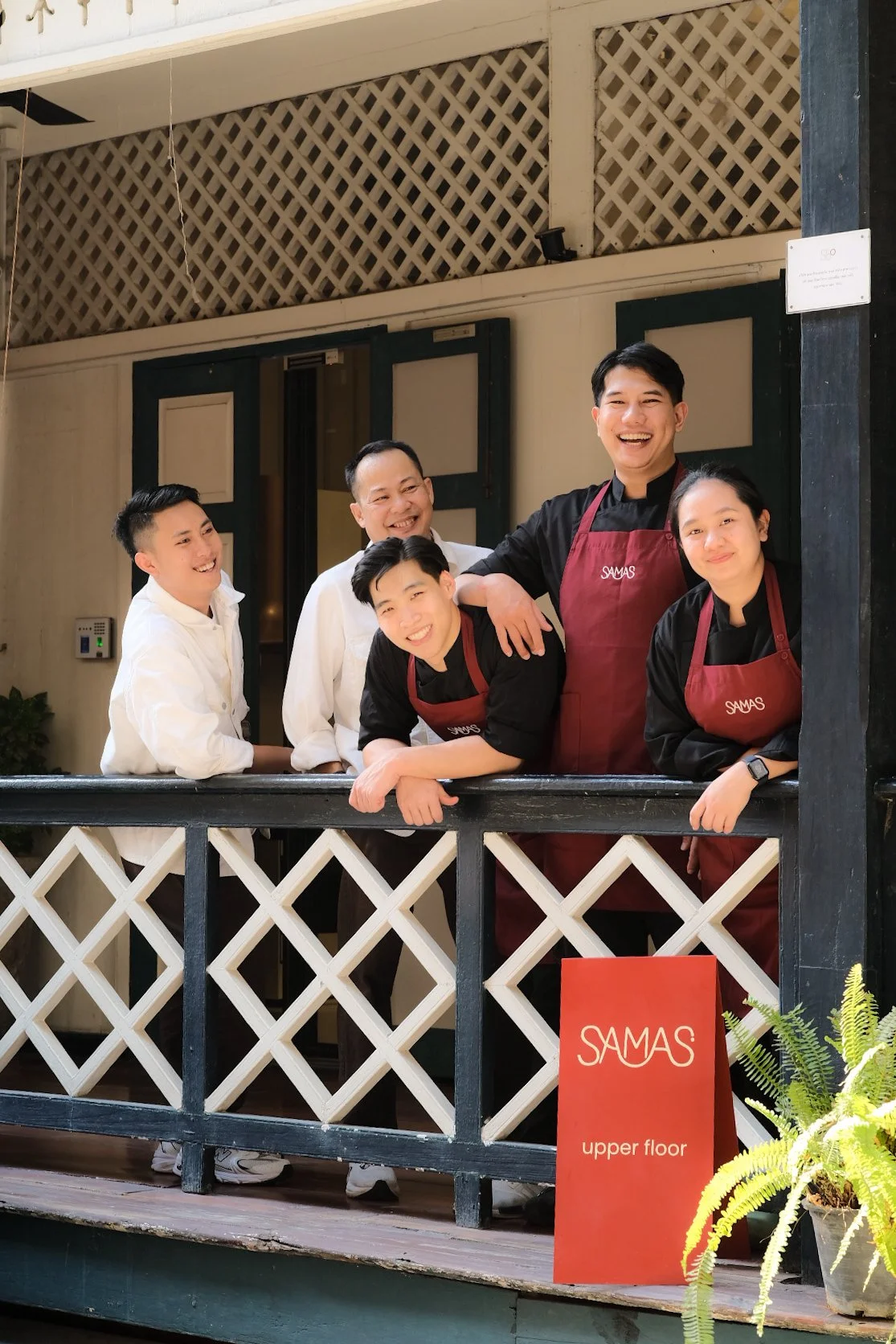
SAMAS brings together a new generation of chefs with experienced leadership. How does the restaurant cultivate a brand that feels both fresh and grounded at the same time?
We try to create an environment where creativity has structure. The younger chefs bring curiosity, energy, and a willingness to challenge ideas, while the experienced leadership helps shape that creativity with consistency, discipline, and perspective.
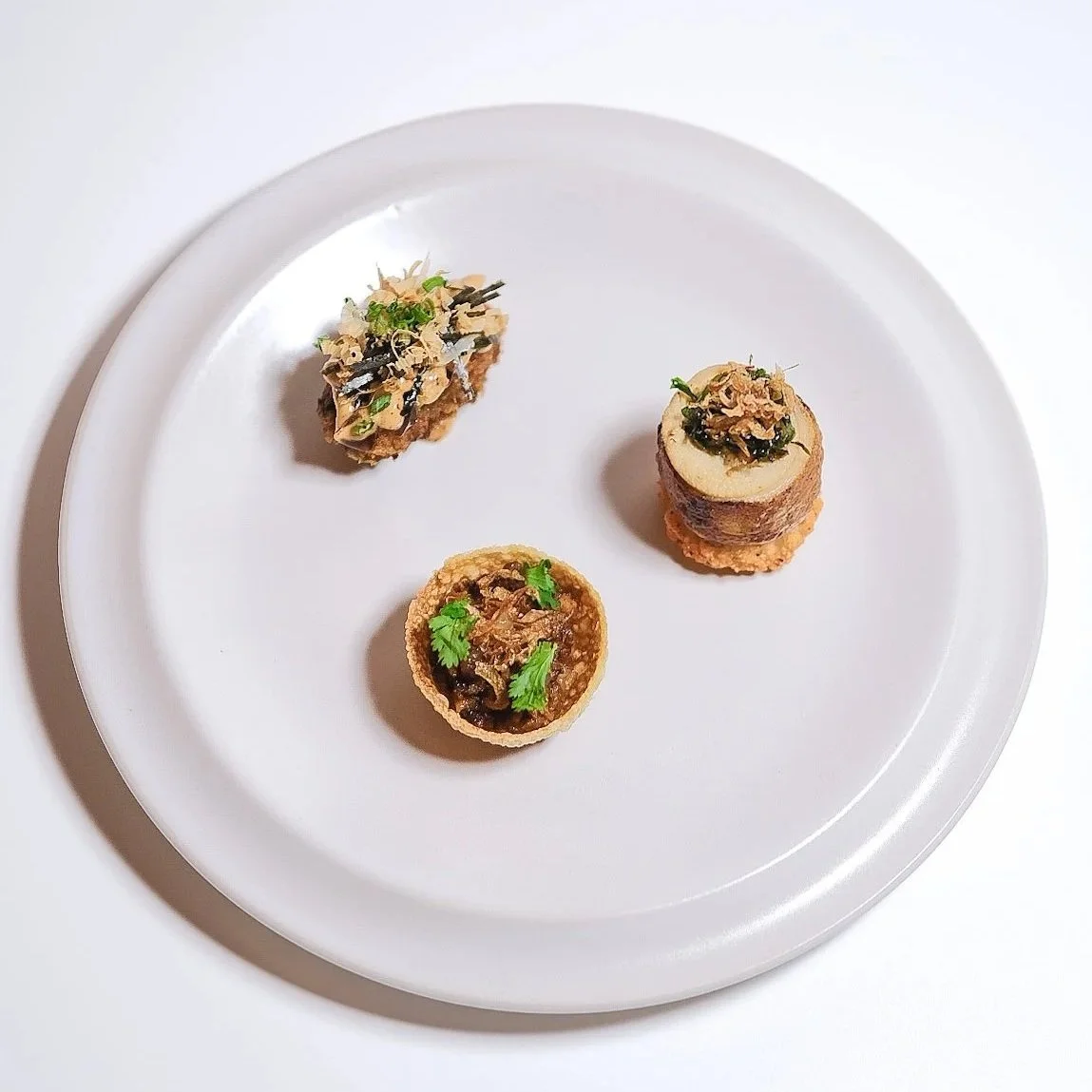
We never want the food to feel trend-driven for the sake of being modern. Instead, we focus on creating dishes with clarity, balance, and intention. That balance between experimentation and restraint is what keeps SAMAS feeling both contemporary and grounded.
“SAMAS” speaks of coming together; of union. When different energies, chefs, ideas, cultures meet in one space, what does it mean to build something rooted in togetherness?
For us, togetherness is not about making everything identical. It is about allowing different voices and backgrounds to coexist while moving toward a shared intention. Each person in the team sees flavor, hospitality, and creativity differently, and we see that diversity as a strength rather than something to simplify. SAMAS exists because of collaboration — between generations, cultures, disciplines, and perspectives. The goal is not to erase individuality, but to create harmony from it.
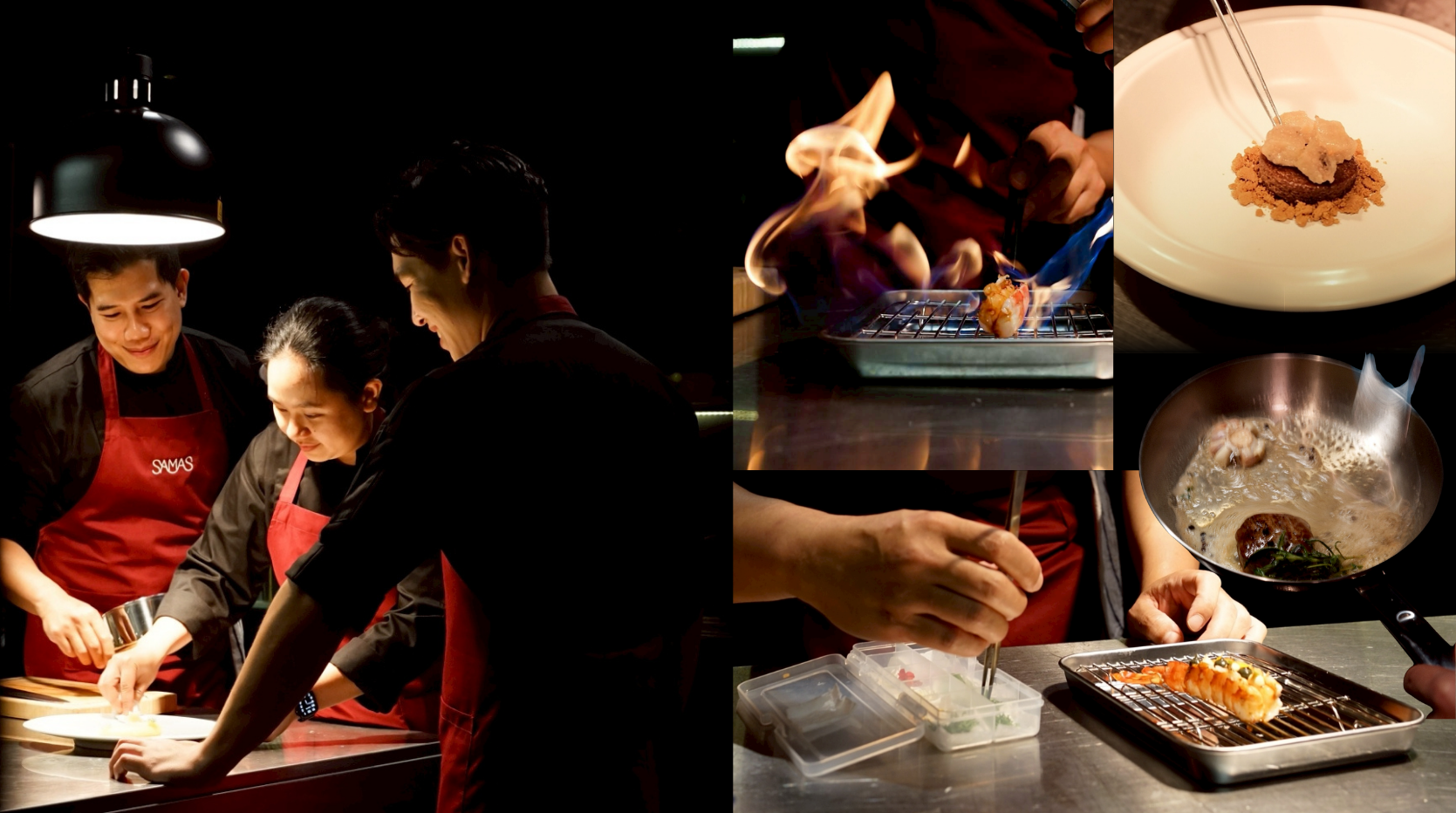
Each chef brings a distinct voice. How do those voices come together to create something that feels whole?
Every chef naturally has different instincts and references, but we spend a great deal of time discussing not only flavor, but emotion, memory, and the guest experience. The dishes are developed collaboratively, refined through conversation and tasting rather than individual ownership. Because there is mutual trust within the team, each person can contribute their strengths while still respecting the identity of the restaurant as a whole. The result feels cohesive because it comes from a shared philosophy rather than a single point of view
For each chef, what is a particular dish on the menu that you feel best represents the story of Samas for you?
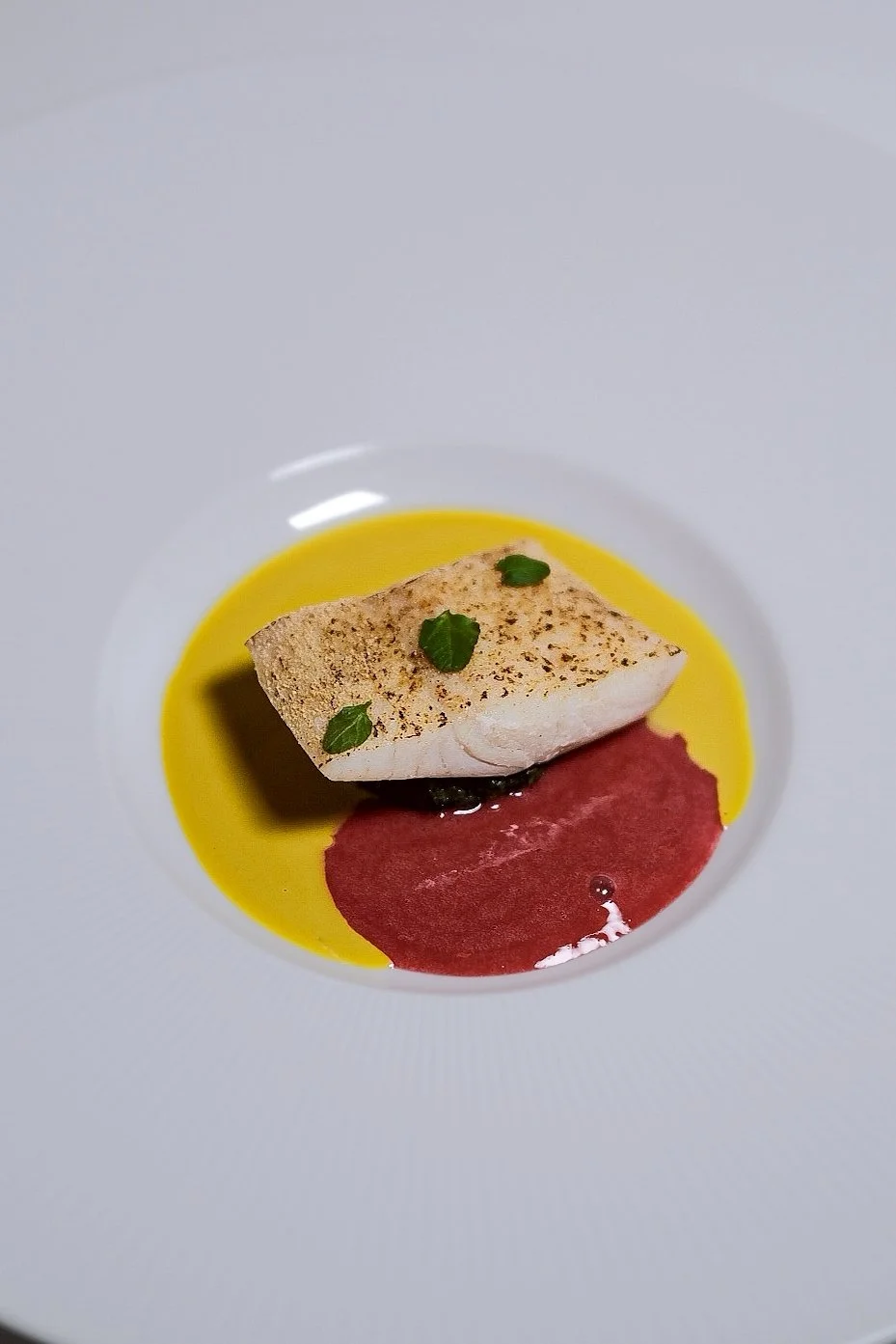
Pla Ka-Mong represents SAMAS particularly well because it reflects many of the ideas we value as a restaurant. The dish begins with familiar regional flavors, but reinterprets them through different techniques and influences. The dry-aged trevally, Peruvian-inspired tiger’s milk, and Southern Thai curry sauce create something layered yet balanced. It feels rooted in Asian flavors while remaining open-minded and contemporary.
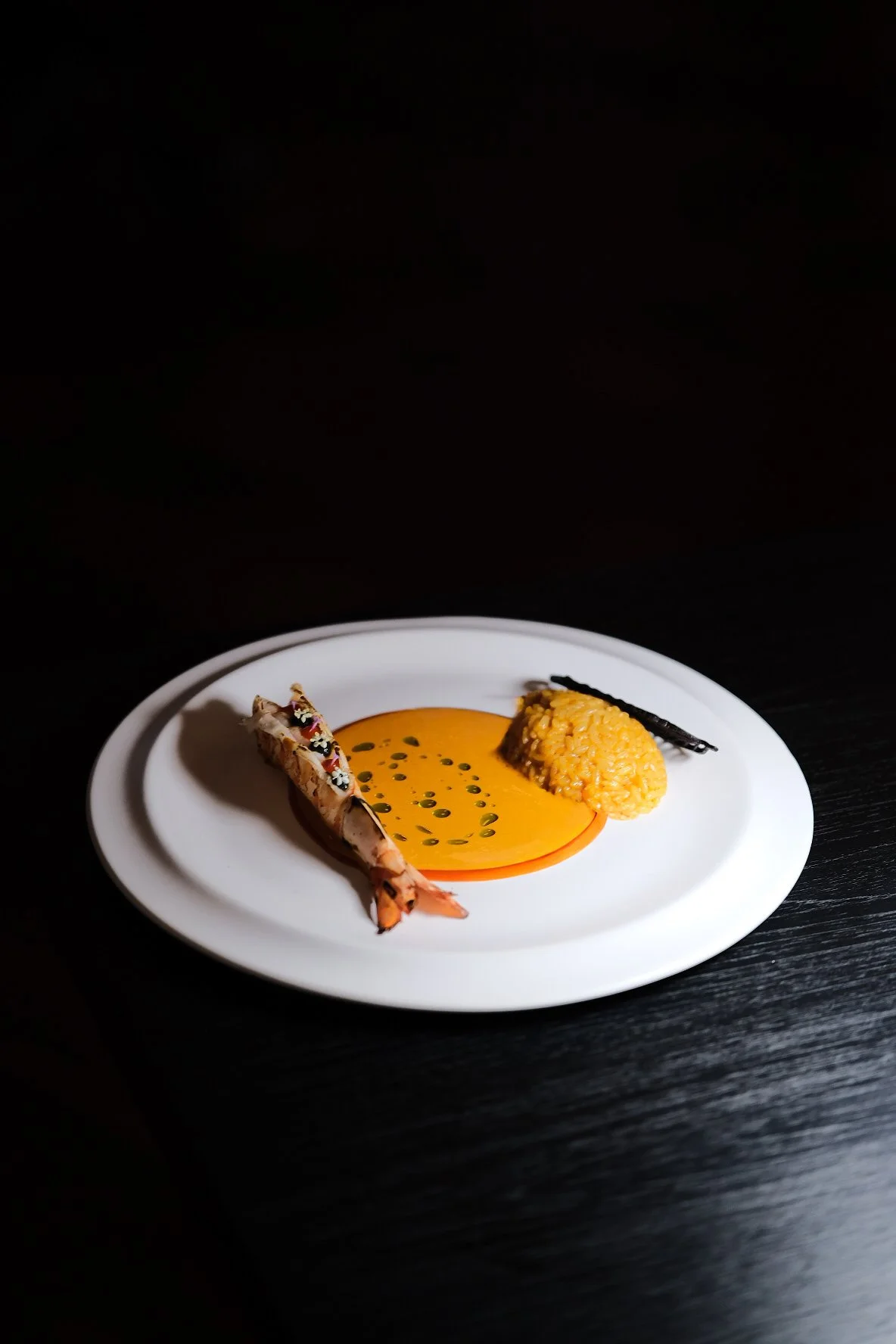
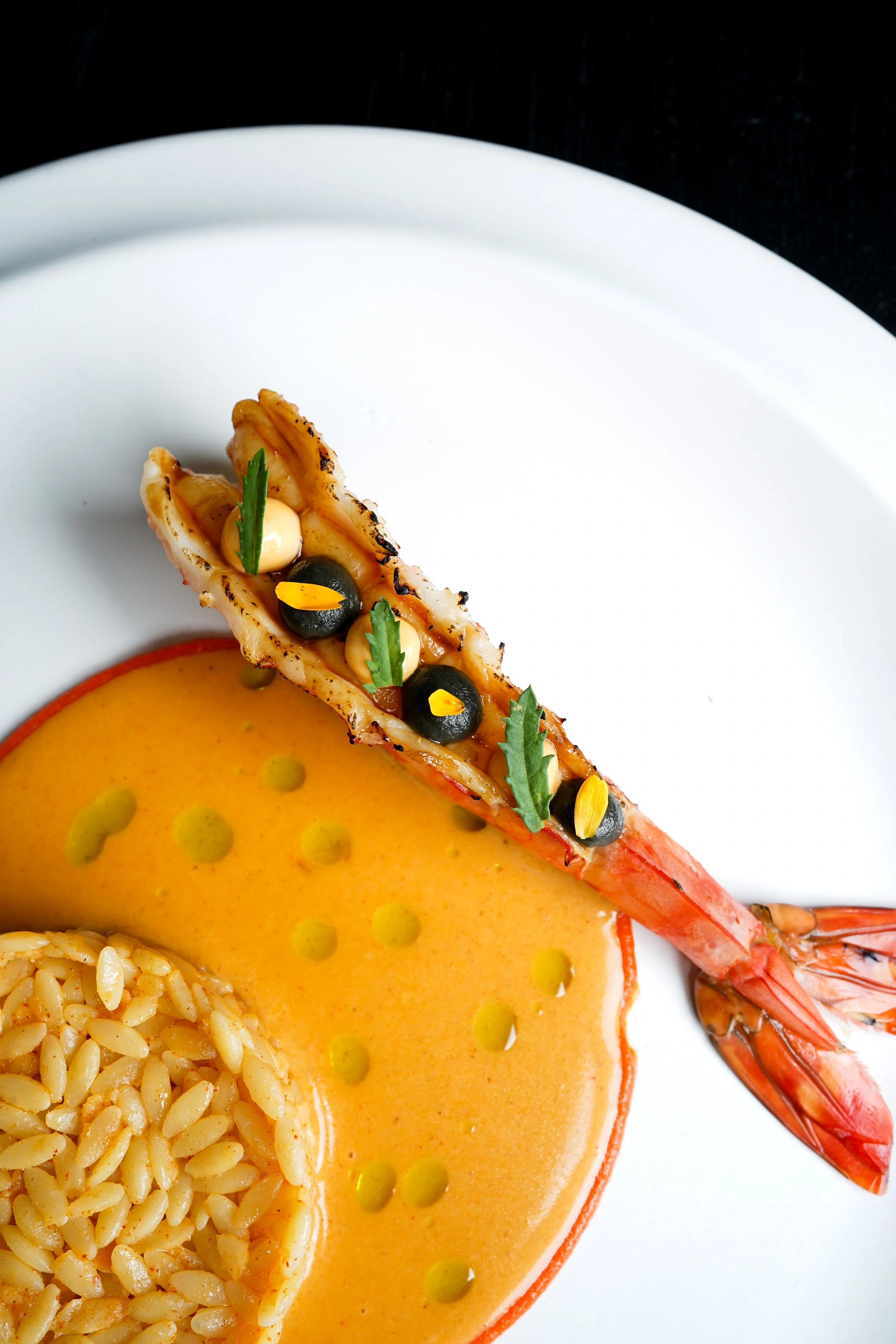
Riso Grilled Tiger Prawn with Gochujang Bisque is another dish that reflects the personality of the restaurant. It combines comfort, intensity, and refinement in a way that feels approachable yet memorable. The use of riceshaped pasta, prawn fat, and Korean flavors captures the playful but thoughtful spirit of the kitchen.
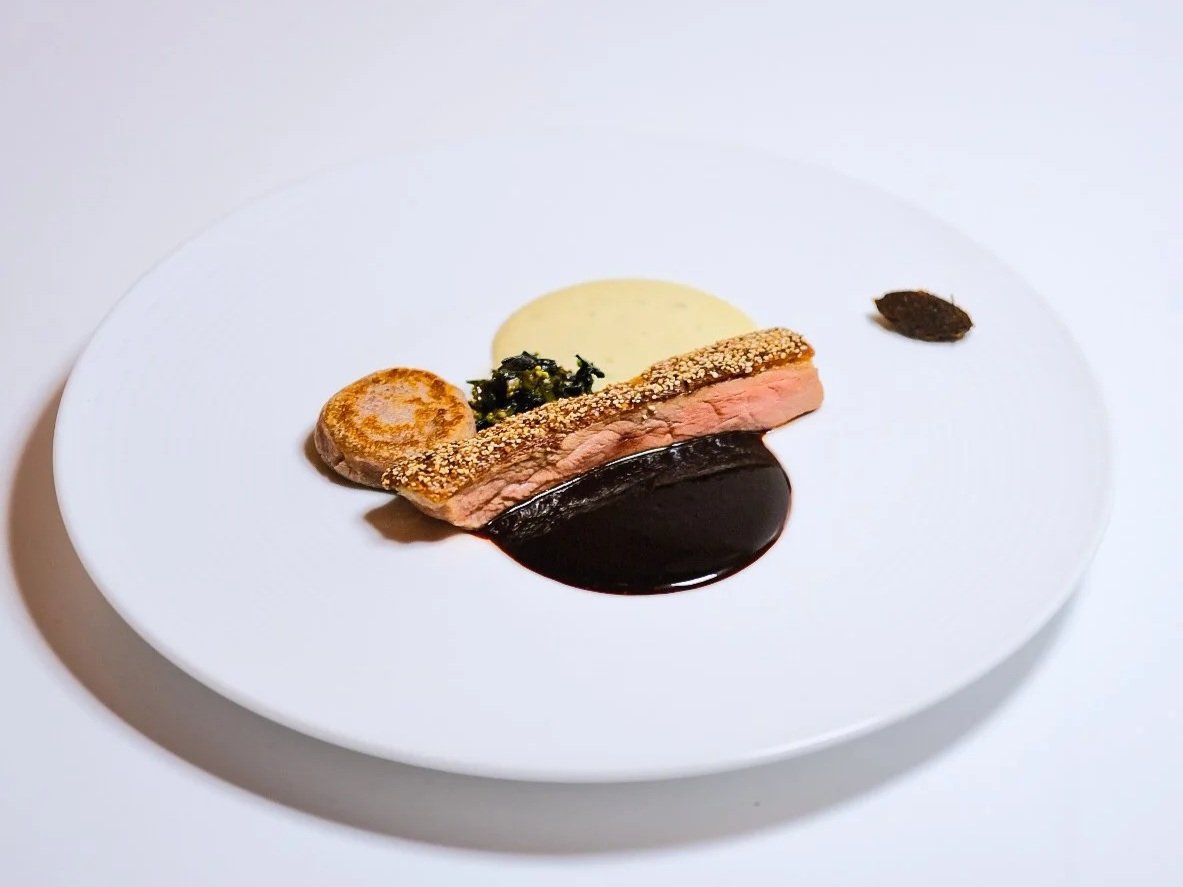
Nam Tok perhaps represents the emotional side of SAMAS most clearly. Inspired by the classic Thai dish, it takes flavors that feel deeply familiar to many Thai guests and reinterprets them through a more refined and contemporary lens. Whether prepared with duck breast or beef tenderloin, the dish balances the smokiness of toasted rice powder with the richness of brown butter, the freshness of culantro, and the subtle umami of miso bon. It reflects our philosophy of respecting traditional flavors while allowing them to evolve in unexpected ways.
At first glance, the dishes feel almost familiar. Yet the flavors unfold with depth and surprise. How does SAMAS interpret the concept of Contemporary with Modern Asian Flavors and what draws this idea?
We are interested in creating food that feels emotionally familiar while still offering something unexpected. Many of the flavors are inspired by Asian cuisines and ingredients that people already recognize, but we reinterpret them through technique, balance, texture, and presentation. Contemporary for us does not mean making food complicated. It means understanding tradition deeply enough to evolve it respectfully and creatively. Asia has incredible diversity in flavor, spice, fermentation, and culinary history, and that richness continuously inspires us.
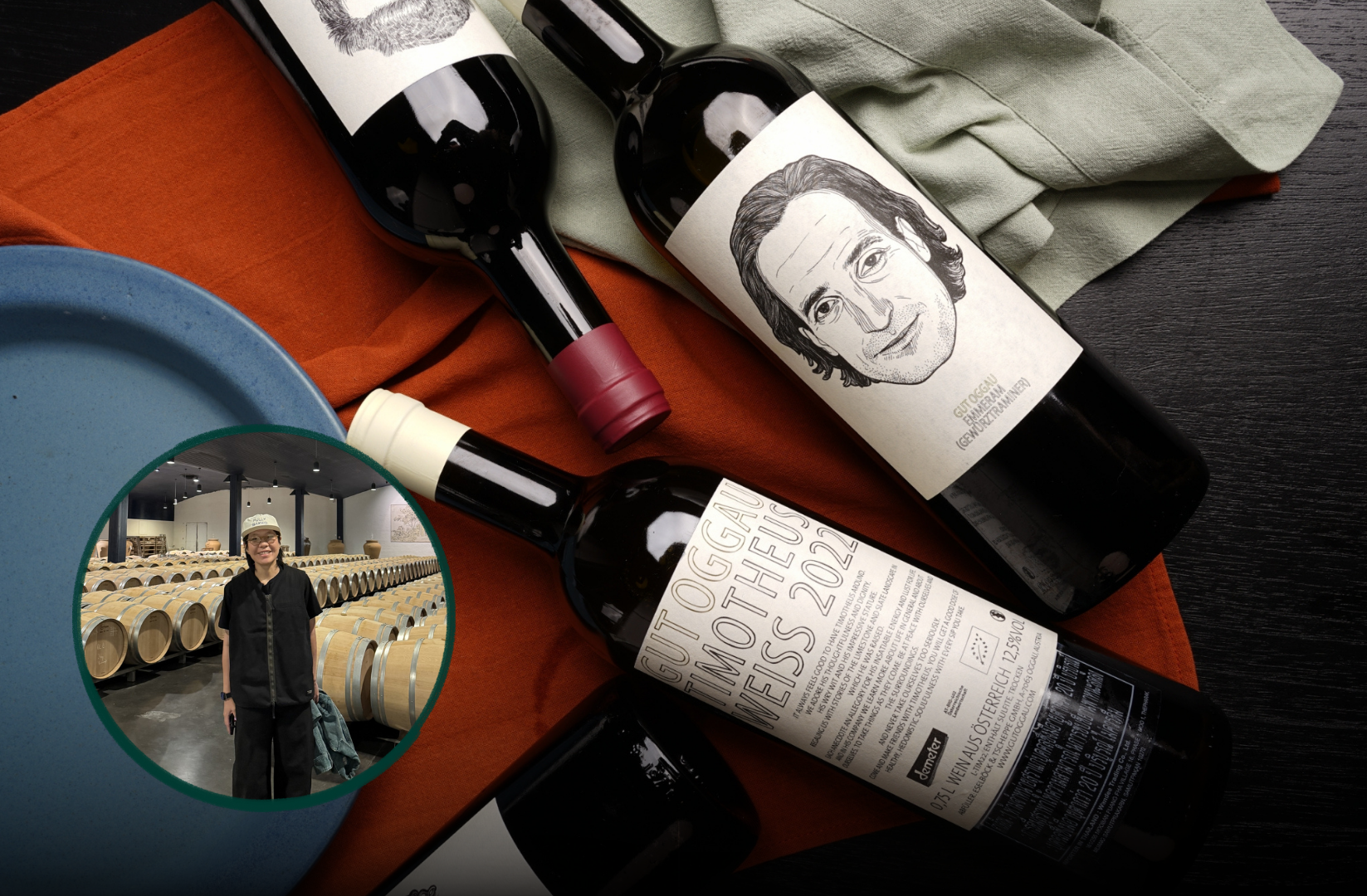
When food and wine are created in dialogue with one another, how does the restaurant choose pairing items to curate guest experiences for the meal?
The pairing process always begins with the dish itself — not only its flavor, but also its texture, intensity, temperature, and emotional tone. We look for wines that either create harmony or thoughtful contrast without overpowering the food. Because the cuisine at SAMAS is layered and expressive, the wine selection often moves beyond traditional pairing rules. Sometimes we want the wine to refresh the palate; other times we want it to deepen a particular flavor or mood within the dish. Ultimately, the goal is to create a conversation between food and wine that feels seamless and natural to the guest.
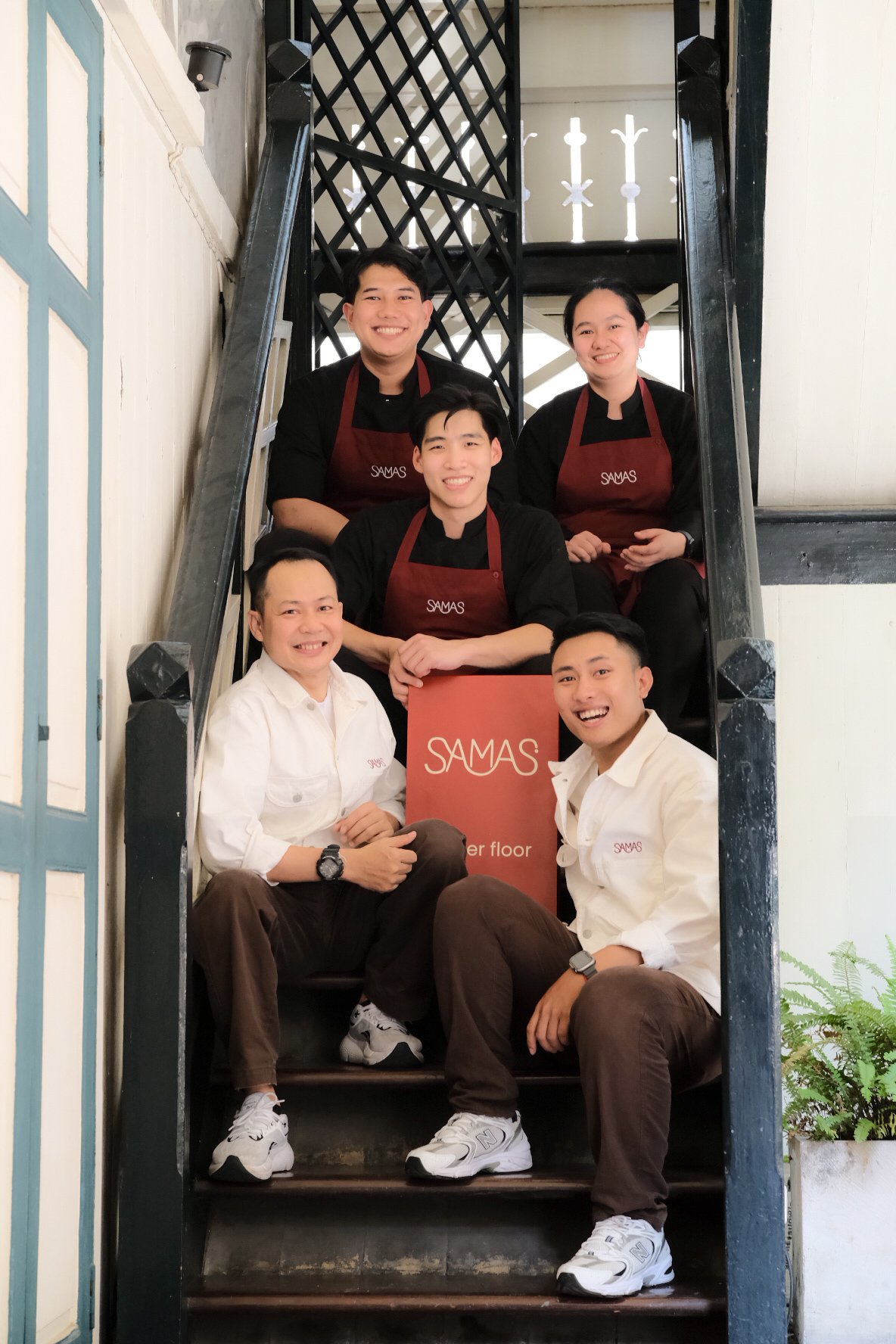
As SAMAS continues to evolve, what feeling do you hope stays with your guests long after they leave SAMAS?
More than anything, we hope guests leave feeling that the experience was sincere. Beyond the food or wine itself, we want people to remember a sense of warmth, thoughtfulness, and human connection. SAMAS is built around the idea of people coming together, and we hope that feeling stays with our guests long after the meal ends — something comforting, memorable, and quietly personal.